
Companion Plants
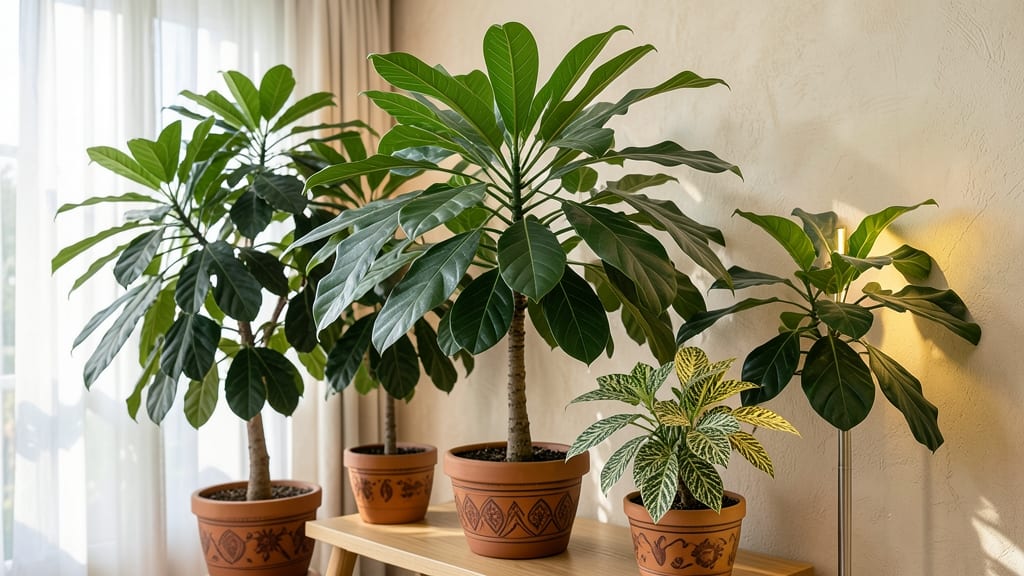
Indoor evergreen plants bring year-round greenery without needing bright windows. 🌿 I’ve turned my dim apartment corner into a thriving jungle—no sunlight required—by choosing the right species and mastering their care quirks. The secret? Matching their natural habits to your home’s conditions.
Start with snake plants, pothos, or ZZ plants—they thrive in low light and forgive occasional neglect. Water only when the top inch of soil feels dry, and use well-draining soil to prevent root rot.
Most evergreens love humidity, so mist leaves or place pots on trays with pebbles and water. These plants grow slowly but steadily, rewarding patience with glossy, resilient foliage.
By following these care basics, you’ll avoid the most common issues—yellowing leaves from overwatering or brown tips from dry air. The payoff? A lush, low-maintenance green corner that brightens any room, even in winter when natural light fades. Let’s get those plants growing strong!
Bonus: These evergreens double as natural air purifiers, making them perfect for bedrooms or offices. Group them with trailing plants like pothos for a textured, layered look that feels like a mini indoor forest. Ready to transform your space?
📚 In This Guide
- What you need
- Instructions
- Tips and common mistakes
- Wrapping up and next steps
What you need
- ● Indoor evergreen plants: Choose 1–3 low-light varieties like ZZ plants, snake plants, pothos, or cast iron plants (1 plant per 6–12 sq. ft. of space).
- ● Well-draining pots: 1–2 pots (1–2 inches larger in diameter than the plant’s root ball) with drainage holes. Terracotta or ceramic works best.
- ● High-quality potting mix: 1–2 bags of well-draining, peat-based or cactus/succulent mix (avoid garden soil).
- ● Watering can or spray bottle: 1 with a narrow spout for precise watering.
- ● Pruning shears: 1 pair (sterilized with rubbing alcohol).
- ○ Grow lights (optional but helpful): 1–2 LED full-spectrum bulbs (10W–20W) for 6–8 hours/day if natural light is limited.
- ● Plant food: 1 bottle of balanced liquid fertilizer (10-10-10 or 20-20-20) for occasional feeding.
- ● Humidity tray: 1 shallow tray + pebbles for snake plants or ferns that love moisture.
- ● Self-watering system: 1 wick-based or drip irrigation kit for hands-off care.
- ● Decorative cache pots: 1–2 aesthetic outer pots (ensure they’re not waterproof).
- ● Plant monitor: 1 soil moisture meter to avoid over/under-watering.
Step-by-Step instructions for cultivating thriving indoor evergreens
Here's how to coax vibrant, sun-independent evergreens that stay lush all year—no gardening degree required.
🪴 Step 1: Select the Right Evergreen Varieties for Low Light
Not all evergreens tolerate indoor conditions equally. For bright indirect light, choose Dracaena marginata (dragon tree) or Zamioculcas zamiifolia (ZZ plant)—both thrive with minimal sunlight. In medium light, Schefflera arboricola (umbrella plant) or Ficus elastica (rubber plant) deliver bold foliage without fuss. For low-light corners, Sansevieria trifasciata (snake plant) or Pothos (Epipremnum aureum) are nearly indestructible.
I always check a plant's native habitat first—tropical understory species adapt best to indoor conditions. Avoid pine or spruce varieties; they need outdoor winters to stay healthy. Start with one to two plants per 100 sq ft of space to prevent overcrowding, which stresses roots and attracts pests.
🌱 Step 2: Prepare Containers and Soil for Optimal Drainage
Use terracotta pots (they wick away moisture) or fabric grow bags (they allow roots to breathe). Ensure each container has at least three drainage holes—waterlogged roots are the #1 killer of indoor evergreens. I line pots with 1 inch of gravel or expanded clay pebbles at the bottom to create an air pocket and prevent soil compaction.
Fill containers with a well-draining potting mix—never garden soil. A blend of 50% peat moss, 30% perlite, and 20% orchid bark mimics the airy conditions evergreens prefer. Mix in a slow-release fertilizer (like Osmocote) at planting time for a 3-month nutrient boost. Press the soil gently but firmly; you want it loose enough for roots to explore but stable enough to support the plant.
☀️ Step 3: Position Plants Based on Light Tolerance
Low-light evergreens (snake plant, ZZ plant) thrive 6-8 feet from windows, even north-facing ones. Medium-light varieties (schefflera, dracaena) need 3-6 feet away—direct sun will scorch their leaves. High-light lovers (rubber plant, fiddle-leaf fig) should sit within 3 feet but never in harsh afternoon rays.
Rotate plants quarter-turn weekly to prevent lopsided growth. You’ll notice new leaves emerging on all sides after a month—that’s your cue the light balance is perfect. If leaves yellow or drop, your plant is getting too much indirect light or too little water. Adjust by moving it farther back or watering slightly more.
💧 Step 4: Master the Watering Schedule for Year-Round Health
Water when the top 2 inches of soil feel dry—stick your finger in to check. Overwatering causes root rot; underwatering leads to crispy edges. I use the "soak-and-dry" method: Water deeply until it runs out the drainage holes, then wait until the soil is 60% dry before watering again. Most evergreens prefer slightly dry conditions—their thick leaves store moisture naturally.
Adjust frequency by season: Reduce watering in winter (plants grow slower) and increase slightly in summer (higher humidity evaporates moisture faster). If your home has low humidity, mist leaves once weekly—but avoid wetting the crown (this invites fungal diseases). Yellowing leaves? You’re likely overwatering. Brown, crispy tips? Time to water.
✂️ Step 5: Prune and Fertilize for Long-Term Lushness
Trim yellow or damaged leaves with clean, sharp scissors to encourage new growth. Prune leggy stems back to a leaf node (the bump where leaves attach)—this redirects energy to bushier growth. I fertilize every 6 weeks during spring and summer with a balanced liquid fertilizer (10-10-10 or 20-20-20), but skip fertilizing in fall and winter—dormant plants don’t need extra nutrients.
Dust leaves monthly with a damp microfiber cloth—evergreens "breathe" through stomata on their leaves, and dust blocks their ability to photosynthesize. If you notice pests (like spider mites or mealybugs), isolate the plant and treat with neem oil spray (1 tsp neem oil + 1 quart water). Most evergreens recover quickly if caught early—just don’t let infestations spread.
Tips & tricks for perfect indoor evergreen care
Avoid these common pitfalls—and watch your indoor evergreens thrive like a pro.
Light Adaptation: If you notice new leaves emerging paler than expected, your plant isn't getting enough indirect light. Move medium-light varieties (like schefflera) closer to the window—within 3 feet—but never expose them to direct sun. For low-light spots, snake plants and ZZ plants actually thrive in corners where others would struggle. The key is observing leaf color: vibrant green means perfect light; pale or yellowing means adjust your placement.
Soil Science: The 50-30-20 mix of peat moss, perlite, and orchid bark isn't just arbitrary—it's designed to mimic tropical forest conditions. After planting, gently press the soil but don't compact it too tightly. Roots need that air space to breathe, especially in containers. I've seen beginners overwater because the soil looks "loose," but remember: evergreens prefer slightly dry conditions. Stick your finger 2 inches deep—if it feels dry, water; if it's damp, wait. This simple check prevents 90% of overwatering mistakes.
Rotation Strategy: That quarter-turn weekly rotation in Step 3 isn't just about aesthetics—it's a growth hack. Evergreens grow toward the light source, which can lead to lopsided, weak stems. After about a month, you'll notice new leaves emerging evenly around the plant. This balanced growth makes your evergreens stronger and more resilient. Pro tip: Set a phone reminder every Sunday morning to rotate your plants while you're making coffee. Consistency is key!
Fertilizer Timing: The 6-week spring/summer schedule for balanced liquid fertilizer (10-10-10) works perfectly, but here's what nobody tells you: evergreens actually prefer being slightly under-fertilized. If you see rapid leaf growth but weak stems, you're overdoing it. In fall and winter, dormant plants don't need nutrients—they're essentially in hibernation. I always reduce my winter watering by 30% and skip fertilizing entirely during these months. This seasonal adjustment prevents nutrient burn and keeps your plants healthy year-round.
Pro Tips for Indoor Evergreen Plants
- Avoid these common pitfalls—and watch your indoor evergreens thrive like a pro.
- Light Adaptation: If you notice new leaves emerging paler than expected, your plant isn't getting enough indirect light.
- Soil Science: The 50-30-20 mix of peat moss, perlite, and orchid bark isn't just arbitrary—it's designed to mimic tropical forest conditions.
Frequently asked questions
How often should I water my indoor evergreen plants?
Watering depends on the plant and your home’s humidity, but most evergreens like snake plants or ZZ plants prefer dry soil. Stick your finger 1-2 inches deep—if it’s dry, water thoroughly until it drains from the bottom. Overwatering is the #1 killer, so wait until the topsoil feels crispy before hydrating again. Pro tip: Use a pot with drainage holes!
Can I keep evergreens in low-light rooms without sunlight struggles?
Opt for light-tolerant evergreens like pothos, peperomia, or cast iron plants, which thrive in indirect light. Place them near north-facing windows or under grow lights (12-14 hours/day). Avoid south/west-facing spots—they can scorch leaves. Rotate plants weekly for even growth!
What’s the best way to troubleshoot yellow leaves?
Yellow leaves usually mean overwatering or nutrient deficiency. First, check the soil: if soggy, let it dry out. If roots smell rotten, repot in fresh soil. For yellowing from lack of nutrients, feed with a balanced liquid fertilizer (diluted to half-strength) every 4-6 weeks. Brown edges? That’s often dry air—mist leaves or use a pebble tray!
Are there pet-safe evergreen alternatives to toxic plants?
Yes! Skip sago palms or English ivy (toxic to pets) and choose parlor palms, Spider plants, or Boston ferns. These are non-toxic and just as lush. Always research before buying—ASPCA’s plant database is a lifesaver!
How do I care for evergreens in winter when the air is dry?
Winter air steals moisture fast! Group plants together to increase humidity, and mist leaves 2-3 times a week. Use a humidifier near them or place pots on a tray of pebbles with water. Avoid cold drafts from windows/AC—evergreens hate temperature swings below 60°F (15°C).
Still stuck?
Drop your specific plant type in the comments—we’re happy to help!
Wrapping up and next steps
Bringing indoor evergreen plants into your home isn’t just about aesthetics—it’s a year-round gift of freshness, color, and life, even in low-light spaces! 🌿 With the right care, these resilient plants can thrive, purify your air, and boost your mood without demanding sunlight.
Whether you’re a beginner or a seasoned plant parent, the key is consistency—watering wisely, dusting those leaves, and giving them love (not just light).
Ready to transform your space? Start small with one or two easy-care evergreens like snake plants or ZZ plants, then expand your collection as you gain confidence. Your future self (and your plants!) will thank you. Happy growing! 🌱