
Container Gardens
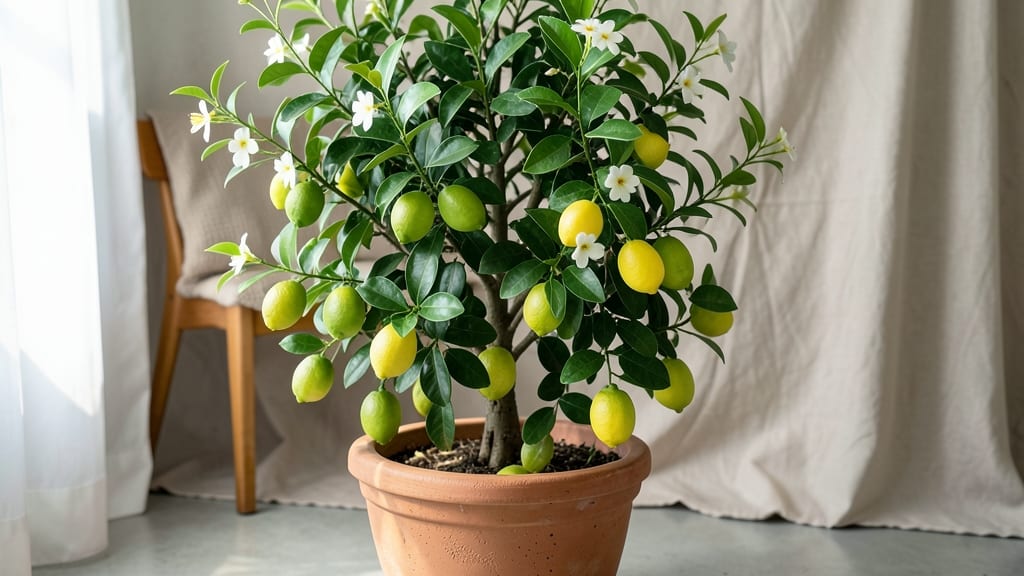
Waking up to the sharp, bright scent of a lemon tree indoor plant every morning is a small joy—no greenhouse or sunny patio required. 🌿 The key is mimicking its Mediterranean roots with bright light, consistent moisture, and a little patience (yes, even indoor trees need time to fruit).
My first attempt nearly died from overwatering, but now I’ve got a thriving Meyer lemon tree that blooms twice a year and occasionally surprises me with tiny, tart lemons.
You’ll need a 6- to 10-inch pot with drainage holes, well-draining potting mix (think cactus/succulent blend with perlite), and a grow light if your windowsill gets less than 6 hours of sunlight. Water when the top inch of soil feels dry—overwatering is the #1 killer of indoor citrus.
A humidity tray (pebbles + water) helps too, since dry indoor air mimics winter drought for the tree.
Prune in late winter to shape the tree and encourage airflow, then fertilize lightly every 2 months with citrus-specific food. Within 2-3 years, you’ll see flowers, and with luck (and a little luck), tiny lemons.
The first harvest is always a shockingly sweet victory—nothing beats biting into a homegrown lemon fresh from the kitchen counter.
Works for any sunny window, balcony, or even a basement with grow lights. The secret? Treat it like a finicky houseguest—consistent care, not coddling. Here’s how to keep it thriving year-round.
📚 In This Guide
- What you need
- Instructions
- Tips and common mistakes
- Wrapping up and next steps
What you need
- ● Lemon tree plant (Citrus × limon): Choose a healthy, disease-free 1-2 gallon potted plant (or a seedling if starting from scratch).
- ● Pot with drainage holes: A 12-16 inch diameter pot (terracotta or ceramic preferred).
- ● Well-draining potting mix: 50% cactus/succulent mix + 50% organic compost (or a pre-mixed citrus blend).
- ○ Grow lights (optional but recommended): Full-spectrum LED grow lights (12-16 hours/day, 12-18 inches above the plant).
- ● Humidity tray or pebble tray: Helps maintain 50-60% humidity (lemon trees love it!).
- ● Fertilizer: Balanced citrus fertilizer (e.g., 6-6-6 or 10-10-10 NPK ratio).
- ● Pruning shears: Sharp, clean shears for trimming dead or overgrown branches.
- ● Spray bottle: For misting leaves (lemon trees adore humidity!).
- ● Self-watering pot: Reduces overwatering risks for busy plant parents.
- ● Citrus food or micronutrient supplement: Adds extra vitamins for leaf health.
- ● Support stake or trellis: Helps guide the tree’s growth if it gets leggy.
- ● Soil moisture meter: Prevents guesswork on watering needs.
Step-by-step guide to growing a thriving indoor lemon tree
Here's how to coax a fragrant, fruit-bearing lemon tree indoors—no greenhouse required.
🌱 Step 1: Select and Prepare the Right Container
Start with a 12-16 inch diameter pot with drainage holes—lemon trees resent soggy roots. I use terra cotta because it breathes and helps regulate moisture, but any container with good drainage works. Fill the bottom with 2-3 inches of coarse gravel or perlite to create a drainage layer that prevents root rot.
Next, add a 2-inch layer of well-draining potting mix designed for citrus. Lemon trees hate compacted soil, so avoid garden soil or heavy mixes. Tap the pot gently to settle the mix without compacting it—you want it fluffy enough for roots to penetrate easily. This initial layer ensures proper airflow right from planting.
🌿 Step 2: Plant Your Lemon Tree with Proper Spacing
Remove your lemon tree from its nursery pot and gently loosen the roots if they're circling. Place the tree in the center of your container, ensuring the root flare (where roots meet the trunk) sits just above the soil line. This prevents the trunk from sitting buried, which causes rot.
Fill around the roots with the remaining potting mix, pressing lightly to eliminate air pockets. Leave a 1-inch gap between the soil surface and the pot's rim—this prevents overflow when watering. After planting, water thoroughly until water runs freely from the drainage holes. This initial deep watering helps settle the soil and eliminates air gaps.
☀️ Step 3: Position for Optimal Light and Temperature
Lemon trees need 6-8 hours of bright, indirect light daily—a south-facing window is ideal. If natural light is insufficient, supplement with a full-spectrum LED grow light positioned 6-12 inches above the plant. Keep the light on for 12-14 hours daily to mimic natural daylight cycles.
Maintain temperatures between 65-75°F during the day and 55-65°F at night. Avoid drafts, including cold windows or heating vents, which stress the plant. You'll notice leaves yellowing or dropping if temperatures dip below 50°F—this is a clear sign to adjust placement or add insulation.
💧 Step 4: Water and Fertilize for Healthy Growth
Water your lemon tree when the top 1-2 inches of soil feel dry to the touch. Stick your finger in the soil—if it's damp past your first knuckle, wait another day. Overwatering is the #1 killer of indoor lemon trees, so always check before watering. Use room-temperature water to avoid shocking the roots.
Fertilize every 4-6 weeks during spring and summer with a balanced citrus fertilizer (look for one with equal NPK ratios). Reduce fertilization in fall and winter, as growth slows. You'll see new leaves emerging within 2-3 weeks of consistent care—this is your sign the plant is thriving. Yellow leaves on older growth may signal overwatering or nutrient buildup.
✂️ Step 5: Prune and Encourage Fruit Production
Prune in late winter or early spring to shape the tree and encourage airflow. Remove any dead, diseased, or crossing branches first, then trim back overgrown limbs to maintain an open canopy. Cut just above a leaf node or outward-facing bud to promote healthy regrowth.
To encourage fruit production, pinch back new growth in early summer to redirect energy toward flowering. Lemon trees need cross-pollination to fruit, so if you have only one tree, gently shake the branches daily to simulate wind pollination. You'll see small white flowers appear in 6-12 months—these will develop into fruit if pollinated successfully.
Tips & tricks for perfect indoor lemon tree growth
These battle-tested strategies will help you avoid common pitfalls and maximize your lemon tree's potential indoors.
Container Material Matters: While terra cotta is ideal, plastic pots actually retain moisture better in dry climates. If using plastic, add an extra inch of gravel at the bottom to compensate for reduced breathability. I've seen lemon trees thrive in glazed ceramic pots too—just ensure they have drainage holes. The key is preventing soggy roots while maintaining consistent moisture levels during those critical first 2-3 weeks after planting.
Lighting Hack for Small Spaces: Position your grow light on a timer set for 12-14 hours daily to automate the process. Place a small thermometer near the plant to monitor heat output—some cheap LED bulbs can get too hot. I've had success with 6-inch grow lights for small dwarf varieties, while standard trees need the full 12-inch distance. Rotate the pot weekly to prevent one-sided growth toward the light source, which creates lopsided trees.
Seasonal Care Adjustments: During winter's shorter days, supplement with additional grow light hours if you notice leaf drop or slowed growth. Reduce watering frequency by 30% in winter months when growth naturally slows—overwatering becomes even more dangerous when roots aren't actively absorbing moisture. I've found that maintaining consistent 65-75°F daytime temperatures prevents the common winter stress that causes bud drop.
Fertilizer Timing Secret: The 4-6 week spring/summer fertilization schedule works best when you fertilize right after watering. This prevents fertilizer burn from concentrated salts in dry soil. I've had the most success with slow-release citrus pellets mixed into the top 2 inches of soil—this eliminates the risk of over-fertilizing while providing steady nutrients. Always flush the soil with water 2-3 times annually to prevent salt buildup, which causes yellowing leaves.
Pro Tips for Lemon Tree Indoor Plant
- These battle-tested strategies will help you avoid common pitfalls and maximize your lemon tree's potential indoors.
- Container Material Matters: While terra cotta is ideal, plastic pots actually retain moisture better in dry climates.
- Lighting Hack for Small Spaces: Position your grow light on a timer set for 12-14 hours daily to automate the process.
Frequently asked questions
Got questions about growing your own lemon tree indoor plant? You’re not alone! Here are answers to the most common queries—so you can enjoy fresh citrus vibes year-round, even without a sunny backyard.
How much sunlight does an indoor lemon tree really need?
While lemon trees love sunlight, they can thrive indoors with 4–6 hours of bright, indirect light daily. Place yours near a south- or west-facing window, or supplement with a grow light (12–14 hours/day) to mimic natural conditions. Yellowing leaves? It might be a sign of too little light—rotate the pot occasionally for even growth!
How long does it take for an indoor lemon tree to bear fruit?
Patience is key! A dwarf lemon tree (like Meyer lemons) may take 3–5 years to produce fruit indoors, while standard varieties can wait even longer. To speed things up, ensure it gets consistent light, proper watering, and occasional fertilization (use a citrus-specific formula). Bonus: Smaller fruits are normal—indoor trees focus on survival first!
Why are my lemon tree’s leaves turning yellow or dropping?
Yellow leaves often signal overwatering, underwatering, or nutrient deficiencies. Check the soil—it should be slightly dry on top before watering. Brown edges? Too much salt or fluoride in tap water (use filtered or distilled water instead). Dropping leaves? It might be stress from temperature shifts (keep it between 60–75°F) or sudden changes in light.
Can I grow a lemon tree from a grocery store lemon?
Sprout a lemon tree from a seed in 3 easy steps:
- Soak the seed overnight to soften the shell.
- Plant it ½-inch deep in a pot with well-draining soil.
- Keep moist and place in warm, bright light. Germination takes 2–4 weeks—but note: seed-grown trees may not produce true lemons (they’re more ornamental).
What’s the best indoor alternative if lemon trees are too tricky?
If lemons feel too finicky, try these low-maintenance citrus friends:
Plant
Why It’s Great
Calamondin Orange
Compact, fragrant, and self-pollinating—produces tiny oranges indoors!
Meyer Lemon
Hardier than standard lemons, sweeter, and faster to fruit.
Dwarf Kumquat
Edible skin, cold-tolerant, and thrives in partial shade.
All three are dwarf varieties perfect for pots and patience-free growers!
Wrapping up and next steps
Growing a lemon tree indoors is a rewarding way to bring fresh citrus fragrance and vibrant greenery into your home—no sunlight struggles required! With the right variety, container, and care tips, you can enjoy year-round lemony delights, from fragrant blooms to zesty fruits.
Whether you’re a beginner or a seasoned plant parent, this guide makes it simple to nurture your own mini orchard.
Ready to take the next step? Start with a dwarf Meyer lemon tree or explore propagation methods to kickstart your indoor citrus journey. Your future self—and your taste buds—will thank you! 🍋✨