
Container Gardens
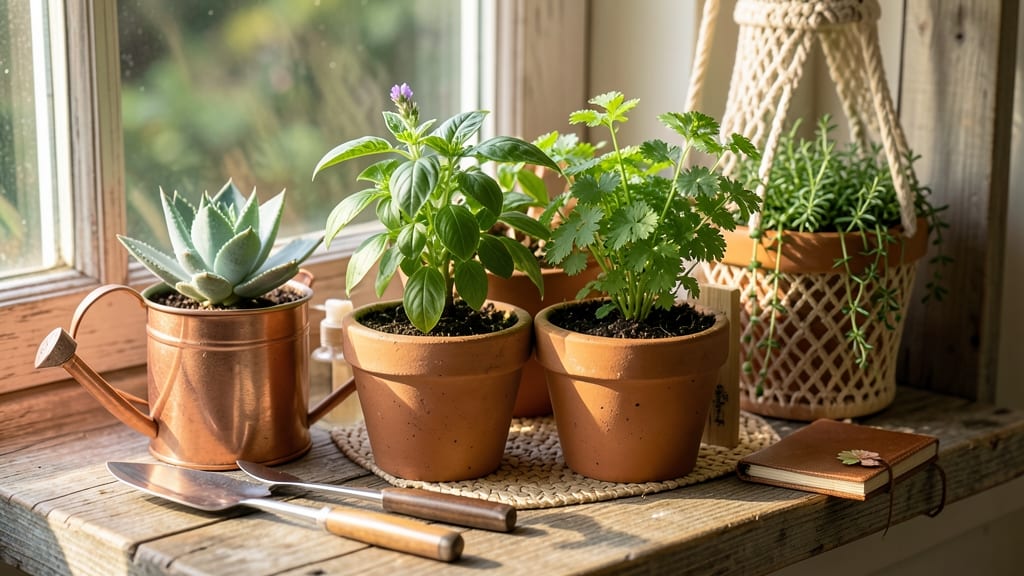
Indoor gardening activities transform blank spaces into lush, living art—no sunny windows required. 🌱 I’ve turned forgotten corners into thriving micro-gardens using just a few clever tricks, and you can too, even in the darkest apartments or smallest homes.
The key? Picking the right plants and activities that play to your space’s strengths, not its limitations.
Think beyond traditional pots: we’re talking vertical walls of herbs, self-watering terrariums that double as decor, and seed-bomb crafts that turn kids into little botanists. These projects require minimal space but deliver maximum engagement—whether you’re reviving wilted grocery scraps or creating a classroom-friendly plant lab.
The best part? Every activity teaches something new about how plants grow, even without direct sunlight.
By the end, you’ll have a collection of hands-on projects that keep your green thumb busy year-round—from growing microgreens on a kitchen counter to crafting a mini desert garden in a jar.
The results aren’t just pretty; they’re interactive, educational, and uniquely yours. Plus, you’ll learn which activities suit your lifestyle best, whether you’re a busy parent or a solo plant enthusiast.
No fancy tools or greenhouses needed—just curiosity and a willingness to experiment. Let’s get your indoor space buzzing with life, one creative project at a time. The hardest part? Deciding which to try first!
📚 In This Guide
- What you need
- Instructions
- Tips and common mistakes
- Wrapping up and next steps
What you need
- ● Containers: 3–5 medium-sized pots (6–12 inches in diameter) with drainage holes. Options: ceramic, plastic, or fabric grow bags.
- ● Growing Medium: High-quality potting mix (avoid garden soil—it compacts!). Quantity: ~1–2 gallons per pot.
- ● Seeds or Seedlings: Sunlight-averse plants: snake plants, pothos, spider plants, or herbs (basil, mint, parsley).
- ● Or, pre-sprouted seedlings from a nursery.
- ○ Grow Lights: 1–2 LED grow lights (full-spectrum, 10,000–20,000K color temp). Optional: Smart timers for 12–16 hours/day.
- ● Watering Can or Spray Bottle: With a gentle spray nozzle to avoid overwatering.
- ● Humidity Tray: A shallow tray + pebbles (to retain moisture for tropical plants).
- ● Fertilizer: Balanced liquid fertilizer (e.g., 10-10-10) or slow-release granules.
- ● Soil moisture meter (to avoid guesswork!).
- ● Self-watering planters (for busy gardeners!).
- ● Decorative trays or stands (to elevate style + airflow).
- ● Plant labels (mark varieties + watering needs).
- ● Pruning shears (for trimming leggy growth).
Step-by-Step indoor gardening activities for year-round blooms
Transform your space into a lush indoor garden—no sunlight required.
🌱 Step 1: Select Low-Light Plants for Immediate Results
Start with hardy varieties like snake plants, ZZ plants, or pothos—these thrive in dim conditions and require minimal care. I always check the plant’s natural habitat first: tropical understory species adapt best to indoor shade. Avoid sun-lovers like succulents or citrus; they’ll yellow and drop leaves within weeks.
Place plants near north-facing windows for the faintest light, but don’t stress if that’s not possible. LED grow lights on a 12-hour timer can compensate entirely. Watch for new growth patterns: healthy leaves emerge glossy and upright, while struggling plants develop brown tips or limp stems.
💧 Step 2: Master the Watering Schedule for Indoor Conditions
Indoor air is drier than outdoors, so water only when the top 2 inches of soil feel completely dry. Stick your finger in—if it comes out clean, it’s time. Overwatering is the fastest way to kill houseplants; I’ve lost three ferns this way. Use room-temperature water to avoid shocking roots, and always water at the base, never from above.
Group plants together to create a microclimate—humidity rises naturally, reducing the need for daily misting. Place a tray of pebbles and water beneath pots for extra moisture, but empty it after 24 hours to prevent root rot. You’ll notice leaves curling or wilting as a warning sign before it’s too late.
☀️ Step 3: Supplement Light with Grow Lights Strategically
Position grow lights 6-12 inches above plants, depending on bulb strength. A 10-watt LED panel works for 2-3 plants; adjust height weekly as they grow. I rotate my lights every few days to prevent uneven growth—you’ll see leggy stems if one side gets more exposure. Set a timer for 12-14 hours daily to mimic natural daylight cycles.
Start with 6 hours and gradually increase to full exposure over a week. Monitor leaf color: deep green means adequate light, while pale yellow indicates insufficient intensity. If plants stretch toward the light, they’re starving for photons—move the bulb closer or upgrade to a higher-wattage model.
🪴 Step 4: Rotate and Prune for Bushier, Healthier Growth
Turn pots a quarter turn weekly so all sides receive even light. This prevents lopsided growth and encourages compact, fuller plants. Trim leggy stems just above a leaf node with clean scissors—this redirects energy to branching out. I always prune in the morning when plants are hydrated and ready to recover.
Remove yellow or brown leaves immediately to prevent disease spread. Repurpose cuttings in water to propagate new plants—pothos and philodendrons root easily this way. Watch for new shoots emerging from nodes; this confirms healthy regrowth. Fertilize lightly every 4-6 weeks with a balanced liquid feed to support this active growth phase.
⏰ Step 5: Maintain Consistent Care Through Seasonal Shifts
Indoor environments stay stable, but humidity drops in winter. Increase watering slightly if leaves crisp at the edges, but never let soil stay soggy. Dust leaves monthly with a damp cloth—blocked stomata prevent gas exchange and weaken plants. I set a calendar reminder to clean mine every 30 days without fail.
Adjust light exposure if daylight hours shrink in winter. Extend grow light use to 14 hours temporarily to compensate. Watch for pests like spider mites in dry air; treat infestations immediately with neem oil. A thriving indoor garden requires patience, but the payoff—lush, blooming plants year-round—makes it worth every effort.
Tips & tricks for perfect indoor gardening activities
Here's what nobody tells you about keeping your indoor garden thriving without sunlight—these secrets make all the difference.
Lighting Strategy: The 12-14 hour grow light schedule isn't just about duration—it's about consistency. I use a simple hack: set your timer to turn lights on at 7 AM and off at 7 PM daily. This mimics natural daylight cycles perfectly and prevents the "leggy plant syndrome" where stems stretch toward the light source. For plants in deeper shade, consider adding a second 6-hour session in the evening to compensate for low natural light during winter months.
Watering Wisdom: That 2-inch soil dryness rule is your best friend, but here's the catch: different plants have different thirst levels. Snake plants can go 3-4 weeks between waterings, while pothos prefer their top inch dry every 7-10 days. I keep a small notebook by my plant shelf to track each variety's watering schedule—this prevents both underwatering and the silent killer of overwatering.
Pruning Precision: When you're trimming those leggy stems in Step 4, always cut just above a leaf node where new growth can emerge. I've found that using clean, sharp scissors dipped in rubbing alcohol between cuts prevents bacterial spread. For propagation, I place cuttings in water with just the bottom node submerged—this maximizes root development while keeping the leaves dry and healthy. Watch for tiny white roots appearing in about 3-4 weeks.
Seasonal Adjustments: The 14-hour light extension in winter is crucial, but don't forget to adjust your microclimate strategy too. Grouping plants creates humidity, but during winter heating seasons, you might need to add a small humidifier nearby. I've seen dramatic improvements in leaf crispiness by placing a tray of water with pebbles near my plant collection—just remember to empty it after 24 hours to prevent root rot.
Pro Tips for Indoor Gardening Activities
- Here's what nobody tells you about keeping your indoor garden thriving without sunlight—these secrets make all the difference.
- Lighting Strategy: The 12-14 hour grow light schedule isn't just about duration—it's about consistency.
- Watering Wisdom: That 2-inch soil dryness rule is your best friend, but here's the catch: different plants have different thirst levels.
Frequently asked questions
Got questions about indoor gardening? You’re not alone!
Here are answers to the most common queries to help you grow confidently—even without much sunlight.
What are the easiest indoor plants for beginners?
Start with low-maintenance plants like snake plants, pothos, or ZZ plants. These thrive in low light and need minimal watering. Herbs like basil or mint are also great for beginners—they’re forgiving and useful in the kitchen! Pro tip: Avoid fussy plants like ferns or orchids until you’ve mastered basics.
How often should I water my indoor plants?
Watering depends on the plant and environment. Most indoor plants prefer dry soil—stick your finger 1-2 inches deep; if it’s dry, water lightly. Overwatering is the #1 killer, so always use pots with drainage holes and empty saucers after watering. Rule of thumb: Less is more! Adjust based on humidity (drier air = more frequent watering).
Can I grow vegetables indoors without sunlight?
Yes! Use grow lights (LED or fluorescent) for 12-16 hours daily to grow leafy greens like lettuce, spinach, or microgreens. Compact veggies like cherry tomatoes or peppers need stronger lights. Alternative: Try hydroponics or aeroponics for faster growth with less space. Bonus: Herbs like cilantro and parsley grow well in windowsills with indirect light.
How do I keep pests away from my indoor plants?
Pests like spider mites or fungus gnats love indoor gardens. Prevent them with:
- Inspect new plants before bringing them inside.
- Wipe leaves with neem oil or soapy water monthly.
- Avoid overwatering—damp soil attracts gnats.
- Use sticky traps near plants to catch flying pests.
What’s the best way to arrange indoor plants for airflow?
Good airflow prevents mold and pests. Do this:
- Space plants 2-3 inches apart to allow circulation.
- Avoid crowding near walls—use shelves or hanging planters.
- Rotate plants weekly so all sides get light.
- Use a small fan on low setting (24/7) to mimic outdoor breezes.
Wrapping up and next steps
Indoor gardening is more than just a hobby—it’s a rewarding way to bring life and freshness into your space, no matter the season or sunlight. From growing herbs on your windowsill to cultivating lush container gardens with artificial light, these activities prove that green thumbs thrive indoors too.
Start small, experiment with what excites you, and watch your confidence—and plants—grow!
🌱 Your Next Step: Plant Your First Seed Today!
Ready to dive in? Pick one plant from this guide, gather your supplies, and begin your indoor gardening journey. Whether it’s a fragrant basil plant or a vibrant succulent, every expert started with their first leaf. Happy growing! 🌿