
Trees
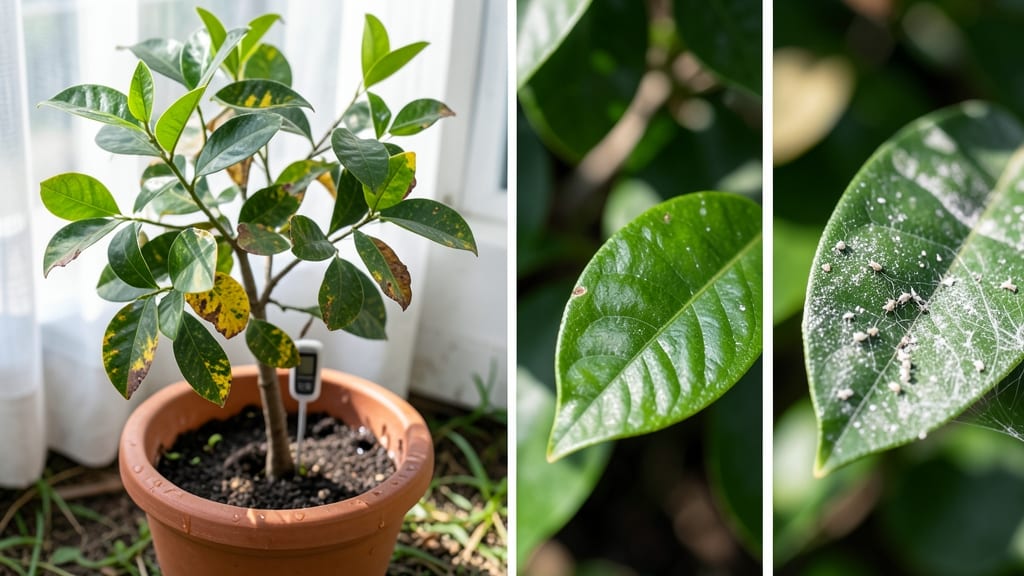
Your indoor lemon tree losing leaves isn’t a death sentence—it’s a cry for help. 🌿 The good news? Most cases come down to simple fixes like adjusting water, light, or humidity. I’ve nursed back three lemon trees from total leaf drop, and the solutions are easier than you’d think.
First, check the soil: if it’s soggy, you’re overwatering; if it’s bone-dry, you’re underwatering. Lemon trees hate wet feet but also need consistent moisture—think of it like a sponge that shouldn’t stay dripping wet.
Pests like spider mites or scale can also trigger leaf loss, so inspect the undersides of leaves for tiny webs or sticky residue.
The fix often starts with a 180-degree care adjustment: move the tree to brighter light (but no direct sun), trim dead branches, and mist the leaves daily. Within 2-4 weeks, you’ll see fresh green growth pushing through—proof the tree’s just waiting for the right conditions.
Prevention is simple: water when the top inch of soil feels dry, keep humidity high (a pebble tray helps), and fertilize lightly every 4-6 weeks in growing season. Your lemon tree will reward you with glossy foliage and sweet citrus in no time.
Root Causes Behind Leaf Drop
Understanding why your indoor lemon tree is shedding leaves starts with identifying the stress triggers it faces. Unlike outdoor citrus trees, indoor varieties like Citrus limon (lemon trees) are sensitive to abrupt changes in their environment.
Below, we break down the most common culprits—backed by science—and explain how they disrupt your tree’s natural processes.
Lemon trees thrive in well-draining soil with a slightly acidic to neutral pH (6.0–7.0). When roots sit in soggy soil for too long, they suffocate due to lack of oxygen, leading to root rot (Phytophthora or Pythium fungi).
This disrupts the tree’s ability to absorb water and nutrients, causing leaves to yellow (chlorosis) and drop prematurely.
Key signs:
- Soil smells sour or moldy
- Wilting despite wet soil
- Roots appear mushy or black when checked
Why it happens:
- Excess moisture triggers anaerobic bacteria, which break down root cells.
- Compacted or clay-heavy soil prevents water from draining, trapping roots in a waterlogged state.
- Overpotting without drainage holes forces roots to compete for oxygen in stagnant water.
While overwatering is a common killer, chronic underwatering is just as damaging. Lemon trees store water in their thick stems and leaves, but when soil dries out completely, the tree shuts down photosynthesis to conserve energy.
This leads to leaf scorch (brown, crispy edges) and eventual drop-off as the tree prioritizes survival over foliage.
Key signs:
- Soil pulls away from the pot edges
- Leaves feel dry, papery, or curl upward
- New growth appears stunted or yellow
Why it happens:
- Inconsistent watering (e.g., skipping weeks) causes hydraulic failure—roots can’t pull up enough water to meet demand.
- Small pots dry out faster, especially in dry indoor air (common with forced-air heating/AC).
- Non-porous containers (like glazed pots) trap moisture unevenly, creating dry pockets.
Lemon trees are native to Mediterranean climates, where temperatures hover between 60–85°F (15–30°C) and humidity stays moderate (40–60%). Sudden shifts—like drafts, cold windows, or blasting heat—disrupt cellular respiration, forcing the tree to shed leaves as a survival mechanism.
Key signs:
- Leaves drop near windows, vents, or doors
- New growth appears bleached or sunburned (if near hot windows)
- Brown leaf tips (common in dry, heated air)
Why it happens:
- Cold drafts (below 50°F/10°C) cause physiological drought—roots can’t absorb water efficiently.
- Hot, dry air (from heaters or AC) increases transpiration (water loss through leaves) faster than roots can replace it.
- Fluctuating temps (e.g., nighttime drops) confuse the tree’s circadian rhythms, mimicking seasonal leaf drop.
Lemon trees are heavy feeders, requiring a balance of nitrogen (N), phosphorus (P), and potassium (K). Too little or too much of any nutrient throws off their metabolic processes, leading to leaf loss.
| Deficiency | Symptoms | Cause |
|---|---|---|
| Nitrogen (N) | Pale yellow leaves (older first) | Poor soil or overwatering dilutes nutrients |
| Magnesium (Mg) | Yellow interveinal chlorosis (veins stay green) | Compacted soil or acidic pH |
| Potassium (K) | Brown leaf edges or spotting | Underwatering or poor drainage |
| Iron (Fe) | Yellow new leaves (youngest first) | Alkaline soil (pH >7.0) locks out iron |
| Overfertilization | Leaf burn (brown crispy tips) | Salt buildup from excess fertilizer |
Why it happens:
- Improper pH (above 7.0) makes micronutrients like iron and manganese unavailable.
- Salt buildup (from tap water or fertilizer) osmotically stresses roots, preventing nutrient uptake.
- Sudden fertilizer spikes can burn roots, halting nutrient absorption overnight.
Hidden sap-sucking pests (like spider mites, scale, or aphids) and fungal infections (e.g., root rot or anthracnose) weaken your lemon tree by disrupting its vascular system. Pests inject toxins or block stomata (leaf pores), while diseases clog xylem vessels, cutting off water and nutrient flow.
Common pests & their damage:
- Spider mites 🕷️: Tiny yellow/red dots on undersides of leaves → stippling (white freckles) → leaf drop.
- Scale insects 🐛: Sticky residue (honeydew) → sooty mold (black fungus) → weakened growth.
- Root rot fungi 🍄: Mushy roots → wilting even when watered → sudden defoliation.
Why it happens:
- Dry air (from indoor heating) weakens leaves, making them prime targets for mites.
- Overwatering creates ideal conditions for fungal spores to germinate.
- Stressed trees (from other issues) emit more sugars, attracting pests.
Even if your lemon tree is healthy, disturbing its roots during repotting can trigger leaf drop. The tree’s phytohormones (like ethylene) spike in response to stress, accelerating senescence (natural leaf death).
Key signs:
- Leaves drop within 1–2 weeks of repotting
- New growth stalls for 4–6 weeks
- Wilting despite proper care post-transplant
Why it happens:
- Root pruning (cutting roots during repotting) reduces water/nutrient uptake temporarily.
- Compacted soil in a new pot restricts root expansion, causing hydraulic stress.
- Temperature/humidity changes during the move disrupt photosynthesis.
Revive Your Lemon Tree Now
Your indoor lemon tree’s leaf loss doesn’t have to be permanent—with the right care, you can nurse it back to health and keep those glossy green leaves thriving. Below are targeted fixes for the most common causes, along with prevention tips to avoid future stress.
Signs: Yellowing leaves, mushy stems, or roots smelling foul.
How to Fix It: 🔥 Stop watering immediately until the top 1–2 inches of soil are dry. 🍳 Check the pot’s drainage—if it has no holes, repot into a container with drainage holes. 👨🍳 Repot in fresh, well-draining soil (a mix of potting soil, perlite, and sand works well). 🥘 Adjust your watering routine—water only when the topsoil is dry (usually every 7–10 days in winter, more in summer). ⏰ Use a moisture meter to avoid guesswork.
Prevention Tip: 💡 Never let your lemon tree sit in saucers of water—empty excess after watering!
Signs: Crispy, brown leaf edges or leaves falling off quickly.
How to Fix It: 💧 Give your tree a deep drink—water thoroughly until it drains from the bottom. 🌡️ Mist the leaves (especially in dry climates) to boost humidity. 🎯 Move it to a brighter spot—lemon trees need 6+ hours of sunlight daily (south or west windows are ideal). ✨ Group plants together to create a microclimate with higher humidity.
Prevention Tip: 🔥 Stick your finger in the soil—if it’s bone-dry below the top inch, it’s time to water!
Signs: Sudden leaf drop, especially near drafts or heat sources.
How to Fix It: 🏡 Keep it away from AC vents, heaters, or cold windows (ideal temp: 60–75°F). 🌬️ Avoid placing near doors or windows that open frequently—drafts stress citrus trees. 💦 Use a humidifier or place the pot on a pebble tray with water to increase moisture. 🍃 Wipe leaves with a damp cloth to prevent dust buildup (which worsens stress).
Prevention Tip: 🌡️ Citrus trees hate sudden changes—acclimate them slowly if moving indoors/outdoors!
Signs: Black spots, moldy growth, or leaves turning brown and slimy.
How to Fix It: 🧼 Prune affected leaves immediately with sterilized scissors (dip in rubbing alcohol). 🍄 Spray with neem oil or copper fungicide (follow label instructions). 🌿 Improve airflow by spacing plants apart and avoiding overcrowding. 💧 Water at the base (not overhead) to keep leaves dry.
Prevention Tip: 🎯 Fungus thrives in wet conditions—let leaves dry between waterings!
Signs: Pale yellow leaves (nitrogen deficiency), stunted growth, or leaf burn (excess salt).
How to Fix It: 📊 Flush the soil with water to remove excess salts (let water run through for 10+ minutes). 💪 Fertilize lightly with a balanced citrus fertilizer (10-10-10 or 8-3-9) every 4–6 weeks in spring/summer. 🥗 Avoid fertilizing in winter—lemon trees rest then and don’t need extra nutrients. 🍎 Check pH levels—citrus prefers slightly acidic soil (6.0–7.0).
Prevention Tip: 🔥 More fertilizer ≠ better—overfeeding burns roots faster than leaves fall!
Final Pro Tip: 🌟 If your tree is severely stressed, trim back dead leaves to redirect energy to new growth—but never cut more than ⅓ at once! With these fixes, your lemon tree should bounce back in 4–6 weeks.
Keep an eye on its progress and adjust care as needed!
Frequently asked questions
Why are my indoor lemon tree leaves turning yellow before falling?
Yellowing leaves before dropping usually signal nutrient deficiencies or overwatering. Check the soil pH—if it's above 7.0, iron and manganese become unavailable, causing yellowing. For deficiency, use a citrus-specific fertilizer with micronutrients. If the soil stays soggy, reduce watering to every 7-10 days and ensure proper drainage.
Can I save my lemon tree if it's already lost most of its leaves?
Yes! With immediate action, your tree can regrow leaves in 4-6 weeks. Start by trimming dead branches (never more than ⅓ of the foliage) to redirect energy. Move it to bright indirect light, increase humidity with a pebble tray, and water only when the top 1-2 inches of soil are dry. Avoid fertilizing until new growth appears.
How do I know if my lemon tree's leaf drop is from pests or disease?
Pests like spider mites leave tiny webs or stippling (white dots) on undersides of leaves, while fungal issues show as black spots or moldy growth. Inspect leaves with a magnifying glass—pests create sticky residue (honeydew). Treat mites with neem oil; for fungus, prune affected areas and improve airflow. Both thrive in dry air or overwatered soil.
Is it normal for my lemon tree to drop leaves in winter?
Mild leaf drop in winter is normal due to lower light levels and reduced growth. However, excessive shedding suggests stress from dry indoor air or temperature fluctuations. Keep humidity above 40% with a humidifier, maintain 60-75°F temps, and reduce watering to every 2-3 weeks. Avoid fertilizing during dormancy.
How often should I repot my lemon tree to prevent leaf loss?
Repot every 2-3 years or when roots circle the pot. Choose a container just 2 inches larger in diameter with drainage holes. Use fresh, well-draining soil and water lightly after repotting. Avoid disturbing roots—gently loosen any circling roots before placing in new soil. Leaf drop may occur for 1-2 weeks post-repotting as the tree adjusts.