
Pruning
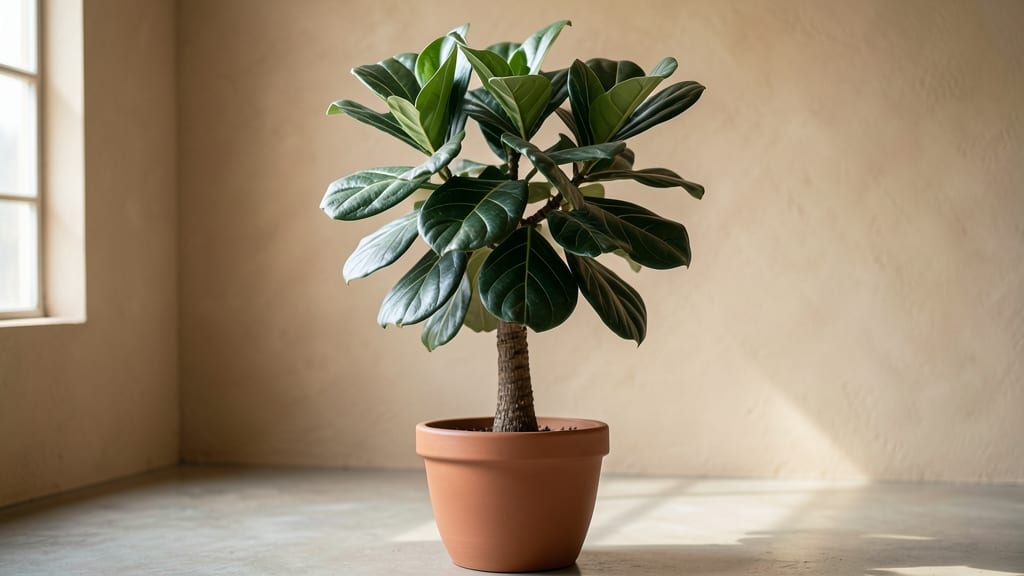
Your indoor live ficus tree doesn’t have to be a high-maintenance diva—it just needs the right pruning rhythm. 🌿 After years of trial and error (and a few sad leaf drops), I’ve cracked the code for keeping these glossy-leaved giants thriving year-round without sacrificing their natural shape.
The secret? Pruning at the right time and in the right way—something most care guides gloss over.
Ficus trees reward patience, but they demand consistency. You’ll need sharp pruners, a clean workspace, and a clear goal: whether that’s encouraging bushier growth, controlling height, or shaping it to fit your space. The key is working with the plant’s natural growth patterns, not against them.
Most people over-prune or prune at the wrong time, which stresses the tree and triggers leaf drop—something you’ll avoid with these targeted techniques.
By the end of this, your ficus will have fuller branches, shinier leaves, and a stronger structure that supports more growth. You’ll also spot early signs of stress before they become problems, like yellowing leaves or slow growth.
The best part? These methods work for all ficus varieties—from the classic Ficus benjamina to the bold Ficus lyrata—so you can apply them no matter what type you’re growing.
We’ll cover everything from when to prune (hint: it’s not spring) to how to style your tree for maximum impact in your home.
Whether you’re dealing with a leggy specimen or just want to keep it looking its best, these pruning secrets will transform your ficus into a lush, year-round centerpiece that actually thrives indoors.
📚 In This Guide
- What you need
- Instructions
- Tips and common mistakes
- Wrapping up and next steps
What you need
- ● Live ficus tree – Choose a healthy Ficus elastica (Rubber Plant) or Ficus benjamina (Weeping Fig) in a size that fits your space.
- ● Pruning shears – Bypass pruners (sharp, clean, and 5-7 inches long) for clean cuts.
- ● Rubbing alcohol (70% or higher) – 1 small bottle to sterilize tools before/after pruning.
- ○ Glove – 1 pair of gardening gloves (optional but recommended for latex-sensitive skin).
- ● Well-draining potting mix – 1 bag of peat-based or cactus/succulent mix (for repotting if needed).
- ● Pot with drainage holes – 1 container 1-2 inches larger than the current pot (if repotting).
- ● Watering can or spray bottle – For post-pruning hydration.
- ● Rooting hormone – Speeds up propagation if you’re growing cuttings.
- ● Sealing wax or beeswax – To coat cut ends and prevent sap loss.
- ● Plant food (balanced fertilizer) – 1 bottle (e.g., 10-10-10 or 20-20-20) for post-pruning nourishment.
- ● Decorative pot or cachepot – For a stylish upgrade after repotting.
Step-by-step guide to pruning your indoor live ficus tree
Here's how I keep my ficus looking full and healthy year-round—no green thumb required.
✂️ Step 1: Choose the Right Time to Prune
Spring is the best time to prune your ficus, just as new growth begins. You'll know it's ready when you see fresh, bright green leaves emerging along the stems. Avoid pruning in winter—the tree is dormant and won't respond well. If you must prune outside of spring, do it in early summer when growth is still active.
Never prune when the tree is stressed—like if it's been recently repotted or moved. Wait at least 4-6 weeks after any major change before touching those shears. The goal is to encourage bushier growth, not shock the plant into decline.
🌿 Step 2: Identify and Remove Dead or Yellowing Branches
Start by examining your ficus for any branches that are brown, crispy, or completely devoid of leaves. These are dead and need immediate removal. Use clean, sharp pruning shears to make a clean cut just above a leaf node or bud. This ensures the tree can heal properly and new growth will sprout from the right spot.
Next, look for yellowing leaves that haven't fallen on their own. These often indicate overwatering or poor drainage. Snip these off at the base of the stem. If you see any leaves with brown spots or holes, remove those too—they could signal pests or disease. Always disinfect your shears with rubbing alcohol between cuts to prevent spreading anything unwanted.
✂️ Step 3: Shape the Tree for Fullness and Balance
Step back and look at your ficus from all sides. You're aiming for a naturally balanced shape, not a perfectly symmetrical topiary. Focus on removing branches that are growing inward or crossing over others—these compete for light and air circulation. Cut these back to just above a healthy bud or leaf node.
To encourage bushier growth, trim back the longest stems by about one-third. This might seem drastic, but it stimulates branching. Look for the point where the stem is about ⅓ the length of the longest branch, then make your cut there. You'll see new shoots forming within a few weeks—this is your tree filling out beautifully.
💧 Step 4: Care for Your Ficus After Pruning
After pruning, give your ficus a good drink of water. The fresh cuts will need moisture to heal properly, and the tree will be using energy to recover from the trimming. Water until you see excess moisture draining from the bottom of the pot, then empty the saucer to prevent root rot.
Place your ficus in bright, indirect light for the first week after pruning. Avoid direct sunlight, which can stress the new cuts. If your home tends to be dry, consider using a humidifier nearby or misting the leaves lightly. You'll notice new growth within 4-6 weeks—this is your reward for a job well done.
🌱 Step 5: Use Pruned Cuttings to Propagate New Plants
Don't throw away those pruned branches! Ficus trees root easily from cuttings. Choose healthy stems that are about 4-6 inches long with at least one leaf node. Remove the lower leaves, leaving just a few at the top. Dip the cut end in rooting hormone powder to encourage root growth.
Place the cutting in a small pot with moist potting mix, keeping it in bright, indirect light. Mist the cutting occasionally to maintain humidity. In about 4-6 weeks, you'll see new roots forming. Once the cutting has rooted and shows new growth, it's ready to be potted up as a new ficus tree. This is a great way to multiply your plants without spending a dime!
Tips & tricks for perfect indoor ficus tree pruning
Here's what nobody tells you about keeping your ficus lush and thriving after pruning.
Timing Matters: Spring is your golden window for pruning, but don't stress if you miss it. Early summer works too, as long as you see fresh green growth emerging. I've pruned my ficus in late spring and still seen new shoots appear within 4-6 weeks. The key is avoiding winter—your tree's dormant period when it's least responsive. If you must prune outside these seasons, wait for new leaves to appear as your signal.
Clean Cuts Are Everything: Always use clean, sharp pruning shears—dull blades crush stems instead of making clean cuts. I disinfect my shears with rubbing alcohol between cuts to prevent spreading any hidden pests or diseases. For best results, cut just above a leaf node or bud. This ensures the tree can heal properly and new growth will sprout from the right spot. You'll notice the difference in how quickly your ficus recovers and starts producing new leaves.
Encourage Bushier Growth: When shaping your tree, focus on removing the longest stems by about one-third. This might seem drastic, but it's what stimulates branching. Look for the point where the stem is roughly one-third the length of the longest branch—this is where you should make your cut. Within 4-6 weeks, you'll see new shoots forming, and your tree will start filling out beautifully. It's like giving your ficus a wake-up call to grow more branches!
Propagation Payoff: Don't toss those pruned branches! Ficus trees root easily from cuttings. Choose healthy stems about 4-6 inches long with at least one leaf node. Remove the lower leaves, leaving just a few at the top, and dip the cut end in rooting hormone powder. Place the cutting in moist potting mix and keep it in bright, indirect light. Within 4-6 weeks, you'll see new roots forming, and you'll have a brand-new ficus tree to add to your collection—all for free!
Pro Tips for Indoor Live Ficus Tree
- Here's what nobody tells you about keeping your ficus lush and thriving after pruning.
- Timing Matters: Spring is your golden window for pruning, but don't stress if you miss it.
- Clean Cuts Are Everything: Always use clean, sharp pruning shears—dull blades crush stems instead of making clean cuts.
Frequently asked questions
Got questions about keeping your indoor live ficus tree thriving year-round? You’re not alone! Here are answers to the most common queries—from pruning basics to troubleshooting—so you can enjoy lush, vibrant foliage without the guesswork.
How often should I prune my ficus tree?
Prune your ficus 2-3 times a year, ideally in spring and early summer, when it’s actively growing. Light trims (removing yellowed or leggy branches) can happen year-round, but avoid heavy pruning in fall or winter—it stresses the tree. Pro tip: Use clean, sharp shears to prevent disease!
Can I propagate my ficus from pruned cuttings?
Ficus cuttings root easily in water or soil. After pruning, dip the cut end in rooting hormone (optional but helpful) and place in water or moist potting mix. Keep in bright, indirect light and change the water every 3–5 days. Roots should appear in 4–6 weeks.
Why are my ficus leaves dropping?
Leaf drop is often stress-related! Check for overwatering (soggy soil), underwatering (dry, crispy leaves), or sudden temperature/draft changes. Ficus also shed leaves when adjusting to a new environment. Fix it: Water only when the top 1–2 inches of soil are dry and place near consistent light.
What’s the best light for an indoor ficus?
Ficus trees thrive in bright, indirect light (e.g., near east or north windows). Avoid harsh direct sun, which can scorch leaves, or dim corners, which cause leggy growth. If natural light is limited, supplement with a grow light 12–14 hours daily.
How do I revive a ficus with brown tips?
Brown tips usually mean low humidity or fluoride buildup from tap water. Try this: Mist leaves daily, place a humidifier nearby, or use filtered or distilled water. Trim the brown tips with clean shears and avoid over-fertilizing—ficus are light feeders!
Are there low-maintenance ficus alternatives?
If ficus seems high-maintenance, try snake plants (drought-tolerant) or ZZ plants (thrive in low light). For a similar tropical vibe, rubber plants or pothos are forgiving and stylish. Just ensure they match your home’s light and humidity!
Wrapping up and next steps
Bringing a live indoor ficus tree to life isn’t just about pruning—it’s about nurturing a thriving, year-round green companion! With the right tools, timing, and techniques, you’ll unlock its full potential, from bushier growth to stunning foliage.
Remember, confidence comes with practice, so don’t hesitate to experiment and learn from each trim.
Ready to take the next step? Start small—pick a single branch to practice your cuts, then gradually expand your skills. Before you know it, your ficus will be the star of your space, all thanks to your green thumb! 🌿✨