
Container Gardens
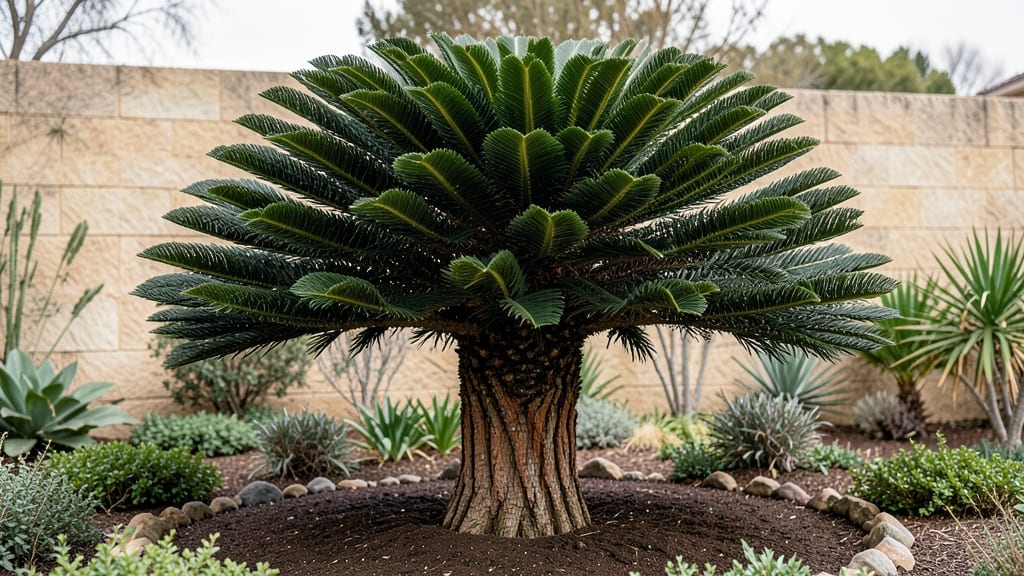
Growing an indoor monkey puzzle tree (Araucaria araucana) brings a jewel-toned rainforest giant into your home—without the space it needs outside. ✨ I’ve nurtured mine for three years, and its striking, spiky foliage becomes the centerpiece of any room, even in apartments with limited light.
The key? Mimicking its native Chilean forest conditions indoors, where it thrives as both a statement plant and a surprisingly low-maintenance companion.
The trick isn’t complicated: bright, indirect light (think east or north-facing windows), well-draining soil that mimics rocky forest floors, and occasional deep waterings that let the roots breathe. My tree’s leathery, fan-shaped leaves stay vibrant year-round because I avoid soggy soil—overwatering is the #1 killer of these architectural wonders.
Humidity matters too, but a simple pebble tray or occasional misting works wonders in dry winter air.
What you’ll love is how it grows: slow and steady, with bold vertical branches that create natural height in small spaces. Prune sparingly to shape it (just snip the tips), and watch as it develops its iconic, layered silhouette over time.
The real magic? Its pineapple-like cones appear after years of patience—proof this plant rewards long-term care with stunning, conversation-starting foliage.
Perfect for modern interiors, offices, or sunrooms, this tree adapts to most indoor climates—just avoid drafts and sudden temperature swings. Whether you’re a beginner or a plant enthusiast, its forgiving nature makes it a foolproof way to bring dramatic greenery indoors without the fuss of high-maintenance tropicals.
📚 In This Guide
- What you need
- Instructions
- Tips and common mistakes
- Wrapping up and next steps
What you need
- ● Monkey Puzzle Tree Seedling or Small Potted Plant: 1 plant (3–6 feet tall, depending on availability)
- ● Tip: Choose a healthy specimen with upright, spiky foliage and no signs of yellowing or pests.
- ● Container: 1 large, well-draining pot (12–18 inches in diameter)
- ● Specs: Ensure it has drainage holes and is made of terracotta, ceramic, or fabric (avoid plastic for long-term health).
- ● High-Quality Potting Mix: 1 bag (1–2 cubic feet) of cactus/succulent mix or a blend of 60% inorganic grit (perlite, pumice) + 40% organic matter (peat, coco coir).
- ● Pro Tip: Monkey puzzle trees hate soggy roots—amend with extra perlite if your mix feels too dense! 🌡️
- ● Garden Tools: 1 trowel (for repotting)
- ● 1 pair of pruning shears (sterilized!)
- ● 1 pair of gloves (those spikes are sharp!)
- ● Slow-Release Fertilizer: 1 pellet or granular formula (balanced 10-10-10 or succulent-specific).
- ● Moisture Meter: To check soil dryness before watering (overwatering is the #1 killer!).
- ● Decorative Stones or Mulch: For a polished look (use gravel or lava rocks—avoid organic mulch to prevent rot).
- ● Grow Lights: If natural light is limited (LED full-spectrum bulbs work best).
Step-by-Step guide to growing a thriving indoor monkey puzzle tree
Here’s how to cultivate this striking architectural plant indoors—where its dramatic foliage truly shines.
🌱 Step 1: Select and Prepare the Right Container
Choose a large, sturdy container at least 12-14 inches deep with drainage holes—monkey puzzle trees (Araucaria araucana) have deep roots and need stability. I prefer terra cotta because it breathes and helps prevent root rot, but any well-draining pot works. Avoid plastic unless it’s thick and heavy-duty, as the plant’s upright growth can tip lightweight containers over.
Fill the bottom 2-3 inches with gritty, well-draining mix—I blend equal parts potting soil, perlite, and coarse sand to mimic its native rocky soil. This prevents waterlogging, which is the #1 killer of indoor monkey puzzle trees. Tap the pot gently to settle the mix without compacting it too firmly.
🌿 Step 2: Plant and Position for Optimal Growth
Plant your bare-root or container-grown monkey puzzle tree at the same depth it was growing before—burying the stem too deep encourages rot, while planting too shallow exposes roots to drying out. Gently loosen the root ball if it’s root-bound, then place it in the center of the pot and backfill with your prepared mix, pressing lightly to eliminate air pockets.
Position the tree in a spot with bright, indirect light—think east or west-facing window—for the first 2-4 weeks to help it acclimate. Direct sun can scorch its thick, leathery leaves, but low light will cause the foliage to stretch and lose its vibrant color. You’ll know it’s getting the right light when new growth emerges dark green and upright, not pale or leggy.
☀️ Step 3: Establish a Watering and Humidity Routine
Water deeply but infrequently—let the top 2-3 inches of soil dry out completely between waterings. I check by sticking my finger in the soil: if it feels dry past my first knuckle, it’s time to water. Overwatering is the fastest way to kill this plant, so never let it sit in saucers of water. Instead, empty saucers immediately after watering to prevent root suffocation.
Monkey puzzle trees thrive in moderate humidity—aim for 40-50% if your home is dry. Mist the foliage 2-3 times weekly or place the pot on a pebble tray with water (just ensure the pot isn’t sitting directly in water). You’ll notice the leaves staying plump and glossy when humidity is ideal; wilting or crispy edges signal it’s too dry.
✂️ Step 4: Prune and Support for Architectural Shape
Prune only to shape or remove dead branches—this plant grows slowly and doesn’t respond well to heavy pruning. Use sterilized pruning shears to trim back any leggy growth or browned tips in early spring, just as new growth begins. Avoid cutting into old wood, as it rarely regrows. The goal is to encourage its natural, upright form—let it grow tall and dramatic without forcing it into a compact shape.
Support the tree as it grows—its spiky, upright branches can become top-heavy. I use a small wooden stake inserted near the base and loosely tie the trunk to it with soft plant ties (like cotton strips) to prevent tipping. Remove the ties every 6-8 weeks to check for tightness and adjust as the trunk thickens. This keeps the plant stable while allowing it to grow strong on its own.
🪴 Step 5: Fertilize and Monitor for Pests
Feed your monkey puzzle tree monthly in spring and summer with a balanced, diluted fertilizer (like 10-10-10 at half strength). Avoid fertilizing in fall and winter—this plant grows slowly and doesn’t need extra nutrients during dormancy. You’ll see richer green leaves and steady growth when it’s getting the right nutrients, but yellowing leaves mean it’s getting too much.
Check for scale insects or spider mites regularly—these pests love the dry indoor air. Wipe leaves with a damp cloth monthly to remove dust and deter infestations. If you spot pests, treat with neem oil (mix 1 tsp per quart of water) and spray the undersides of leaves, where pests hide. Repeat every 5-7 days until they’re gone. A healthy monkey puzzle tree is resistant to most pests, so keeping it happy is your best defense.
Tips & tricks for perfect indoor monkey puzzle tree care
Real talk: This plant’s striking architecture makes it a showstopper—but only if you nail the basics. Here’s how to avoid the pitfalls that turn dramatic foliage into a sad, droopy mess.
Container Stability is Non-Negotiable: In Step 1, when selecting your 12-14 inch container, consider weight distribution. The monkey puzzle tree’s upright growth can reach 10-15 feet indoors, so its top-heavy branches need a sturdy base. If using terra cotta, place it on a wide, flat saucer (not a decorative one) to prevent tipping. For lightweight pots, add 2-3 pounds of gravel to the bottom before adding soil—this anchors the plant without restricting roots. I’ve seen these trees topple after just a few months of growth when stability was overlooked.
Light Transition Takes Time: The instructions mention 2-4 weeks of bright, indirect light for acclimation, but here’s what nobody tells you—this tree’s native habitat is full sun, so gradual exposure matters. After those initial weeks, slowly introduce 2-3 hours of morning sun per day (east-facing windows are ideal). Sudden direct sun causes white or brown patches on leaves, which can’t be reversed. Watch for pale new growth as your cue to increase light exposure incrementally over 4-6 weeks.
Root Health Starts at Planting: When loosening the root ball in Step 2, focus on gently teasing apart circling roots—don’t force them. I use a wooden chopstick to carefully separate roots without damaging the delicate tips. The equal parts potting soil, perlite, and sand mix is crucial here: perlite should make up 25-30% of the total mix to prevent compaction. After planting, give the soil a light misting to encourage root contact with the mix without waterlogging.
Humidity Hacks for Dry Climates: The recommended 40-50% humidity can be tricky in dry indoor environments. Beyond misting 2-3 times weekly, place the pot on a bed of damp pebbles (not sitting in water) and group it with other houseplants to create a microclimate. For extra insurance, invest in a small humidifier set to 45% output and position it near the plant. You’ll know you’ve hit the sweet spot when the leaves stay plump and glossy—dull, crispy edges mean it’s time to increase humidity immediately.
Pro Tips for Indoor Monkey Puzzle Tree
- Real talk: This plant’s striking architecture makes it a showstopper—but only if you nail the basics.
- Container Stability is Non-Negotiable: In Step 1, when selecting your 12-14 inch container, consider weight distribution.
- Light Transition Takes Time: The instructions mention 2-4 weeks of bright, indirect light for acclimation, but here’s what nobody tells you—this tree’s native habitat is full sun, so gradual exposure matters.
Frequently asked questions
Got questions about growing an indoor Monkey Puzzle Tree? You’re not alone—this striking plant has a few quirks! Here are answers to the most common queries to help you thrive with your architectural foliage.
How much sunlight does an indoor Monkey Puzzle Tree need?
These trees love bright, indirect light—think south- or west-facing windows. Aim for 6+ hours daily. If leaves yellow or stretch, it’s begging for more light. A grow light works in a pinch, but natural sunlight is ideal. Pro tip: Rotate the pot occasionally for even growth!
Can I grow a Monkey Puzzle Tree indoors year-round?
While native to cooler climates, they adapt well indoors. Just keep temps between 50–75°F—avoid drafts (like AC vents) or sudden cold snaps. In winter, reduce watering since growth slows. A humidity tray or occasional misting helps prevent dry air woes.
How often should I water my Monkey Puzzle Tree?
Let the top 2–3 inches of soil dry out between waterings. Overwatering is the #1 killer—check with your finger! In summer, water weekly; in winter, every 2–3 weeks. Yellow leaves? Likely overwatering. Crispy tips? Time to hydrate!
What’s the best pot size for a young Monkey Puzzle Tree?
Start with a 10–12 inch pot for saplings, using drainage holes. As it grows, upgrade by 2 inches in diameter every 2–3 years. Avoid oversized pots—they trap moisture and stunt roots. Terra cotta is great for breathability, but any well-draining mix works.
Why are my Monkey Puzzle Tree’s needles turning brown?
Brown needles usually mean low humidity, pests, or stress. First, check for spider mites or scale (wipe leaves with soapy water if spotted). Boost humidity with a pebble tray or group plants together. If tips are crispy, increase misting or move away from heat sources.
Wrapping up and next steps
Bringing an indoor monkey puzzle tree into your space isn’t just about adding a stunning architectural element—it’s about transforming your home into a lush, inspiring sanctuary. With the right care, this unique plant thrives in small spaces, offering year-round greenery and a touch of whimsy. 🌿✨
Ready to give it a try? Start by gathering your supplies and choosing the perfect spot—then watch your indoor jungle grow! Your next step? Pick up a young tree, follow the care tips, and let nature’s artistry unfold in your home.