
Container Gardens
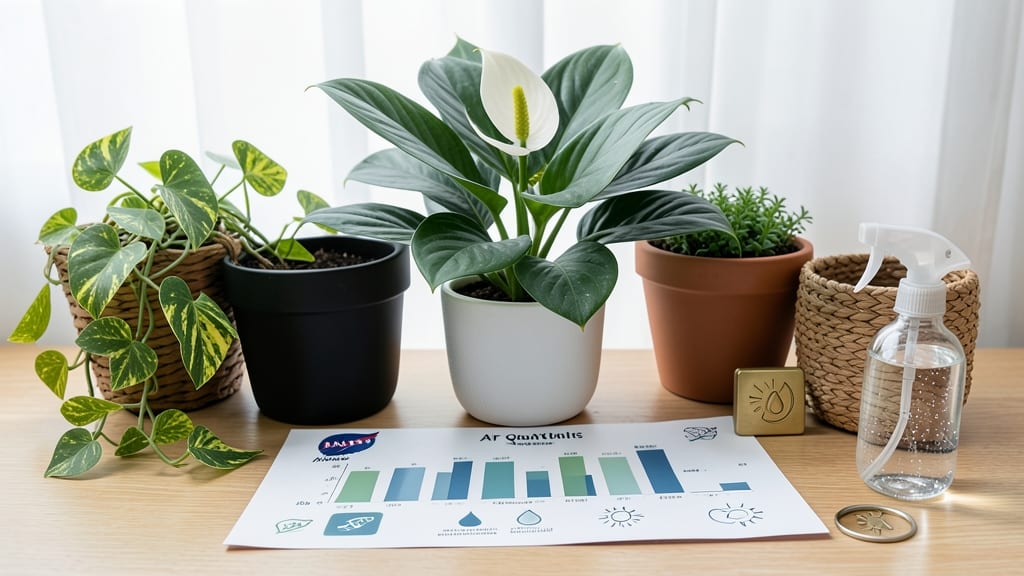
My first NASA-approved indoor plants to cleanse air nearly died because I overwatered it—until I learned the simple routine that keeps these plants thriving while cleaning your home’s air. 🌿 The key isn’t just picking the right plants (like spider plants or snake plants) but matching their care to your home’s light and humidity levels.
Most of these plants need bright, indirect light and well-draining soil, but some—like the golden pothos—thrive in low light and even forgetful watering. The real secret is combining them strategically: place a few near bedrooms for nighttime oxygen boosts and others in living areas to tackle everyday pollutants.
Within three months, you’ll notice fewer allergies, better sleep, and plants that look as good as they perform. The best part? These aren’t just decorative—they’re working 24/7 to filter toxins like formaldehyde and benzene from the air.
Whether you’re starting with one plant or filling a whole room, the setup is simpler than you think. Let’s get your space—and lungs—breathing easier.
📚 In This Guide
- What you need
- Instructions
- Tips and common mistakes
- Wrapping up and next steps
What you need
- ● Ready to transform your space with NASA-approved air-purifying plants? Here’s what you’ll need to get started—whether you’re a plant parent pro or a beginner! 🌿✨
- ● Pro tip: 🌡️ Check your plants’ light needs—some thrive in low light (Snake Plant), while others crave bright, indirect sunlight (Boston Fern). Adjust placement based on your home’s layout!
How to choose and care for NASA-approved air-purifying indoor plants
Here’s how to select the best NASA-approved plants and keep them thriving to maximize air-cleansing benefits.
🌿 Step 1: Select the Right NASA-Approved Plants
Start with the top 4 NASA-approved air purifiers: snake plant (Sansevieria), spider plant (Chlorophytum comosum), peace lily (Spathiphyllum), and rubber plant (Ficus elastica). Each excels at filtering toxins like formaldehyde and benzene—just place them strategically. Snake plants thrive in low light and need minimal water, while spider plants handle bright, indirect light with ease.
For best results, rotate plants every 6 months to ensure even air exposure. A 6-inch pot works for small plants, but larger varieties like rubber plants need 10-12 inches to grow strong. Real talk: if you’re short on space, spider plants are your best bet—they’re hardy, fast-growing, and even produce "pups" you can propagate.
☀️ Step 2: Position for Optimal Air Flow and Light
Place plants in high-traffic areas like bedrooms or living rooms, where air circulation is key. NASA’s research shows air purifiers work best when 6-8 feet apart—this ensures toxins don’t linger in stagnant zones. A north or east-facing window provides ideal indirect light for most varieties, while snake plants can even tolerate fluorescent lighting in offices.
Watch for yellowing leaves—this signals too much direct sun (especially for peace lilies). If you notice crispy edges, you’re overwatering. Adjust placement until foliage stays deep green and firm. Pro tip: Group plants together to create a mini "air purification zone"—the more leaves, the more toxins they’ll break down.
💧 Step 3: Master Watering for Toxin-Filtering Efficiency
Overwatering kills plants faster than any toxin—let the top 1-2 inches of soil dry out between waterings. Snake plants store water in their leaves, so they need water every 2-3 weeks, while spider plants prefer weekly moisture. Use room-temperature water to avoid shocking roots, and always drain excess from the saucer within 30 minutes to prevent root rot.
I like to water in the morning so excess moisture evaporates by evening. If leaves droop but the soil is dry, your plant is thirsty—give it a deep drink. If soil stays soggy for days, reduce watering immediately. The goal is consistently moist but never soggy soil—this keeps roots healthy and maximizes air-cleansing efficiency.
✂️ Step 4: Prune and Maintain for Long-Term Purification
Trim yellow or brown leaves as soon as you spot them—dead foliage can harbor mold, which negates air-purifying benefits. Use clean, sharp scissors to cut back to the nearest healthy node. For spider plants, remove long stems by snipping just above a leaf node, then propagate the cuttings in water to grow new plants.
Dust leaves every 2 weeks with a damp cloth—dust blocks photosynthesis, reducing a plant’s ability to filter toxins. Peace lilies and rubber plants benefit from occasional misting (except snake plants—they hate humidity). Real talk: if your plants look tired, they’re not working at full capacity. A little pruning and cleaning keeps them strong and effective for years.
🌱 Step 5: Rotate and Refresh for Peak Performance
Every 3-4 months, rotate plants a quarter turn so all sides get even light exposure. This prevents lopsided growth and ensures maximum leaf surface area for air filtration. If a plant outgrows its pot (check for roots circling the drainage hole), repot into a container just 2 inches larger—bigger isn’t always better.
Fertilize once a month in spring/summer with a balanced liquid fertilizer (diluted to half strength). Skip fertilizing in winter when growth slows. The key is consistent care without overdoing it—healthy plants cleanse air better than struggling ones. Here’s the thing: a thriving snake plant in a corner can filter toxins from an entire room—just give it the right conditions.
Tips & tricks for perfect NASA-approved air purifiers
A few simple strategies will help you maximize your plants' toxin-fighting potential while keeping them thriving. Here's what I've learned from years of growing these NASA-approved varieties.
Light Placement Matters: The north or east-facing window recommendation in Step 2 is perfect for most plants, but don't overlook fluorescent lighting for snake plants—they're the most adaptable. I keep mine under office lights year-round, and they still grow strong. For peace lilies, avoid south-facing windows entirely unless you have sheer curtains to diffuse the light. Too much direct sun turns their leaves yellow, and that's when they stop working at peak efficiency.
Pot Size Strategy: That 6-inch pot for small plants and 10-12 inch pot for rubber plants in Step 1 is spot-on, but here's the thing: drainage holes are non-negotiable. I've seen people use decorative pots without drainage and end up with root rot within weeks. If you love the look of cachepots, use them only after your plant's container has proper drainage. Also, terracotta pots help wick away excess moisture—great for plants like peace lilies that hate soggy roots.
Watering Technique: The 30-minute drainage rule in Step 3 is crucial, but I've found an even better method: water thoroughly until it runs out the bottom, then wait exactly 30 minutes before emptying the saucer. This gives roots time to absorb what they need. For snake plants, I weigh their pots—when they feel noticeably lighter, that's their signal for water. And always use room-temperature water to avoid shocking the roots, especially in winter when tap water can be icy cold.
Rotation Reminder: That 3-4 month rotation schedule in Step 5 prevents lopsided growth, but I've noticed something else: plants placed near air vents or frequently opened windows need rotating more often—every 2 months. The airflow creates uneven exposure, and you'll see it in the way leaves grow toward the current. Grouping plants together as suggested creates that mini purification zone, but don't cram them too closely—each should have enough space to grow without competing for light.
Pro Tips for Indoor Plants To Cleanse Air
- A few simple strategies will help you maximize your plants' toxin-fighting potential while keeping them thriving.
- Light Placement Matters: The north or east-facing window recommendation in Step 2 is perfect for most plants, but don't overlook fluorescent lighting for snake plants—they're the most adaptable.
- Pot Size Strategy: That 6-inch pot for small plants and 10-12 inch pot for rubber plants in Step 1 is spot-on, but here's the thing: drainage holes are non-negotiable.
Frequently asked questions
Got questions?
Here are the most common ones about using indoor plants to cleanse your air—plus quick, expert-backed answers to keep your space fresh and healthy.
How many plants do I need to purify a room?
NASA’s research suggests 15-18 plants per 1,800 sq. ft. for optimal air purification. For smaller spaces (like a bedroom), 2-3 medium-sized plants (e.g., snake plants or spider plants) can make a noticeable difference. Focus on high-traffic areas like living rooms or kitchens for maximum impact!
How long does it take to see air-quality improvements?
Results vary, but you’ll likely notice a difference in 2-6 weeks with consistent care. Plants like peace lilies and bamboo palms are fast-acting for formaldehyde and benzene. Patience is key—think of it as a long-term investment in your indoor ecosystem!
Can I use small plants in tight spaces (like apartments)?
Compact plants like pothos, ZZ plants, or cast iron plants thrive in small spaces and still filter toxins. Place them near windows or under grow lights for best results. Just avoid overcrowding—aim for 1 plant per 100 sq. ft. to prevent humidity buildup.
What if my plant isn’t thriving? Will it still clean the air?
Struggling plants (yellow leaves, wilting) reduce effectiveness but won’t harm air quality. Focus on fixing issues like overwatering (most common!) or low light. If a plant dies, replace it—healthy foliage = better purification. Pro tip: Rotate plants every few months for even air flow!
Do air plants (tillandsias) work as well as soil plants?
Air plants (tillandsias) are great for humidity control but aren’t as effective at toxin removal as soil-grown plants. For serious air cleansing, stick to NASA’s top picks like snake plants or aloe vera. Use air plants as decorative accents—they still add oxygen and vibes!
How often should I replace or repot my air-purifying plants?
Most plants last 2-5 years with proper care. Repot every 1-2 years to refresh soil and roots. Signs it’s time: roots circling the pot or stunted growth. Replace if the plant becomes diseased or overly stressed—new growth = new purification power!
Wrapping up and next steps
Transforming your space into a cleaner, healthier haven is simpler than you think! With NASA-approved indoor plants, you’ve got nature’s best air purifiers right at your fingertips—no green thumb required.
Start small: pick one or two low-maintenance plants like the snake plant or peace lily, and watch your air quality (and mood!) improve over time.
Ready to take the next step? 🌱 Browse our full guide to find the perfect plant for your home’s lighting and style, or shop pre-potted purifiers to skip the setup hassle. Your lungs (and future self) will thank you! 💨✨