
How To
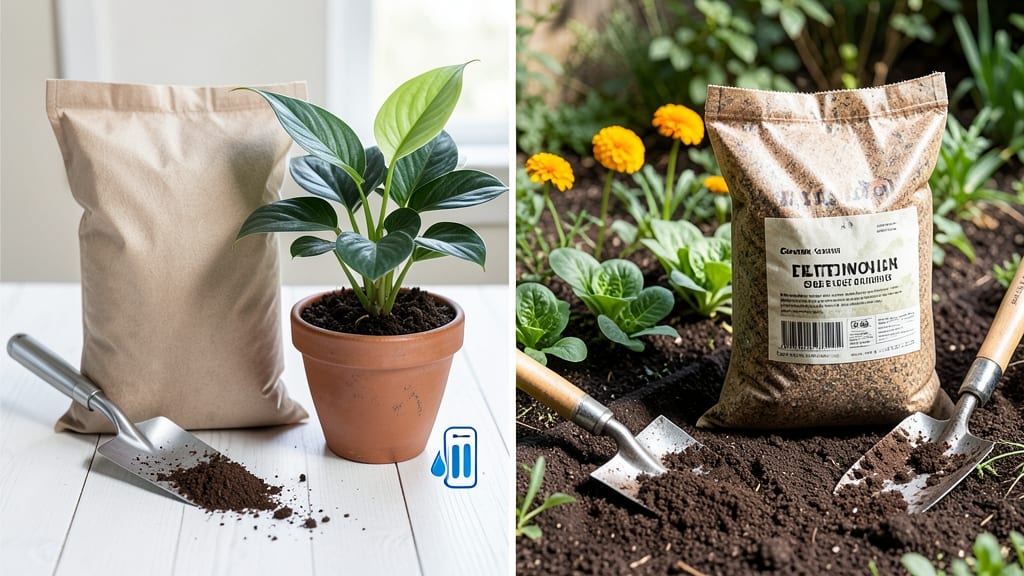
Your houseplants are wilting because the wrong soil is killing them. 🌱 Indoor potting soil and outdoor soil aren't interchangeable—they're designed for completely different environments. One drains too fast, the other holds water like a swamp, and neither will give your plants what they truly need to thrive.
Indoor potting soil is light, airy, and packed with organic matter to mimic forest floor conditions—think coconut coir, peat moss, and perlite. It holds just enough moisture for houseplants that can't handle soggy roots, while still allowing oxygen to reach delicate root systems.
Outdoor soil, on the other hand, is heavier, richer in minerals, and meant to feed plants with deep, spreading roots that can access nutrients from the surrounding earth.
You'll notice the difference immediately: indoor mixes stay fluffy and crumbly, while outdoor mixes feel dense and earthy. The right choice means fewer root rot emergencies, faster growth, and plants that actually stay alive through winter.
For houseplants, prioritize a mix labeled "for containers"—it's the only way to avoid the dreaded "black thumb" syndrome.
Still unsure? Mix your own: combine 40% peat moss, 30% perlite, and 30% compost for a foolproof indoor blend. Outdoor beds need a heavier mix with composted leaves or aged manure.
The key is matching the soil to the plant's natural habitat—indoor plants want a lightweight, breathable home, while outdoor plants crave a nutrient-rich foundation.
The first product explained
Meet Miracle-Gro Indoor Potting Mix—the go-to choice for thriving houseplants and container gardens! 🌿✨ This premium blend is specifically engineered for indoor use, ensuring your green babies get the perfect balance of nutrients, moisture retention, and aeration. Whether you're a plant parent with a sunroom jungle or a beginner nurturing your first fiddle-leaf fig, this mix is your secret weapon for lush, healthy growth.
📏 Key Specs & Features
- Formulation: Lightweight, peat-based mix with added perlite and vermiculite for optimal drainage and oxygen flow to roots.
- Nutrients: Pre-mixed with slow-release fertilizer (14-14-14 NPK ratio) to feed plants for up to 6 months—no extra fertilizing needed!
- pH Level: Slightly acidic (5.5–6.5), ideal for most indoor plants, including ferns, succulents, and flowering varieties.
- Moisture Control: Retains water without sogginess, reducing the risk of root rot in containers.
- Sterile & Pest-Free: Heat-treated to eliminate weeds, pathogens, and pests—perfect for sanitary plant care.
- Bag Size: Available in 8 qt (covers ~20 1-gallon containers) and 1.5 cu. ft. (for larger setups).
🎯 Who’s It For?
This mix is a game-changer for:
- 🌱 Indoor gardeners: Ideal for houseplants, herb gardens, and windowsill veggies (like basil or lettuce).
- 🏡 Small-space growers: Perfect for apartments, offices, or balconies with limited outdoor access.
- 💡 Beginners & pros alike: No guesswork—just add plants and water for consistent results.
- 🐝 Eco-conscious plant lovers: Biodegradable and designed to minimize waste (no heavy clay soil needed!).
💰 Price Point & Value
Priced competitively at $6.97–$12.97 per bag (depending on size and retailer), this mix offers exceptional value for its convenience and performance. Compare that to DIY mixes (which require multiple amendments) or lower-quality soils that may compact or drain poorly—Miracle-Gro saves time, money, and headaches in the long run!
💡 Pro Tip: For succulents or cacti, mix this with extra perlite (1:1 ratio) to prevent waterlogging. And if you’re repotting, sterilize containers first to keep your indoor oasis pest-free! 🚫🐜
The second product explained
Meet Miracle-Gro Indoor Potting Mix—the go-to choice for plant parents who want lush, thriving greenery without the guesswork! 🌿✨ This premium blend is engineered specifically for indoor gardening, where space, light, and moisture control are key. Whether you're nurturing herbs on your windowsill, growing succulents in stylish pots, or reviving a struggling houseplant, this soil is designed to deliver consistent results with minimal fuss.
📏 Key Specs & Features
| Feature | Details |
|---|---|
| Soil Composition | Lightweight, airy blend of peat moss, perlite, vermiculite, and compost for optimal aeration and moisture retention. |
| Nutrient Profile | Pre-mixed with balanced, slow-release fertilizer (15-30-15 NPK ratio) to support steady growth over 3-6 months. |
| Drainage | Designed for indoor pots—holds moisture without waterlogging, reducing root rot risk while keeping roots hydrated. |
| pH Level | Neutral to slightly acidic (5.5–6.5), ideal for most houseplants, herbs, and flowering plants. |
| Weight & Coverage | 8-quart bag covers up to 4 standard 6-inch pots or 2 large 10-inch containers. |
| Organic Matter | Contains 20% coconut coir and composted bark for improved water retention and microbial activity. |
🎯 Who’s It For?
This product is a perfect match for:
- Beginners & Busy Plant Parents: No need to amend soil—just add, water, and watch your plants flourish! 🌱
- Urban Gardeners: Compact and lightweight, ideal for small apartments, balconies, or office plants.
- Herb & Veggie Enthusiasts: Supports basil, mint, parsley, and even dwarf tomatoes with its nutrient-rich formula.
- Succulent & Cactus Lovers: While not as gritty as cactus mix, it’s a great starter for drought-tolerant plants.
- Plant Revivers: Helps rescue underperforming plants by providing a fresh, nutrient-dense growing medium.
💰 Price Point & Value
Priced at $8.99–$12.99 (depending on retailer and size), this potting mix offers exceptional value for its convenience and performance.
Compared to outdoor soils, it’s a worthwhile investment for indoor growers who prioritize ease and reliability. Pro tip: 💡 Buy in bulk if you’re a serial replanter—it’s cheaper per quart and reduces waste!
Why It Stands Out: Unlike generic potting soils, Miracle-Gro Indoor Mix is specifically formulated to mimic the controlled conditions of indoor environments. Its moisture-wicking properties and nutrient consistency make it a top pick for anyone tired of wilting leaves or slow growth. Plus, it’s sterilized, so you won’t introduce pests or diseases to your beloved plants!
Head-to-head comparison
🌱 Performance: Growing Conditions & Plant Health
When it comes to performance, indoor and outdoor potting soils are designed for very different environments—and your plants will thank you for choosing the right one!
Indoor potting soil shines in controlled spaces like apartments, greenhouses, or sunrooms. Here’s why:
- Moisture retention: It’s formulated to stay damp longer without becoming waterlogged, perfect for low-light or high-humidity indoor setups. 💧
- Nutrient consistency: Often enriched with slow-release fertilizers (like composted bark or worm castings) to sustain plants over weeks or months.
- Lightweight texture: Designed to be fluffy and airy, reducing the risk of root rot in containers where drainage can be tricky.
- pH balance: Typically neutral to slightly acidic (6.0–7.0), ideal for most houseplants (e.g., ferns, succulents, or herbs).
Outdoor potting soil is built to handle the elements—sun, rain, and temperature swings—while supporting heavy feeders like vegetables, flowers, or shrubs:
- Drainage focus: Contains coarser materials (perlite, sand, or pine bark) to prevent compaction and improve aeration in garden beds or large pots. 🌧️
- Higher organic matter: Often blended with compost or aged manure to replenish nutrients lost to weather or frequent watering.
- pH flexibility: Can range from acidic (for blueberries) to alkaline (for lavender), catering to a wider variety of plants.
- Durability: Resists breaking down quickly, making it great for seasonal planting or long-term garden projects.
Pro Tip: 💡 If you’re growing the same plant indoors and outdoors (like tomatoes or basil), outdoor soil might still win for its robustness—but indoor soil can work in a pinch if amended with extra perlite for drainage!
🛠️ Features: What’s Inside the Bag?
Peek under the hood, and you’ll find stark differences in the ingredients that make these soils tick. Here’s a breakdown of the key components:
| Component | Indoor Potting Soil | Outdoor Potting Soil |
|---|---|---|
| Primary Base | Peat moss, coconut coir, or composted bark (lightweight and moisture-retaining). | Garden soil, compost, or topsoil (heavier and nutrient-dense). |
| Drainage Boosters | Perlite, vermiculite, or pine fines (in moderation). | Coarse sand, gravel, or expanded shale (for better aeration). |
| Fertilizers | Slow-release granules (e.g., Osmocote) or organic amendments like worm castings. | Quick-release fertilizers (e.g., 10-10-10 NPK) or aged compost for immediate nutrients. |
| Microorganisms | Beneficial fungi (mycorrhizae) and bacteria to support root health in confined spaces. | More diverse microbial life to break down organic matter faster. |
| Special Additives | Water retainers (like hydrogel crystals) or pH adjusters for sensitive plants. | Limestone or sulfur to stabilize pH for outdoor conditions. |
Fun Fact: 🌡️ Indoor soils often skip sand (which can compact and reduce aeration in pots), while outdoor soils might include it to mimic natural soil structure!
💰 Price: Budget-Friendly or Premium?
Your wallet will notice the difference between these two soils—especially if you’re stocking up for a big project!
Indoor potting soil tends to be pricier per cubic foot because of its specialized ingredients:
- Average cost: $3–$8 per 2–3 cubic feet bag (premium mixes with added fertilizers can hit $10+).
- Why? Lightweight materials (like coconut coir) and slow-release nutrients add up.
- Best for: Small-scale projects (e.g., repotting a snake plant or starting herbs).
Outdoor potting soil is usually more budget-friendly and often sold in bulk:
- Average cost: $2–$6 per 2–3 cubic feet bag (bulk orders or garden soil blends can drop to $1/cubic foot!).
- Why? Uses cheaper, heavier materials (like garden soil or compost) and is sold in larger quantities.
- Best for: Raised beds, vegetable gardens, or filling big containers (e.g., 5-gallon pots for tomatoes).
Pro Tip: ✨ DIY blends can save money! Mix outdoor soil with 20–30% perlite for indoor use, or amend indoor soil with compost for outdoor plants.
🏋️ Durability: How Long Does It Last?
Indoor and outdoor soils degrade at different rates—here’s how to maximize their lifespan:
Indoor potting soil breaks down faster because:
- Organic matter decomposes quickly in warm, humid indoor environments (especially in summer).
- Nutrients leach out with frequent watering (common in houseplants).
- Lifespan: 6–12 months for most mixes (replace when it smells sour or looks compacted).
Outdoor potting soil is more resilient because:
- Exposure to sun and rain can dry it out, but it also benefits from natural composting over time.
- Heavier materials (like garden soil) resist breaking down as quickly.
- Lifespan: 1–2 years for garden beds; 6–12 months for containers (depends on plant type and weather).
Extending Soil Life: 🔥
- For indoor soil: Top-dress with compost or worm castings every 3–6 months.
- For outdoor soil: Mix in fresh compost annually to replenish nutrients.
- Avoid overwatering—both soils suffer from compaction or fungal growth!
🌿 Best Uses: When to Pick Which?
Not sure which soil to grab? Here’s a quick cheat sheet for common scenarios:
| Use Case | Indoor Potting Soil | Outdoor Potting Soil | ||||||||
|---|---|---|---|---|---|---|---|---|---|---|
| Houseplants (e.g., monstera, pothos) | ✅ Perfect! Lightweight and moisture-retentive. |
Which one should you choose?So, which soil is right for your plants? 🌱 The answer depends on where—and how—you’re growing. Let’s break it down to help you make the best choice for your green thumb goals! 🏡 For Indoor Plants: Choose Indoor Potting SoilIf you’re nurturing houseplants, herbs, or container veggies, indoor potting soil is your best bet. Here’s why:
Pro tip: 💡 Mix in perlite or vermiculite for extra aeration if your plant craves it! 🌿 For Outdoor Gardens: Go with Outdoor Potting SoilIf you’re planting in raised beds, garden plots, or large containers outdoors, outdoor potting soil wins with:
Pro tip: ✨ For containers outdoors, blend half indoor, half outdoor soil to balance drainage and nutrients! 🌱 Special Scenarios: When to Mix or Modify
Final verdict: Stick to the basics—indoor for pots, outdoor for plots—but don’t hesitate to tweak for your plants’ personalities! 🌟 Happy gardening! |