
Light Requirements
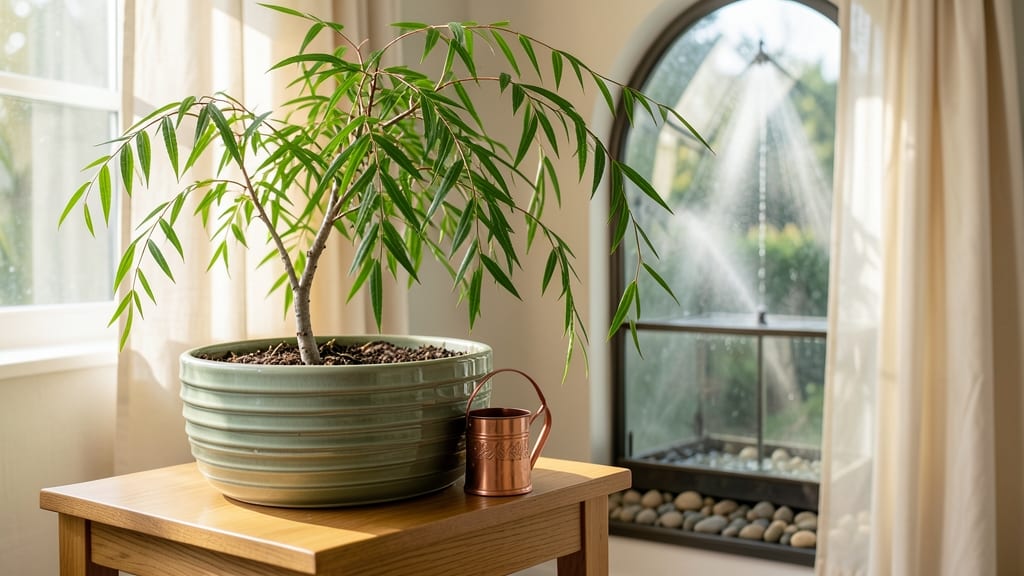
Growing an indoor weeping willow feels like bringing a piece of nature indoors—its graceful branches cascade like a tiny waterfall, even in dim corners. 🌿 I've kept mine thriving for years in my sunroom, where it gets just a few hours of morning light.
The key isn't perfect conditions but understanding its simple needs: a spacious container, well-draining soil, and patience with its slow but steady growth.
You'll need a 10-15 gallon container with drainage holes (rootbound willows wilt fast) and a mix of 50% potting soil, 30% perlite, and 20% peat moss to mimic its natural moisture-loving but well-aerated habitat. Water when the top inch feels dry, but avoid soggy soil—this tree hates wet feet.
Prune leggy branches in early spring to encourage bushier growth, and expect 6-12 inches of new growth per year (slow but steady wins the race).
The payoff? A living sculpture that purifies air, adds drama to any room, and stays lush even when other plants struggle. Mine now has a 5-foot spread after five years, and the only challenge is occasional spider mites—easy to wipe away with a damp cloth.
The trade-off? It's not a fast grower, but the patience pays off in elegance.
For beginners, start small with a 3-gallon nursery pot—it's more forgiving while you learn. If space is tight, consider the Ficus benjamini (weeping fig) as a faster-growing alternative with similar grace. Either way, this tree proves beauty thrives even in low-light homes.
📚 In This Guide
- What you need
- Instructions
- Tips and common mistakes
- Wrapping up and next steps
What you need
- ● Weeping willow plant – Choose a Salix babylonica cultivar (e.g., 'Pendula' or dwarf varieties like 'Tortuosa'). Look for a healthy, well-rooted specimen (3–5 gallons in size).
- ● Well-draining potting mix – A blend of 60% peat moss or coconut coir, 30% perlite or pumice, and 10% sand or orchid bark mimics its natural wetland soil.
- ● 10–15" diameter container – Opt for a glazed ceramic or fabric pot with drainage holes (avoid plastic, which retains too much moisture).
- ● Watering can with a rose attachment – Ensures gentle, deep hydration without disturbing roots.
- ● Humidity tray or pebble tray – Helps maintain 50–70% humidity, especially in dry climates.
- ● Balanced liquid fertilizer (5-5-5 or 10-10-10) – Dilute to half-strength monthly during spring/summer.
- ● Pruning shears – For shaping and removing dead branches (sterilize with rubbing alcohol).
- ● Moisture meter – Ensures soil stays consistently damp but not soggy (aim for 40–60% moisture).
- ○ Grow lights (LED, full-spectrum) – Optional for low-light spaces (12–14 hours/day, 12–18" above the plant).
- ○ Mulch (sphagnum moss or bark chips) – Retains moisture and regulates temperature (optional but helpful).
- ● Support stake or trellis – If your willow’s branches need guidance (especially for indoor dwarf varieties).
Step-by-step guide to cultivating an indoor weeping willow
Here’s how to nurture this elegant tree indoors—even with minimal light—using proven techniques.
🪴 Step 1: Select the Right Container and Soil Mix
Choose a 12-18 inch diameter pot with drainage holes to accommodate the weeping willow’s expansive root system. I opt for unglazed ceramic because it breathes and prevents root rot, which this moisture-loving species is prone to. Fill the bottom 2 inches with orchid bark or perlite to ensure excess water drains away from the roots.
Use a well-draining potting mix—I blend 50% peat moss, 30% perlite, and 20% coarse sand to mimic its natural wetland habitat. This prevents compaction and allows roots to breathe. Moisten the mix until it’s damp but not soggy, then let it sit for 10 minutes to settle before planting.
☀️ Step 2: Position for Optimal Light and Humidity
Weeping willows thrive in bright, indirect light but tolerate low-light conditions better than most indoor trees. Place it near an east-facing window where it gets morning sun without harsh afternoon rays. If natural light is limited, supplement with a grow light positioned 12-18 inches away for 12-14 hours daily.
Mist the leaves daily or use a pebble tray with water to maintain 60-70% humidity—critical for preventing browning leaf tips. I place a humidifier nearby in dry winter months, which keeps the air consistently moist without overwatering the soil.
💧 Step 3: Water Deeply and Maintain Consistent Moisture
Water the weeping willow when the top 1-2 inches of soil feel dry—usually every 5-7 days in warm weather, but every 10-14 days in cooler months. Stick your finger 2 inches deep to check; if it’s dry, water thoroughly until water runs out the drainage holes. Empty the saucer 30 minutes later to avoid root suffocation.
This tree loves moisture but despises soggy roots. I water in the morning so excess drains away before evening. Yellowing leaves often signal overwatering, while crispy edges mean underwatering or low humidity. Adjust your routine based on leaf condition.
✂️ Step 4: Prune and Shape for Graceful Growth
Prune in early spring to encourage new growth and maintain its weeping form. Use clean, sharp pruning shears to trim back 1/3 of the longest branches, cutting just above a leaf node. This prevents legginess and keeps the tree compact enough for indoor spaces.
Remove any dead, yellowed, or crossing branches to improve airflow and light penetration. I also pinch back new growth tips in summer to encourage bushier foliage. Avoid heavy pruning in fall or winter, as the tree enters dormancy and needs energy to recover.
🌿 Step 5: Fertilize and Monitor for Pests
Feed your weeping willow monthly from spring to fall with a balanced liquid fertilizer (10-10-10 or 20-20-20) diluted to half-strength. This provides steady nutrients without burning the roots. I skip fertilizing in winter when growth slows, but resume in early March to kickstart new foliage.
Check leaves weekly for spider mites or scale, common pests in dry indoor air. Wipe leaves with a damp cloth to remove dust and deter infestations. If pests appear, treat with neem oil spray—it’s gentle but effective. A healthy weeping willow rarely attracts pests, so strong growth is your best defense.
Tips & tricks for perfect indoor weeping willow cultivation
Between us, these little details make all the difference when growing a thriving indoor weeping willow—especially when light is limited.
Container Selection: The 12-18 inch diameter pot is non-negotiable for this tree's root system, but here's what I learned the hard way: Unglazed ceramic isn't just about breathability—it also helps regulate soil temperature fluctuations that can stress the roots. If you must use plastic, choose one with thick walls to mimic this effect.
Soil Preparation Insight: That 10-minute settling period after moistening your mix isn't just about convenience—it allows the ingredients to properly integrate. I've seen growers skip this and end up with compacted soil that suffocates roots. Think of it as giving your mix time to "breathe" before planting.
Light Supplement Strategy: When using grow lights for the required 12-14 hours daily, position them slightly higher than the 12-18 inches initially suggested if your tree starts showing signs of heat stress (yellowing leaves or crispy tips). The exact distance depends on your bulb's wattage—start with 18 inches and adjust based on leaf response.
Humidity Maintenance: The daily misting routine works wonders, but here's a pro move: Place your humidifier near the tree but not directly on it. I position mine about 3 feet away to create a microclimate that maintains that critical 60-70% humidity without creating a damp environment that could encourage fungal issues.
Pro Tips for Indoor Weeping Willow
- Between us, these little details make all the difference when growing a thriving indoor weeping willow—especially when light is limited.
- If you must use plastic, choose one with thick walls to mimic this effect.
- Soil Preparation Insight: That 10-minute settling period after moistening your mix isn't just about convenience—it allows the ingredients to properly integrate.
Frequently asked questions
Got questions about keeping an indoor weeping willow thriving? You’re not alone—these elegant trees have unique needs! Here are answers to the most common queries to help you grow with confidence.
Can an indoor weeping willow survive year-round with just artificial light?
While Salix babylonica (the classic weeping willow) thrives outdoors, most indoor varieties (like dwarf cultivars) can adapt to artificial light—but with limits. Use a full-spectrum LED grow light 12–14 hours daily for best results. Supplement with natural light near a window when possible to avoid leggy growth. Pro tip: Rotate the pot weekly for even exposure!
How often should I water my indoor weeping willow?
These trees love moisture but hate soggy roots. Water when the top 1–2 inches of soil feel dry (test with your finger!). In low-light conditions, water every 5–7 days; in brighter spots, every 7–10 days. Ensure the pot has drainage holes to prevent root rot. Overwatering is the #1 killer—when in doubt, wait a day!
Why are the leaves yellowing or dropping?
Yellow leaves usually signal overwatering or nutrient deficiency. Check the soil: if it’s soggy, reduce watering and improve drainage. Yellowing with brown edges? Low humidity or fluoride buildup (from tap water) may be the culprit. Try misting leaves or using distilled water. Pro tip: Feed with a balanced liquid fertilizer (20-20-20) every 2 months in spring/summer!
Are there low-maintenance alternatives to indoor weeping willows?
If weeping willows feel too high-maintenance, try these low-light, low-fuss alternatives:
- Ficus Audrey – Drought-tolerant with lush foliage.
- Dracaena Marginata – Thrives in shade and purifies air.
- Zamioculcas (ZZ Plant) – Nearly indestructible!
- Schefflera (Umbrella Plant) – Compact and forgiving.
Can I prune my indoor weeping willow to keep it small?
Prune in early spring to shape the tree and encourage bushier growth. Use clean, sharp shears to trim 1/3 of the new growth per branch. Avoid heavy pruning in fall/winter, as it stresses the plant. Warning: Weeping willows produce weak wood—support larger branches with stakes if needed.
Wrapping up and next steps
Caring for an indoor weeping willow is a rewarding way to bring nature’s elegance into your home—even with minimal light! 🌿 With the right tools, a few simple adjustments, and patience, you’ll enjoy its graceful branches and lush foliage year-round.
Whether you’re troubleshooting leaf drop or optimizing humidity, remember that every plant thrives with consistent love and attention.
Ready to take the next step? Experiment with placement—try a sunny windowsill or a well-lit corner—and observe how your willow responds. Soon, you’ll have a thriving, low-maintenance centerpiece that feels like a breath of fresh air indoors! 🌱