
Plants
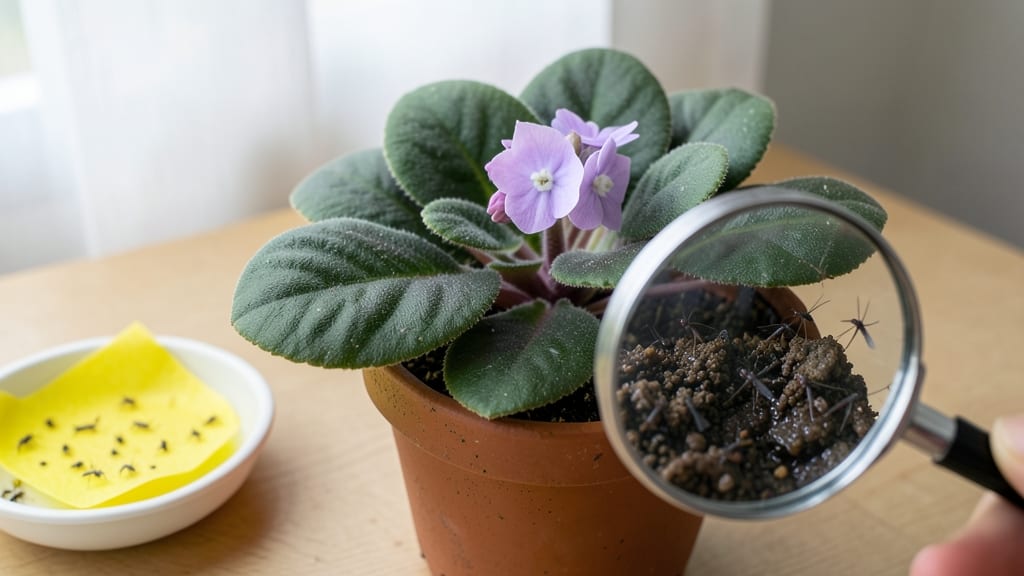
Those little flies buzzing around your indoor plants? 🌿 Fungus gnats are the usual culprits, and they’re more than just a nuisance—they can damage roots if left unchecked.
I’ve battled them in every indoor jungle I’ve tried to grow, and the good news is you don’t need harsh chemicals to kick them out for good.
The problem starts with overwatering or soggy soil—fungus gnats love damp, decaying organic matter like a buffet.
My first mistake was ignoring the signs until the plants looked stressed, but once I caught it early, a simple hydrogen peroxide spray (1 part peroxide to 4 parts water) cleared them out in days without harming my plants.
By the end of the week, you’ll see fewer flies, healthier roots, and plants that actually thrive. The best part? This method works for any indoor plant, from snake plants to monstera, and keeps your space fly-free without toxic sprays.
If the infestation is severe or keeps coming back, though, it’s time to dig deeper—sometimes the issue is drainage or hidden mold. But for most cases, this organic spray solution is all you need to reclaim your plant babies.
The Hidden Triggers Behind Plant Flies
Those tiny, buzzing pests in your indoor plants aren’t just a random annoyance—they’re often a sign of deeper environmental or care-related issues. Understanding why they appear is the first step to eradicating them for good.
Below, we break down the most common causes, backed by science, so you can address the root problem and restore peace to your green sanctuary.
Fungus gnats and shore flies thrive in moist, organic-rich soil—basically, a five-star hotel for their larvae. When you overwater, you’re not just hydrating your plants; you’re creating the perfect breeding ground for these pests. Here’s why:
- Excess moisture slows soil drainage, leading to anaerobic (oxygen-poor) conditions where fungal growth explodes. Fungus gnat larvae love this environment because it mimics their natural decaying-matter habitats.
- Decomposing organic matter (like old leaves, dead roots, or compost) ferments in soggy soil, releasing gases that attract adult flies. Think of it as a chemical invitation: "Come lay your eggs here!"
- Root rot weakens plants, making them more susceptible to pests. A stressed plant is less likely to bounce back, creating a vicious cycle.
Actionable fix: Let the top 1–2 inches of soil dry out between waterings. Use pots with drainage holes and a well-draining soil mix (add perlite or sand if yours is too dense).
Flies don’t just appear out of thin air—they’re drawn to decaying organic material where their larvae can feed. Common culprits include:
- Dead leaves or stems left on the soil surface act as a smorgasbord. Fungus gnats, in particular, lay eggs in moist, rotting plant debris.
- Overly thick mulch (like bark or compost) traps moisture and blocks airflow, accelerating decomposition and fly infestations.
- Old potting mix that’s been repurposed without sterilization may contain dormant fly eggs or larvae from previous plantings.
Actionable fix: Remove all dead plant material from pots and surfaces. Replace old soil with fresh, sterile potting mix every 1–2 years. If repotting, sterilize containers with a 10% bleach solution (rinse well afterward).
Temperature and humidity are like the "fast-forward" button for fly reproduction. Here’s how they play a role:
- Warmth (70–80°F / 21–27°C) is ideal for adult flies to become active and lay eggs. Cooler temps slow their lifecycle, but indoor heating systems often keep conditions perfect for them year-round.
- High humidity (60%+) keeps soil moist longer, extending the window for egg-laying and larval survival. Many homes with indoor plants naturally trap humidity, especially in bathrooms or kitchens.
- Poor airflow traps moisture and heat around plants, creating microclimates that flies adore. Crowded plant shelves or sealed terrariums are prime examples.
Actionable fix:
- Use a fan or dehumidifier to keep humidity below 50%. Aim for 40–50% humidity around your plants.
- Space plants apart to improve airflow. Avoid overcrowding, especially in enclosed areas.
- If using a greenhouse or terrarium, add a small vent or open it daily for 10–15 minutes.
Not all potting mixes are created equal—and neither are fertilizers. Some ingredients can unintentionally invite flies:
- Peat moss or compost-heavy soils retain moisture and may contain fly eggs or larvae from previous use. Even "organic" mixes can be problematic if not pasteurized.
- Over-fertilizing, especially with nitrogen-rich or organic fertilizers (like manure or fish emulsion), triggers rapid microbial activity. This "party" in the soil produces gases that attract flies—and the excess nutrients feed fungal growth, which larvae munch on.
- Synthetic fertilizers can create chemical imbalances that stress plants, making them more vulnerable to pest infestations.
Actionable fix:
- Choose sterile, soilless mixes (like coco coir + perlite blends) for seedling or high-risk plants.
- Fertilize sparingly: Follow package instructions and flush soil every 3–6 months with water to remove excess salts.
- Opt for slow-release fertilizers to avoid nutrient spikes that trigger fly activity.
💡 Pro Tip: If you’re dealing with a stubborn infestation, consider sandwiching your plant’s soil with a 1-inch layer of kinetic sand or vermiculite at the top. This creates a dry barrier that deters egg-laying while still allowing water to reach roots.
Quick Fixes for Tiny Plant Invaders
Discovering tiny flies buzzing around your indoor plants can feel like an unwelcome surprise—but don’t panic! These pests, often fungus gnats or fruit flies
Below, we’ll break down the most effective solutions based on the root cause of your infestation, plus simple prevention tips to keep your plants fly-free for good. Fungus gnats thrive in damp soil, so the first step is to let the top layer dry out. These flies lay eggs in moist conditions, so cutting back on watering is key. Wait until the top 1–2 inches of soil feel dry before watering again. Stick your finger in the soil to check—if it’s damp, hold off for a few more days. For peace of mind, invest in a simple moisture meter (under $10) to avoid guesswork. Overwatering is the #1 reason gnats stick around! Ensure pots have drainage holes and use well-draining soil mixes. Add perlite or sand to heavy soils to help excess water escape. Fruit flies and gnats love rotting organic material, whether it’s fallen leaves, overripe fruit, or dead roots. Cleaning up these hotspots is critical. Scoop out dead leaves, spent mulch, and any fruit scraps near your plants. Even a single banana peel can turn into a fly magnet! If your plant’s roots smell sour or look mushy, trim away the affected parts with sterilized scissors and repot in fresh soil. Excess fertilizer creates a sticky residue that attracts gnats. If you’ve been fertilizing recently, flush the soil with water to rinse away buildup. For stubborn infestations, a homemade spray can provide instant relief. These recipes are plant-safe and non-toxic for pets. Mix 1 cup apple cider vinegar, 1 tsp dish soap, and 1 quart water in a spray bottle. Shake well and spray the soil (not leaves) every 2–3 days until flies disappear. Combine 1 tbsp neem oil, 1 tsp mild soap, and 1 quart water. Spray the soil and leaves (test on a small area first). Neem oil disrupts the flies’ life cycle. Fill a small cup with 1/4 cup honey and 1/4 cup water. Place it near the plant—flies will drown in the sticky mix. Replace every 3–4 days. Once you’ve kicked the flies out, keep them from returning with these easy habits: Place yellow cards coated with petroleum jelly near plants. Flies are drawn to the color and get stuck—no chemicals needed! Gnats love humidity. Use a small fan near plants or a dehumidifier to keep levels below 60%. Move plants occasionally to disrupt fly breeding cycles. Flies often cluster in the same spots, so rotation confuses them. For heavy infestations, Steinernema feltiae nematodes (sold online) eat fungus gnat larvae naturally. Mix them into the soil for a chemical-free fix. With these targeted fixes, your plants will stay fly-free in no time! The key is acting fast—once you address moisture, decay, and breeding sites, those pesky little invaders won’t stand a chance.
Frequently asked questions
Why do I keep seeing these tiny flies even after treating my plants?
Persistent flies often mean eggs or larvae are still hiding in the soil or nearby areas. Adult flies can live up to 2 weeks, so it may take 2-3 weeks to see full results. Check for hidden breeding spots like dead leaves, overripe fruit, or damp mulch—these are common fly magnets you might have missed.
Are these flies harmful to my plants?
While adult flies don't damage plants directly, their larvae feed on roots and organic matter, which can weaken your plants over time. Severe infestations may lead to root rot or stunted growth. The good news? Most plants recover quickly once you eliminate the flies and improve care conditions.
Can I use hydrogen peroxide on all my indoor plants?
Yes, but use it carefully! A 3% hydrogen peroxide solution (mix 1 part peroxide to 4 parts water) is safe for most plants. Apply to soil only (never leaves) and avoid over-saturating. Test on a small area first if you're unsure—some sensitive plants like succulents may prefer milder treatments like neem oil.
How do I know if my flies are fungus gnats vs. fruit flies?
Fungus gnats are small, dark, and long-legged with a 12-hour lifecycle—you'll see them hovering near soil. Fruit flies are yellowish and shorter, often attracted to overripe fruit. The key difference? Fungus gnats breed in soil, while fruit flies prefer decaying organic matter above ground.
Will my pets be safe if I use these natural remedies?
All the remedies mentioned (vinegar, neem oil, hydrogen peroxide) are pet-safe when used correctly. Always dilute solutions properly and avoid direct contact with pets' paws or fur. For extra caution, keep pets away from treated areas until solutions dry completely—most are non-toxic but can be irritating if ingested in large amounts.