
Orchid Care
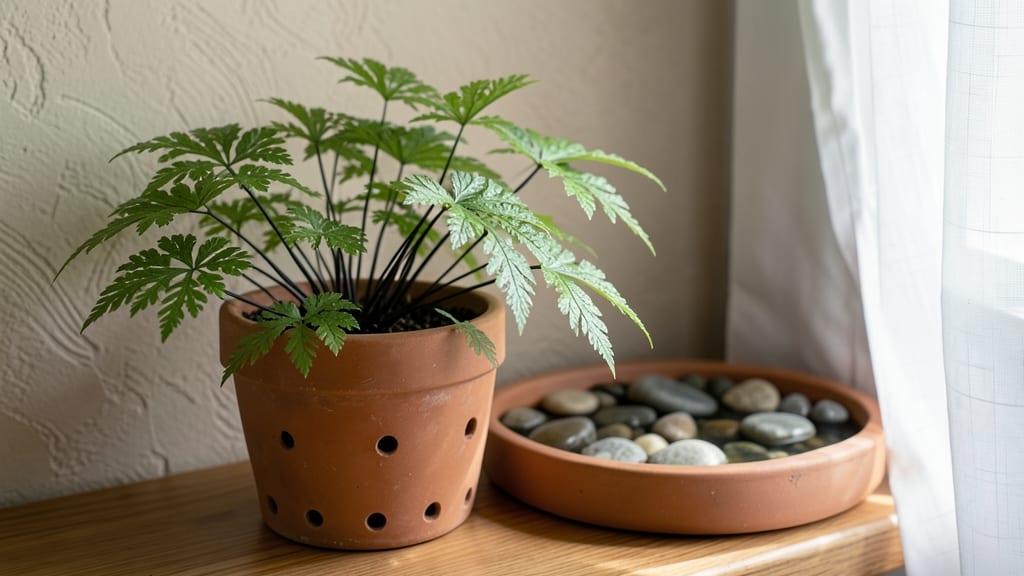
Maidenhair fern indoor care starts with one simple truth: these delicate beauties thrive where most plants struggle. 🌿 I’ve nursed my maidenhair from crispy brown edges to lush, feathery green in just three months—no fancy equipment, just the right conditions.
The key? Mimicking their natural habitat with bright, indirect light and humidity levels that make your bathroom feel like a tropical jungle.
You’ll need a few basics: a well-draining potting mix (think orchid mix or peat-heavy soil), a container with drainage holes, and a way to boost humidity—whether that’s a pebble tray, humidifier, or misting routine.
My maidenhair now lives in a terrarium-style pot where the soil stays consistently moist but never soggy. The secret weapon? A spray bottle for daily misting during dry spells.
By summer, you’ll see those signature fronds unfurling with vibrant green color, each one lighter than the last. The plant grows fast when happy—expect new growth every 2-3 weeks if you keep the conditions just right.
Even the brown-tip blues disappear with proper care, and pests? Rare when the environment is balanced.
Works perfectly for offices, bathrooms, or any spot with moderate to low light—just avoid direct sun. Here’s how to keep yours thriving year-round without the guesswork.
📚 In This Guide
- What you need
- Instructions
- Tips and common mistakes
- Wrapping up and next steps
What you need
- ● Maidenhair fern plant – Choose a healthy specimen with vibrant fronds (1-2 plants per pot works well).
- ● Well-draining pot – Size: 6-8 inches in diameter (1 plant) or 10-12 inches (2 plants). Material: Terracotta or ceramic with drainage holes.
- ● High-quality potting mix – Type: Peat-based or well-aerated mix (e.g., 50% peat moss + 50% perlite or orchid bark). Quantity: 1-2 gallons per pot.
- ● Distilled or rainwater – Why? Tap water can harm sensitive ferns over time. Quantity: 1-2 cups per watering.
- ● Watering can with a narrow spout – Ensures gentle, targeted hydration.
- ○ Humidity tray or pebble tray – Optional but helpful for maintaining 50-70% humidity.
- ● Misting bottle – For daily light misting (especially in dry climates).
- ● Fertilizer – Type: Balanced liquid fertilizer (10-10-10 or 20-20-20), diluted to half-strength. Frequency: Monthly during growing season.
- ● Pruning shears – Size: Small, sharp pair for trimming dead fronds.
- ○ Grow lights (optional) – Type: LED full-spectrum bulb (if natural light is <6 hours/day).
- ● Low to medium indirect light – East-facing window or 10-20 feet from a west/south window.
- ● Consistent temperature – Keep between 60-75°F (15-24°C); avoid drafts or heaters.
- ● Patience & observation – Maidenhair ferns thrive with gentle adjustments, not rush!
Step-by-Step indoor care for thriving maidenhair ferns
Maidenhair ferns reward patience with delicate, feathery fronds—here’s how to keep yours lush in low-light conditions.
🪴 Step 1: Select the Perfect Container and Soil Mix
Choose a shallow, wide pot with drainage holes—maidenhair ferns hate soggy roots but need consistent moisture. I prefer 6-8 inch diameter terra cotta pots because they wick away excess moisture while keeping humidity high. Fill it with a mix of 50% peat moss and 50% perlite to replicate their natural, airy woodland soil.
Press the mix lightly to remove air pockets, then water until moisture runs through the drainage holes. The surface should feel damp but not wet—like a wrung-out sponge. Maidenhair ferns thrive in 60-75°F environments, so avoid drafty spots near doors or vents.
☀️ Step 2: Position for Ideal Light and Humidity
Place your maidenhair fern in bright, indirect light—think east-facing windows or 2-3 feet from a south window. Direct sun scorches the fronds, while too little light causes fronds to yellow and droop. Watch for new growth emerging at the center—this signals you’ve got the light right.
Mist the fronds daily with room-temperature water or set the pot on a tray filled with 1 inch of pebbles and water (never let roots sit in water). I keep a small humidifier nearby—maidenhair ferns love humidity levels above 50%. If leaves curl or brown at the edges, it’s a cry for more moisture in the air.
💧 Step 3: Water with Precision and Consistency
Water when the top inch of soil feels dry, which for me is about every 3-4 days in winter and daily in summer. Use room-temperature water to avoid shocking the roots. Pour slowly until water drains through the bottom, then empty the saucer to prevent root rot—this plant’s roots need oxygen as much as water.
I like to water in the morning so excess moisture evaporates by evening. Overwatering is the #1 killer of maidenhair ferns—if the soil stays soggy for more than a day, the roots suffocate. Yellowing fronds often mean too much water; brown, crispy tips mean too little humidity.
✂️ Step 4: Prune and Encourage New Growth
Trim dead or brown fronds at the base with clean scissors, leaving healthy green growth intact. Maidenhair ferns grow from the center, so I remove only the oldest, most yellowed fronds to encourage new ones. This keeps the plant looking full and prevents energy drain from dead foliage.
Fertilize lightly every 4-6 weeks during spring and summer with a balanced liquid fertilizer (10-10-10) diluted to half strength. I skip fertilizer in fall and winter—these ferns rest then. Watch for new fronds unfurling from the center; these are your reward for consistent care.
🌿 Step 5: Monitor and Adjust for Year-Round Health
Check the undersides of fronds weekly for spider mites or scale—early signs are tiny webs or sticky residue. Wipe fronds gently with a damp cloth if you spot pests. Maidenhair ferns are sensitive to chemicals, so I treat infestations with neem oil diluted to 1 tablespoon per quart of water and spray lightly.
Rotate the pot quarter turn weekly so all fronds get even light exposure. This prevents lopsided growth and keeps the plant compact. In winter, if growth slows, reduce watering to every 5-7 days—the plant’s natural rhythm slows with shorter daylight.
Tips & tricks for perfect maidenhair fern care
Here’s what nobody tells you about keeping these delicate plants thriving—these insights will help you avoid the most common pitfalls.
Pot Selection Matters: While terra cotta is ideal, plastic pots work too—just ensure they have drainage holes. The key is the pot’s width, not depth: maidenhair ferns spread horizontally, so a shallow, wide container prevents root crowding. I’ve seen them thrive in repurposed shallow bowls with drainage holes drilled in the bottom.
Light Test for Success: If your fern’s fronds start yellowing after Step 2, it’s not always about water—check the light. Place a piece of white paper near the plant for a week. If the paper stays bright, you’ve got good indirect light. If it yellows, move the fern closer to a window or add a grow light. The goal is consistent, bright but diffused light.
Humidity Hacks: Beyond misting, try placing the pot on a bed of damp sphagnum moss (keep roots above the waterline) or group it with other houseplants. A pebble tray with water works, but add a fan on low to create gentle airflow—this mimics their natural forest floor environment where humidity stays high but air circulates.
Fertilizer Timing: The 4-6 week spring/summer schedule is perfect, but here’s the secret: dilute that fertilizer even further than half strength. Maidenhair ferns are sensitive to salts, and over-fertilizing causes brown tips faster than underwatering. I use a quarter-strength solution in spring and skip it entirely in fall when growth naturally slows.
Pro Tips for Maidenhair Fern Indoor Care
- Here’s what nobody tells you about keeping these delicate plants thriving—these insights will help you avoid the most...
- Pot Selection Matters: While terra cotta is ideal, plastic pots work too—just ensure they have drainage holes. The ke...
- Light Test for Success: If your fern’s fronds start yellowing after Step 2, it’s not always about water—check the lig...
Frequently asked questions
Got questions about keeping your maidenhair fern thriving indoors? You’re not alone! Here are answers to the most common queries—so you can enjoy that lush, feathery beauty without the guesswork.
How often should I water my maidenhair fern?
Water your maidenhair fern when the top inch of soil feels just dry—usually every 5–7 days, depending on humidity and light. Overwatering is the #1 killer, so always use a pot with drainage holes and avoid soggy soil. Pro tip: Mist the fronds 2–3 times a week to mimic its tropical habitat!
Why are the tips of my fern turning brown?
Brown tips often mean low humidity or fluoride buildup from tap water. Boost humidity with a pebble tray or humidifier, and switch to filtered or distilled water. If the damage spreads, trim the dead tips with clean scissors and adjust your care routine.
Can maidenhair ferns survive in low-light conditions?
Yes! They thrive in bright, indirect light but tolerate low light—just expect slower growth. Avoid direct sunlight (it burns fronds) and rotate the pot occasionally for even exposure. Alternative: Place near a north- or east-facing window for ideal results.
How do I propagate a maidenhair fern?
Divide mature plants in spring when repotting. Gently separate the rhizomes (roots), ensuring each section has fronds and roots. Plant in fresh, moist potting mix and keep humid until established. Bonus: Baby ferns grow best in sphagnum moss for extra moisture retention!
What pests should I watch for?
Keep an eye out for spider mites (tiny webs) or scale insects (sticky residue). Wipe fronds with a damp cloth and treat infestations with neem oil or insecticidal soap. Prevention tip: Isolate new plants for a week to spot hitchhiking pests early!
Wrapping up and next steps
Caring for a maidenhair fern indoors is a rewarding journey—especially in low-light spaces! With the right balance of humidity, indirect light, and consistent moisture, you’ll watch this delicate beauty thrive and add a touch of elegance to your home. 🌿✨
Ready to see your fern flourish? Start by monitoring its needs and adjusting your care routine as it grows. Soon, you’ll have a lush, vibrant plant that feels like a natural air purifier and a stunning centerpiece!