
Container Gardens
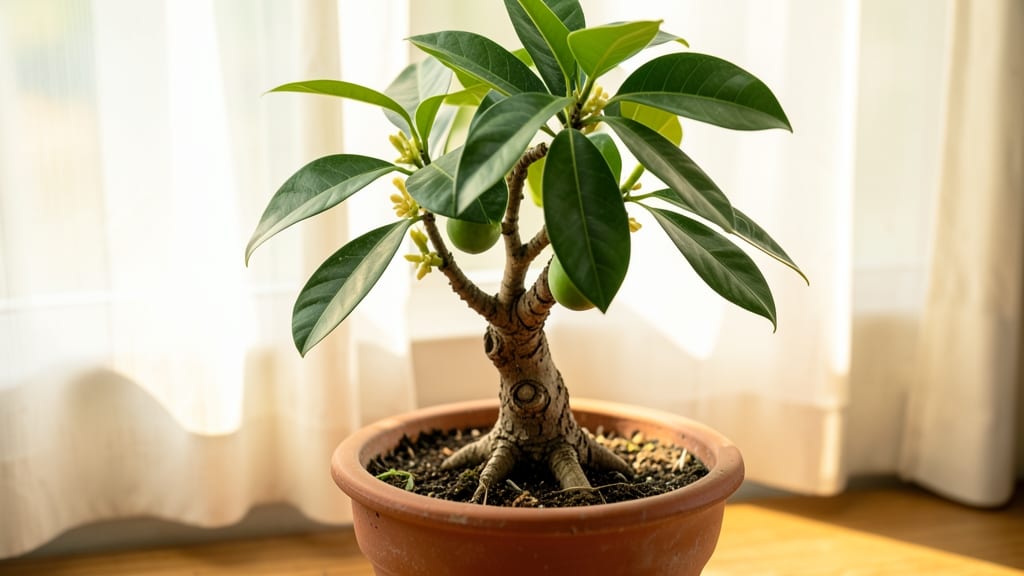
Growing a mango tree indoors lets you taste tropical fruit without a backyard. 🌱 My first attempt with a dwarf variety proved it's possible—even in apartments with just a sunny window. The key is choosing the right cultivar and mimicking its natural environment as closely as possible.
You'll need a dwarf variety like 'Cogshall' or 'Julie,' a 15-20 gallon container with drainage, and well-draining soil mixed with perlite. Temperature stays between 65-85°F, and humidity levels above 50% keep leaves from browning. A grow light bridges gaps when natural light falls short.
With patience, you'll see 3-5 foot trees bearing small fruit in 3-5 years. The sweet-tart flavor develops fully only with proper care, but even young trees reward you with glossy leaves and occasional blossoms. Prune in late winter to shape the tree and encourage branching.
Common challenges like leaf drop or pests get solved with regular misting and neem oil sprays. The biggest secret? Consistency. My tree thrives because I check soil moisture daily and adjust light as seasons change. Start small, and you'll be harvesting mangoes indoors before you know it.
📚 In This Guide
- What you need
- Instructions
- Tips and common mistakes
- Wrapping up and next steps
What you need
- ● Mango Tree: A dwarf or grafted variety (e.g., Mangifera indica ‘Cogshall’ or ‘Julie’). Look for a young sapling (1–3 feet tall) from a reputable nursery.
- ● Container: A 5–15 gallon pot (minimum 12" diameter) with drainage holes. Terracotta or fabric pots work best.
- ● Well-draining soil: A mix of 60% potting soil, 30% perlite or pumice, and 10% compost (or a pre-mixed cactus/succulent blend).
- ● Drainage tray or saucer: To catch excess water and prevent root rot.
- ● Fertilizer: A balanced liquid fertilizer (e.g., 10-10-10 or 5-5-5) or organic options like fish emulsion or worm castings.
- ○ Grow lights (optional but recommended): A full-spectrum LED grow light (12–16 hours/day) if natural light is limited (e.g., Samsung LM300 or Philips LED bulbs).
- ● Humidity tray or pebble tray: To maintain 50–70% humidity (especially in dry climates).
- ● Pruning shears: Sharp, clean scissors for trimming dead or overgrown branches.
- ● Rooting hormone: For propagating mango cuttings if you want to expand your tree collection.
- ● Soil moisture meter: To avoid over- or under-watering.
- ● Automatic timer: For grow lights or irrigation systems.
- ● Decorative elements: Pebbles, moss, or tropical-themed pots to enhance your indoor jungle vibe!
Step-by-step instructions for growing a mango tree indoors
Here's how to cultivate a thriving tropical mango tree in your home, even with limited sunlight.
🌱 Step 1: Select and Prepare the Right Container
Choose a 5-gallon or larger pot with drainage holes—mango trees need room for their extensive root systems. I prefer terracotta because it breathes and helps prevent overwatering. Fill the bottom third with coarse potting mix (like orchid bark or perlite) to improve drainage, then add 2-3 inches of high-quality potting soil enriched with compost.
Mango trees hate soggy roots, so the extra drainage layer prevents root rot. Tap the pot gently to settle the soil without compacting it too tightly. The goal is loose, aerated mix that mimics their natural tropical environment. If your pot lacks drainage, drill holes yourself—this is non-negotiable for indoor mango success.
☀️ Step 2: Position for Optimal Light Exposure
Place your mango tree near the brightest window—south or west-facing gets ideal 6-8 hours of indirect sunlight daily. If natural light is insufficient, supplement with a grow light positioned 12-18 inches away for 12-14 hours per day. Mango trees are light-hungry and will stretch toward any available source if deprived.
Rotate the pot quarter-turn weekly so all sides get even light exposure. You'll notice leaves leaning toward the light? That's your cue to adjust the plant's position immediately. Without proper light, new growth will be weak and pale, and the tree may never flower or fruit indoors.
💧 Step 3: Master the Watering Routine
Water when the top 2 inches of soil feel dry—stick your finger in to check. Mango trees need moderate moisture but cannot tolerate soggy conditions. I water deeply until it drains from the bottom, then empty the saucer to prevent root suffocation. During winter, reduce watering to every 10-14 days as growth slows.
Overwatering is the #1 killer of indoor mango trees. Yellowing leaves or drooping branches often signal root rot. If you see this, let the soil dry completely before watering again. A humidity tray with pebbles and water beneath the pot helps recreate their tropical environment without over-saturating the roots.
✂️ Step 4: Prune for Shape and Health
Prune in late winter or early spring before new growth begins. Remove any dead, diseased, or crossing branches first using sterilized pruning shears. Then shape the tree by cutting back overly long branches to encourage bushier growth. Never remove more than 25% of the foliage at once—this stresses the plant.
Here's the thing—mango trees flower on new wood, so regular pruning encourages flowering. After pruning, apply a balanced fertilizer (10-10-10) every 4-6 weeks during growing season. You'll see fresh, vibrant leaves within weeks—that's your reward for proper care. Save pruned branches in a paper bag for rooting if you want to propagate new trees.
🌿 Step 5: Encourage Flowering and Fruit Set
Mango trees need cool nights (60-65°F) and warm days (75-85°F) to flower. If your home stays too warm year-round, try placing the tree near an open window at night or use a small fan to create airflow. Once flowers appear, hand-pollinate by gently shaking branches to distribute pollen.
If fruit sets but falls off, your tree may need more nutrients. Switch to a high-phosphorus fertilizer (like 5-10-5) to support flowering. Be patient—indoor mango trees may take 3-5 years to bear fruit, but with consistent care, you'll eventually enjoy homegrown tropical harvests. Even if it never fruits, the lush foliage makes a stunning indoor statement plant.
Tips & tricks for perfect indoor mango tree cultivation
Here's what nobody tells you about keeping your tropical mango thriving indoors—details that make all the difference between a struggling plant and a lush, leafy beauty.
Container Selection: That 5-gallon pot recommendation isn't arbitrary—mango trees develop extensive root systems that need room to grow. If you're using a decorative pot without drainage, always nest it inside a cache pot with drainage holes. I've seen many people skip this step, only to watch their tree's roots suffocate. The extra drainage layer of coarse mix (like orchid bark) is your first line of defense against root rot, which is the silent killer of indoor mango trees.
Light Optimization: The 6-8 hours of indirect sunlight is non-negotiable, but here's the secret: position your tree where it gets morning sun and afternoon shade. Direct afternoon sun can scorch delicate leaves. If you're using a grow light, place it closer (12 inches) for the first 2-3 weeks to help the tree acclimate gradually. I've watched trees stretch dramatically toward a light source when they're suddenly moved to a brighter spot—this is called etiolation, and it's your plant's way of crying for help.
Temperature Management: Those cool nights (60-65°F) and warm days (75-85°F) create the perfect flowering conditions, but achieving this balance indoors can be tricky. If your home stays consistently warm, try placing a small fan near the tree at night to create airflow. I've had success with a simple oscillating fan set to low—it mimics natural breezes and helps regulate temperature without stressing the plant. The key is consistency; sudden temperature swings can cause flowers to drop before they set fruit.
Pruning Strategy: When you're shaping your tree in Step 4, focus on creating an open center that allows light to penetrate to the inner branches. This encourages more even growth and better air circulation, which reduces disease risk. I always save the pruned branches in a paper bag with slightly damp sphagnum moss—they root surprisingly well! Just place them in indirect light until roots form, then pot them up. This is how I've propagated several new trees from a single parent plant.
Pro Tips for Mango Tree Indoors
- Here's what nobody tells you about keeping your tropical mango thriving indoors—details that make all the difference between a struggling plant and a lush, leafy beauty.
- Container Selection: That 5-gallon pot recommendation isn't arbitrary—mango trees develop extensive root systems that need room to grow.
- Light Optimization: The 6-8 hours of indirect sunlight is non-negotiable, but here's the secret: position your tree where it gets morning sun and afternoon shade.
Frequently asked questions
Got questions about growing a mango tree indoors? You’re not alone—this tropical beauty comes with its own set of challenges and surprises! Here’s what readers ask most often, along with straightforward answers to help you thrive.
Can a mango tree actually bear fruit indoors?
A mango tree can produce fruit indoors, but it’s rare and requires perfect conditions: bright, indirect light (like a south-facing window), high humidity, and patience (3–5 years to mature). Most indoor mangoes stay ornamental, but with dedicated care, you might get small, edible fruit!
How long does it take for an indoor mango tree to grow?
Growth speed varies, but expect slow progress indoors. A dwarf variety (like ‘Cogshall’) may reach 6–10 feet in 5–10 years with ideal care. Leafy growth starts in months, but flowering/fruiting takes years—think of it as a long-term houseplant project!
Why are my mango tree’s leaves turning yellow?
Yellow leaves usually signal overwatering or nutrient deficiency. Check soil moisture (top inch should dry out), and fertilize monthly in spring/summer with a citrus/mango blend. Brown edges? Low humidity—mist leaves or use a pebble tray!
What’s the best indoor mango tree alternative for small spaces?
If mangoes seem too high-maintenance, try these low-light-friendly tropicals:
- Dwarf citrus (calamondin): Fragrant flowers, tiny oranges.
- Avocado tree: Hardy, fast-growing, and forgiving.
- Mealybug-resistant Schefflera: Lush foliage, zero fruit.
Do I need a grow light for an indoor mango tree?
Yes! If your space lacks 6+ hours of bright light daily, a full-spectrum LED grow light (12–14 hrs/day) is a game-changer. Place it 12–18 inches above the tree and adjust seasonally. Skip cheap bulbs—they won’t replicate sunlight’s spectrum.
Can I eat fruit from an indoor mango tree?
Technically yes, but expect underwhelming flavor. Indoor-grown mangoes lack the sun’s intensity to ripen fully, so they’ll be small, seedy, and less sweet. Treat them as novelty snacks or compost them to feed your plant! (Save money—buy grocery mangoes for the real deal.)
Wrapping up and next steps
Growing a mango tree indoors isn’t just a dream—it’s a rewarding adventure that brings a taste of the tropics right into your home! 🌱 With the right container, minimal light, and a little patience, you can nurture this vibrant plant and even enjoy homegrown fruit.
Whether you’re a beginner or a seasoned gardener, this guide gives you everything you need to thrive.
Ready to take the next step? Start with a healthy seedling or sapling and give it the love it deserves. Before you know it, you’ll be savoring the sweet, juicy reward of your own indoor mango harvest! 🍈✨