
Planting
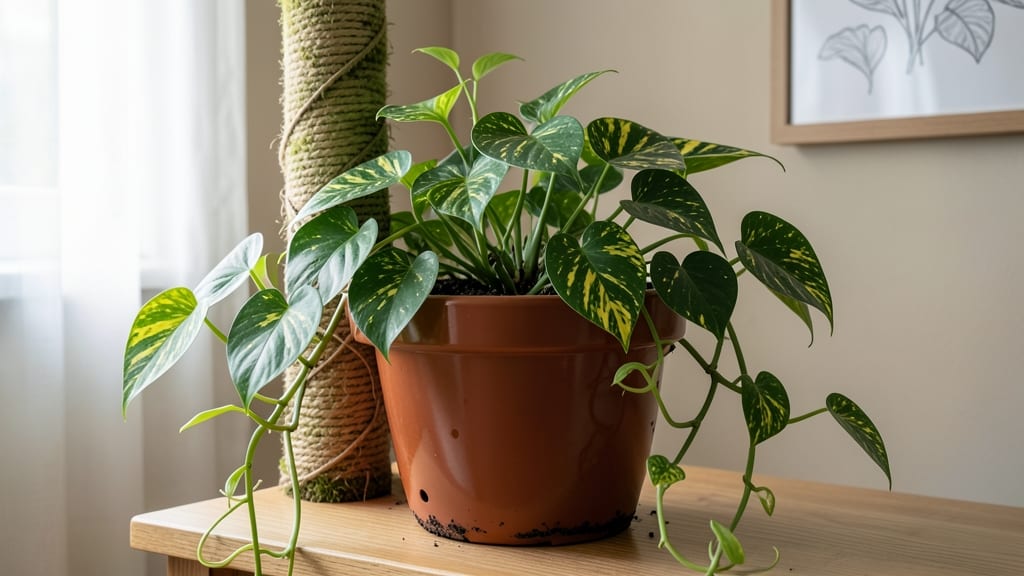
Growing a money plant indoors is the easiest way to bring luck and lush greenery to your space—even in dim corners. 🌱 I’ve kept mine thriving for years with just a few simple rules, and the secret isn’t complicated: it’s all about understanding what this plant actually needs (not what myths say).
The glossy leaves and trailing vines grow faster than you’d expect, especially when you nail the watering and light balance.
You’ll need a pot with drainage, well-draining soil, and a spot that gets bright but indirect light—think near a north-facing window or a few feet from a south-facing one. Water only when the top inch of soil feels dry, and avoid letting it sit in soggy soil.
The key is consistency: overwatering kills money plants faster than anything else. With the right setup, you’ll see new growth within weeks, and those iconic heart-shaped leaves will fill your space with energy.
Pruning is where most people mess up, but it’s actually the easiest part. Simply snip leggy stems to encourage bushier growth, and propagate the cuttings in water for free plants. My money plant now has three thriving offshoots from just one cutting—no fancy tools or expensive soil required.
The best part? It forgives mistakes, so even if you forget to water occasionally, it’ll bounce back like a champ.
This plant thrives in low-light conditions, making it perfect for offices, bathrooms, or any spot where sunlight is limited. Just avoid cold drafts and sudden temperature swings, and you’ll have a money plant that grows faster than your bank account (well, maybe not that fast).
Here’s how to keep it happy year-round without the guesswork.
📚 In This Guide
- What you need
- Instructions
- Tips and common mistakes
- Wrapping up and next steps
What you need
- ● Money Plant: 1 healthy cutting (4–6 inches long) or a young plant (3–5 feet tall) from a nursery or trusted seller.
- ● Well-draining potting mix: 1 bag (5–10 quarts) of a blend like cactus/succulent mix or add perlite/vermiculite (20–30%) to regular potting soil for aeration.
- ● Pot: 1 container (8–12 inches in diameter) with drainage holes. Terracotta or ceramic works best to prevent root rot.
- ● Watering can or spray bottle: 1 with a gentle spray nozzle for hydration.
- ● Rooting hormone: 1 small bottle (for faster propagation if using cuttings).
- ● Peat pellets or coconut coir: 1–2 pellets for moisture retention during propagation.
- ● Plant food: 1 balanced liquid fertilizer (e.g., 10-10-10) for occasional feeding.
- ● Humidity tray or pebbles: 1 tray + pebbles to boost humidity in dry climates.
- ● Support stake or trellis: 1 lightweight stake (for taller varieties).
Step-by-step instructions for growing a thriving money plant indoors
Here’s how to coax vibrant, fast-growing money plants from store-bought cuttings—no green thumb required.
🪴 Step 1: Select and Prepare a Healthy Cuttings
Choose a healthy money plant with at least 3-4 leaves and a 4-6 inch stem. Look for stems with small nodes—these are where roots will sprout. Use clean, sharp scissors to cut just below a node at a 45-degree angle for maximum rooting surface.
Let the cutting dry for 1-2 hours at room temperature. This callusing step prevents rot when you plant it. Place the cut end in a small glass of water or a jar of room-temperature water—just enough to cover the bottom 1 inch of the stem. Change the water every 3-4 days to keep it fresh.
💧 Step 2: Root in Water Until Ready for Soil
Place your cutting in bright, indirect light—a north-facing window works best. You’ll see tiny white root hairs within 1-2 weeks, and 1-inch roots in 3-4 weeks. Avoid direct sun, which can scorch the leaves and stress the plant before it’s established.
Once roots reach 2-3 inches, it’s time to move to soil. Gently rinse off any water residue to prevent fungal issues. This is the moment that matters: patience here means stronger roots later.
🪴 Step 3: Plant in Well-Draining Soil
Use a 4-6 inch pot with drainage holes and fill it with a mix of 50% potting soil and 50% perlite or orchid bark. This ensures fast drainage—money plants hate soggy roots. Gently place the rooted cutting into the pot and press the soil around the stem, leaving the leaves above the soil line.
Water lightly until it drains from the bottom. Place the pot in bright, indirect light again. You’ll know you’ve done it right when the soil stays slightly damp but never waterlogged. Overwatering now is the fastest way to kill a new plant.
☀️ Step 4: Establish Growth Routine
After 2-3 weeks, your money plant will start showing new growth. This is your signal to gradually introduce more light. Rotate the pot a quarter turn weekly so it grows evenly. If leaves start stretching toward the light, it’s getting too little—move it 6-12 inches closer to a brighter spot.
Water when the top inch of soil feels dry to the touch. Money plants store water in their leaves, so they’re drought-tolerant once established. Yellow leaves? You’re likely overwatering. Brown edges? It’s thirsty but needs time to drink.
✂️ Step 5: Prune and Propagate for Fullness
Once your plant reaches 6-8 inches tall, pinch off the top set of leaves to encourage bushier growth. This is where it gets fun—those pruned stems can become new plants! Simply place them in water to root, and you’ll have free baby money plants in weeks.
Every 3-4 months, fertilize lightly with a balanced liquid fertilizer (10-10-10) diluted to half strength. Money plants don’t need much—just enough to keep them happy without burning their roots. Real talk: less is more with these low-maintenance beauties.
Tips & tricks for thriving indoor money plants
Here's what nobody tells you about keeping your money plant lush and happy with minimal effort.
Cutting Angle Matters: That 45-degree angle isn't just for looks—it maximizes surface area for root growth. I used to cut straight across, and my plants took forever to root. The angled cut gives those tiny root hairs more real estate to grab onto.
Root Monitoring Secret: After those 3-4 weeks in water, check roots by gently tugging the cutting. If it resists slightly, roots are strong enough for soil. I learned this the hard way—waiting too long leads to transplant shock when you finally move it.
Soil Mix Hack: Skip the fancy mixes—just combine equal parts potting soil and perlite. The perlite creates air pockets that prevent soggy roots, which is money plants' biggest enemy. I keep a small bag of perlite on hand specifically for these plants.
Light Transition Tip: When you're ready to move your plant to brighter light, do it gradually over 5-7 days. Sudden bright light causes leaf scorch. I place my plants near a west-facing window first, then slowly move them toward south-facing light as they adjust.
Pro Tips for Money Plant Indoor
- Here's what nobody tells you about keeping your money plant lush and happy with minimal effort.
- Cutting Angle Matters: That 45-degree angle isn't just for looks—it maximizes surface area for root growth.
- Root Monitoring Secret: After those 3-4 weeks in water, check roots by gently tugging the cutting.
Frequently asked questions
Got questions about keeping your money plant thriving indoors? We’ve got answers!
Here are the most common queries—plus quick fixes to keep your leafy friend happy.
How often should I water my indoor money plant?
Water your money plant only when the top 1-2 inches of soil are dry—usually every 7-10 days. Overwatering is the #1 killer! Use a well-draining pot and let excess water drain away to avoid root rot. Pro tip: Stick your finger in the soil—if it’s damp, wait a day or two!
Why are my money plant leaves turning yellow?
Yellow leaves usually mean overwatering or poor drainage. Let the soil dry out completely between waterings, and repot in a mix with perlite or sand if needed. Brown edges? That’s often underwatering or low humidity—mist the leaves or place a tray of water nearby!
Can a money plant survive in low light?
Money plants are low-light heroes—they thrive in offices, bathrooms, or north-facing windows. However, for lushest growth, place it near bright, indirect light (like a kitchen or living room). Avoid harsh direct sun, which can scorch leaves.
What’s the best alternative if I can’t find a money plant?
Try these easy-care, low-light pals:
- Snake Plant – Nearly indestructible, great for beginners.
- ZZ Plant – Thrives in neglect and purifies air.
- Pothos – Fast-growing and forgiving of irregular watering.
- Cast Iron Plant – Handles shade and dry air like a champ.
How do I fix a money plant with brown, crispy leaves?
Crispy leaves = underwatering or dry air. Trim the damaged parts with clean scissors, then:
- Prune dead leaves to encourage new growth.
- Water deeply and keep soil moist (not soggy).
- Boost humidity with a pebble tray or humidifier.
With TLC, your plant will bounce back in weeks!
Wrapping up and next steps
Bringing a money plant indoors isn’t just about adding greenery—it’s a simple, rewarding way to boost your space with easy-care beauty. 🌿 Whether you’re a plant newbie or a seasoned grower, this low-light superstar thrives with minimal effort, making it the perfect companion for your home.
Now that you’re armed with care tips and answers to common questions, why not take the next step? Grab a pot, pick your favorite variety, and let your money plant grow into a thriving symbol of luck and tranquility!
Pro tip: Share your progress with us—tag #MoneyPlantJourney and watch your indoor jungle flourish! ✨