
Pruning
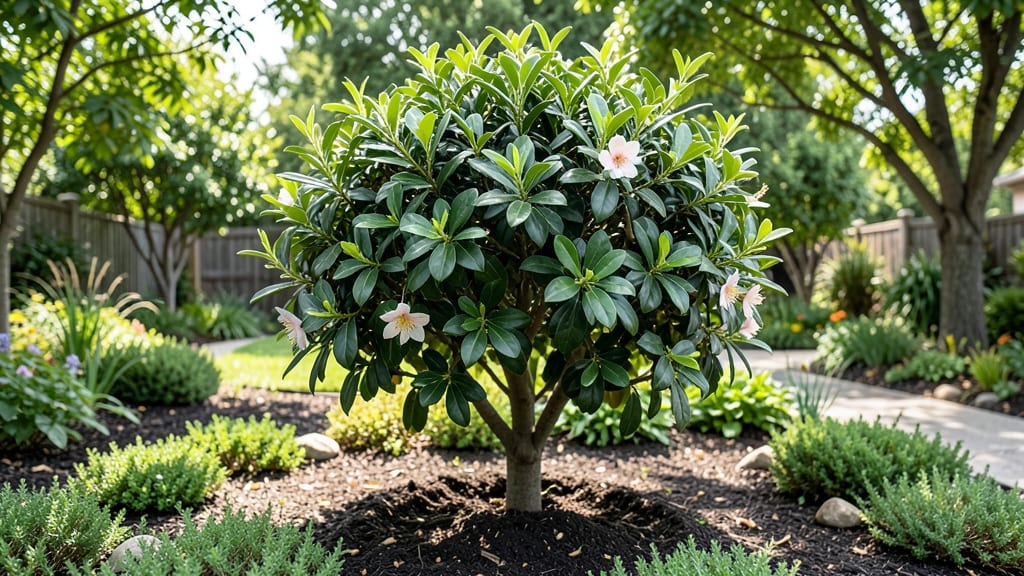
Growing an orange tree indoors that actually bears fruit takes patience—but it’s worth every wait. 🌱 I’ve watched my Meyer lemon tree go from a sad nursery sapling to a lush, fruiting branch machine, and the secret isn’t fancy equipment; it’s pruning for structure while keeping conditions just right.
That first harvest of tiny, sweet oranges? Unbeatable. The key is choosing a dwarf variety like Calamondin or Meyer lemon, which thrive in containers and adapt to indoor light. You’ll need a bright south-facing window (or a strong grow light) and a pot with drainage—no soggy roots here.
Humidity is your friend: mist leaves or use a pebble tray to mimic their tropical home. Prune in late winter to shape the tree and encourage new growth, always cutting just above a leaf node. By summer, you’ll see new shoots and—with luck—tiny blossoms.
Hand-pollinate with a soft brush if needed, and protect flowers from drafts. The first fruit might be small, but each one is a victory lap for indoor citrus growing. Patience pays off: a well-pruned tree can produce harvests for years. This works for any sunny indoor space—even apartments.
The trick is consistency: light, water, and pruning on a schedule. Let’s get those branches fruiting!
📚 In This Guide
- What you need
- Instructions
- Tips and common mistakes
- Wrapping up and next steps
What you need
- ● Pruning shears – Bypass pruners (sharp, clean, and sanitized) for clean cuts.
- ● Hand pruners – For smaller branches (test for sharpness first!).
- ● Rubbing alcohol (70% or higher) – 2 oz to sterilize tools between cuts.
- ○ Horticultural sealant (optional but helpful) – Small bottle (like Tree Seal) to prevent disease on larger cuts.
- ● Disposable gloves – 1 pair (nitrile or latex-free for sensitive skin).
- ● Newspaper or drop cloth – To catch debris and protect surfaces.
- ● Small container or bucket – For collecting pruned branches (compost or discard).
- ● Loppers – For thicker branches (if your tree is mature).
- ● Pruning saw – For very large limbs (rare for indoor trees).
- ● Plant food or fertilizer – Balanced citrus fertilizer to give your tree a post-prune boost.
- ● Spray bottle with water – To mist cuts and reduce stress on the tree.
- ● Notebook & pen – To sketch your tree’s shape or track growth progress.
Step-by-Step guide to pruning your indoor orange tree
Keep your citrus tree healthy and productive with these simple pruning techniques.
✂️ Step 1: Identify and Remove Dead or Diseased Branches
Start by examining your tree for any branches that look brown, brittle, or have blackened spots—these are dead or diseased and need immediate removal. Use clean, sharp pruning shears to cut just above a leaf node or outward-facing bud. You'll see a small bump or swelling where new growth can emerge.
I always disinfect my shears with rubbing alcohol between cuts to prevent spreading any potential infections. If a branch is larger than ½ inch in diameter, make the cut at a 45-degree angle about ¼ inch above the node to prevent water from pooling and rotting the wound.
✂️ Step 2: Thin Out Crowded Growth for Better Airflow
Look for areas where branches are growing too close together, blocking light and airflow. These crowded spots create ideal conditions for pests and fungal diseases. Select one of the competing branches to remove—usually the weaker or smaller one—and cut it back to the main stem or a strong side branch.
Your goal is to maintain an open, vase-like shape that allows sunlight to reach all parts of the tree. You'll notice new shoots emerging from the sides within 2-4 weeks—this is your signal that the tree is responding well to the pruning.
✂️ Step 3: Shape the Tree for Optimal Fruit Production
Indoor orange trees produce the most fruit when they have a balanced, open structure. Focus on removing branches that grow inward or cross over others—these compete for sunlight and nutrients. Cut back to a point where the remaining branch can continue growing outward and upward.
Leave at least 3-4 main branches to encourage a sturdy framework. Prune just above a leaf node that faces outward, which helps the tree grow in a more natural, spreading shape. Avoid cutting back more than ⅓ of the tree’s foliage in one session, as this can stress the plant.
💧 Step 4: Encourage New Growth with Light Pruning
After removing larger branches, give the tree a light trim to encourage bushier growth. Look for smaller branches that are growing straight up—these can be pinched back just above a leaf node to promote side shoots. This step is especially important if your tree has become leggy or sparse.
Water the tree deeply after pruning to help it recover. Place it in a spot with bright, indirect light for a few days to reduce stress. You’ll see new leaves emerging within 3-6 weeks, signaling that the tree is healing and preparing for another round of growth.
⏰ Step 5: Schedule Regular Maintenance Pruning
Prune your indoor orange tree every 3-4 months to maintain its shape and encourage continuous fruit production. Focus on removing any suckers (shoots growing from the base or trunk) and any branches that are growing too long or thin. This keeps the tree compact and manageable.
In late winter or early spring, give the tree a light pruning to remove any dead wood and shape it for the growing season ahead. This is also a good time to fertilize lightly to support new growth. With consistent care, your tree will reward you with year-round blooms and fruit.
Tips & tricks for pruning your indoor orange tree
Here's what nobody tells you about keeping your citrus tree thriving after the cut—these tricks make all the difference.
Tool Prep Matters: Before you even touch your tree, disinfect your pruning shears with rubbing alcohol. I learned this the hard way after my tree developed a fungal infection from using the same shears on other plants. For branches larger than ½ inch, make that 45-degree cut about ¼ inch above the node—this prevents water from pooling and rotting the wound. A clean cut also heals faster, so take your time here.
The 2-4 Week Growth Window: After thinning crowded branches in Step 2, you’ll see new shoots emerge within 2-4 weeks. This is your tree’s way of telling you it’s happy! Look for these little green signals—they mean you’ve improved airflow and sunlight distribution. If you don’t see new growth after 4 weeks, your tree might need more light or a light fertilizer boost.
Shape with Purpose: When shaping in Step 3, think of your tree like a vase—open at the top, wider at the base. Remove any branches growing inward or crossing others, and always cut just above an outward-facing bud. This encourages the tree to grow in a natural, spreading shape that maximizes fruit production. Leaving at least 3-4 main branches gives your tree a sturdy framework to support those citrus treasures.
Stress Reduction After Pruning: After your session, water deeply and move the tree to bright, indirect light for a few days. This helps it recover from the shock of pruning. You’ll notice new leaves appearing in 3-6 weeks—this is your reward for giving your tree the care it needs to bounce back stronger than ever.
Pro Tips for Orange Tree Indoor
- Here's what nobody tells you about keeping your citrus tree thriving after the cut—these tricks make all the difference.
- Tool Prep Matters: Before you even touch your tree, disinfect your pruning shears with rubbing alcohol.
- The 2-4 Week Growth Window: After thinning crowded branches in Step 2, you’ll see new shoots emerge within 2-4 weeks.
Frequently asked questions
Got questions about growing an orange tree indoors? You’re not alone! Here are some of the most common concerns—and their solutions—to keep your citrus thriving year-round.
Can I grow an orange tree indoors from seed?
Yes, but expect a long wait! Seeds take 5–10 years to bear fruit. For faster results, opt for a dwarf citrus variety (like ‘Calamondin’ or ‘Meyer lemon’) or buy a young grafted tree from a nursery. Patience pays off—literally!
How often should I prune my indoor orange tree?
Prune 2–3 times a year to shape the tree and encourage fruit production:
- Spring: Remove dead/diseased branches and thin out crowded growth.
- Summer: Light trimming to maintain airflow (critical for disease prevention).
- Late fall/early winter: Prune for structure before dormancy.
Why aren’t my indoor orange tree’s leaves turning orange?
Orange leaves usually signal nutrient deficiency (often nitrogen) or overwatering. Check these fixes:
- Switch to a citrus-specific fertilizer (high in nitrogen) every 4–6 weeks in spring/summer.
- Ensure the pot has drainage holes and let the top 1–2 inches of soil dry between waterings.
- Boost light: Move to a south-facing window or use a grow light 12+ hours/day.
Will my indoor orange tree ever produce fruit?
Yes! With the right care, dwarf varieties can bear fruit in 3–5 years. To encourage blooms:
- Provide 12+ hours of sunlight daily (grow lights help in low-light spaces).
- Mimic seasonal changes: Reduce watering in winter and avoid fertilizing during dormancy.
- Hand-pollinate flowers with a soft brush if bees aren’t visiting.
What’s the best alternative if I can’t grow a real orange tree indoors?
No space or time? Try these low-maintenance citrus doubles:
- Calamondin orange: Tiny, fragrant, and thrives indoors (even in small pots!).
- Meyer lemon: Fast-growing, cold-hardy, and produces edible fruit.
- Dwarf ponkan mandarin: Compact with sweet, juicy fruit—perfect for apartments!
Wrapping up and next steps
Growing an orange tree indoors is a rewarding journey that combines patience, care, and a little green thumb magic! 🌱 With the right pruning techniques—like thinning out dense branches, shaping for airflow, and encouraging fruit-bearing growth—you’ll unlock a year-round harvest of sweet, homegrown citrus.
Remember, consistency is key: regular trims keep your tree healthy, happy, and productive.
Ready to take the next step? Start small—pick one branch to practice your cuts, then gradually expand your pruning skills.
Before you know it, you’ll be the proud owner of a thriving indoor orange tree, bursting with vibrant blooms and juicy fruit. Now grab those shears and get pruning! 🍊✨