
Container Gardens
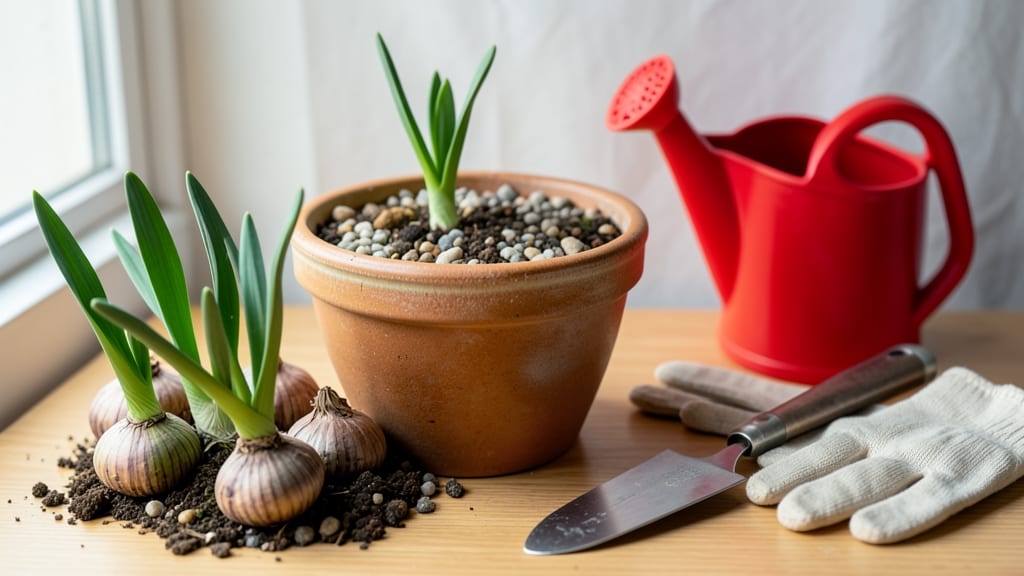
Planting hyacinth bulbs indoors transforms your winter into a fragrant escape—just eight weeks of patience brings sweet perfume into your home. 🌱 I’ve turned my kitchen counter into a blooming wonderland by following a few key steps that prevent moldy soil and leggy stems.
The secret lies in the right pot, soil, and light balance, not some mysterious gardening magic. You’ll need just three simple supplies: a 6-inch-wide pot with drainage, well-draining potting mix, and firm bulbs (no soft spots!).
Plant them pointy-end up, leaving the top third exposed—this prevents rot and encourages strong roots. Most bulbs bloom within 6-8 weeks when kept cool (60-65°F) and bright, but not in direct sun. Once blooms appear, the scent fills the room like a spring breeze—no greenhouse required.
Just keep the soil lightly moist (not soggy) and rotate the pot weekly for even growth. The real trick? Avoid overwatering, which causes mold, and watch for yellow leaves—this means too much light or water. This method works for any windowsill, from sunny kitchens to north-facing living rooms.
Even apartment dwellers can grow these showstoppers—just follow the steps, and you’ll have fragrant blooms by Valentine’s Day. Ready to try?
📚 In This Guide
- What you need
- Instructions
- Tips and common mistakes
- Wrapping up and next steps
What you need
- ● Hyacinth bulbs: 1–3 bulbs per container (choose from varieties like ‘Delft Blue,’ ‘Anna Marie,’ or ‘Pink Pearl’ for vibrant colors).
- ● Well-draining potting mix: 1–2 gallons, formulated for bulbs or amended with perlite/vermiculite (avoid heavy garden soil!).
- ● Pot or container: 6–8 inches deep with drainage holes (ceramic, terracotta, or plastic—your call!).
- ● Pebbles or gravel: Small stones for drainage at the pot’s base (½ inch layer).
- ● Watering can or spray bottle: For gentle hydration (no soggy bulbs!).
- ○ Gloves (optional): To keep hands clean while handling bulbs.
- ● Trowel or spoon: For planting and mixing soil.
- ○ Fertilizer (optional): Balanced bulb fertilizer (5-10-10) or a slow-release pellet.
- ○ Decorative stones/mulch (optional): For a polished look after planting.
Step-by-Step instructions for planting hyacinth bulbs indoors
Here's how to coax those fragrant blooms indoors—no greenhouse needed.
🪴 Step 1: Select and Prepare Your Containers
Choose shallow pots with drainage holes—hyacinths hate soggy roots. I prefer 6-inch diameter pots for a single bulb, or a long, narrow container for multiple bulbs planted 2 inches apart. The key is ensuring the bulb sits ⅔ above soil level for proper growth. If using a decorative pot without drainage, place it inside a saucer filled with pebbles to catch excess water.
Fill the container with well-draining potting mix (avoid garden soil—it compacts and suffocates roots). Press it down lightly so the surface is firm but not packed. The mix should feel like a damp sponge when squeezed—if water drips out, it's too wet. Hyacinths thrive in loose, aerated soil that mimics their natural forest floor habitat.
🌱 Step 2: Plant the Bulbs at the Right Depth
Place the bulb in the pot with its nose (pointy end) facing up. The base should sit just below the rim—this ensures the stem has room to grow without bending. For 4 bulbs, arrange them in a circle around the pot's edge, leaving 1 inch between each. Press the soil around the bulbs gently to secure them without compacting.
Here's the thing—hyacinths need cold to bloom, but we're cheating by forcing them indoors. After planting, place the pot in a dark, cool spot (like a closet or basement) where temperatures stay between 40-50°F. This mimics winter dormancy and triggers flowering. Keep the soil slightly moist but never soggy—water only when the top inch feels dry to the touch.
☀️ Step 3: Force the Bulbs Into Blooming (The Patience Phase)
After 8-10 weeks in the dark, you'll see a 1-inch green shoot—this is your signal to move the pot to bright, indirect light. A north-facing window works best, but avoid direct sun, which can scorch the tender leaves. If your space lacks natural light, supplement with a grow light kept 6-8 inches above the pot for 12 hours daily.
Watch for buds forming—this usually happens 2-3 weeks after moving to light. The buds will start as tiny green nubs, then swell and turn pink or purple. Resist the urge to water heavily now. Overwatering at this stage causes the stems to flop or rot. Instead, water every 7-10 days, letting the top 2 inches of soil dry out between waterings.
💧 Step 4: Care for Blooming Hyacinths
Once buds open, move the pot to a cool, bright spot (like a windowsill away from heat vents). Hyacinths release their sweetest fragrance in morning sunlight, so position them where they'll get 4-6 hours of indirect light daily. The blooms last 2-3 weeks—to extend their life, trim spent flowers but leave the foliage until it yellows naturally. This allows the bulb to store energy for next year.
After blooming, keep the pot in bright light and water sparingly (only when soil is dry). In late spring, you can replant the bulb outdoors in a garden bed if your climate allows. If you're in a warm zone, keep it indoors near a window until fall, then return it to the dark/cool treatment to rebloom next winter.
⏰ Step 5: Post-Bloom Care (For Repeat Blooms)
If you want your hyacinth to rebloom next year, do not cut the leaves until they turn completely yellow and crispy. The foliage feeds the bulb, storing energy for next season's flowers. Once the leaves die back, remove them and store the pot in a dry, dark place until late fall (about 8 weeks before you want blooms). Repeat the forcing process, and you'll have another round of fragrant blooms.
Real talk: Most people toss the bulbs after one bloom, but with a little patience, you can get years of flowers from a single bulb. Just remember—cold + darkness = blooms, and light + warmth = growth. The secret is timing those phases perfectly.
Tips & tricks for perfect indoor hyacinth blooms
Here's what I've learned after forcing dozens of hyacinths—these little tricks make all the difference between a sad, wimpy stem and a glorious, fragrant display.
Container Selection: Avoid decorative pots without drainage unless you're willing to babysit them constantly. I've seen bulbs rot in just days when trapped in soggy soil. For a dramatic display, use a shallow glass bowl with pebbles underneath—it creates a stunning visual while still allowing drainage. The key is that the bulb's base should always remain dry, so never let water pool at the bottom.
Soil Moisture Matters: The "damp sponge" test in Step 1 is non-negotiable. Overwatering during the dark phase (40-50°F) tricks bulbs into thinking it's spring, and they'll produce weak, spindly stems instead of strong blooms. I use a spray bottle to mist the soil lightly—just enough to keep the top inch moist, no more. During the light phase, let the top 2 inches dry out completely between waterings to prevent stem rot.
Light Transition Timing: That 8-10 week dark period is critical, but don't rush the move to light. When you finally see the 1-inch shoot, wait another 2-3 days before moving to bright indirect light. This gradual transition prevents shock. For grow lights, I use a simple LED bulb on a timer—just 12 hours a day is enough, but don't skimp on the 6-8 inch distance. Too close and you'll scorch those delicate leaves.
Post-Bloom Strategy: Most people make the mistake of cutting leaves too soon after blooming. The foliage needs 6-8 weeks to fully yellow and feed the bulb for next year's flowers. I mark the date on my calendar when I plant them so I remember to wait until late spring before replanting outdoors or returning to dormancy. This patience pays off with bigger, more abundant blooms the following winter.
Pro Tips for Planting Hyacinth Bulbs Indoors
- Here's what I've learned after forcing dozens of hyacinths—these little tricks make all the difference between a sad, wimpy stem and a glorious, fragrant display.
- Container Selection: Avoid decorative pots without drainage unless you're willing to babysit them constantly.
- Soil Moisture Matters: The "damp sponge" test in Step 1 is non-negotiable.
Frequently asked questions
Got questions?
Here are answers to the most common queries about growing hyacinths indoors—so you can enjoy their sweet scent without the guesswork!
When is the best time to plant hyacinth bulbs indoors?
Plant hyacinth bulbs 6–8 weeks before your first frost (typically October–November in most climates). This timing ensures they’ll bloom by late winter or early spring. If you miss the window, don’t worry—just adjust your lighting (12+ hours of light daily) to mimic natural daylight.
Do hyacinth bulbs need cold treatment (vernalization) to bloom?
Yes! Hyacinths require a cooling period (6–8 weeks at 40–50°F) to trigger blooming. If your home stays warm, place the potted bulbs in a garage or refrigerator (not the freezer!) for 8–10 weeks before moving them back to a sunny spot. Skip this step, and you might get leaves—but no flowers!
Can I reuse hyacinth bulbs after they bloom indoors?
After blooming, keep the bulbs in their pot and place them in a sunny window. Reduce watering, then move them outdoors in spring (after last frost) for 6–8 weeks to recharge. Dig them up in fall, store in a cool, dry place, and replant the following year. Repeat for years of blooms!
What if my hyacinth bulbs aren’t growing or flowering?
Check these fixes:
- Light: Move to a brighter spot (south-facing window or grow lights).
- Water: Keep soil moist but not soggy—overwatering can rot bulbs.
- Cold shock: If skipped, try chilling the pot in the fridge for 6 weeks.
- Patience: Some bulbs take 10–12 weeks to show sprouts.
Are hyacinths toxic to pets or kids?
Yes, hyacinths are toxic if ingested due to oxalates, which can cause vomiting, drooling, or skin irritation. Keep them out of reach of curious pets and children. If accidental exposure occurs, contact your vet or poison control immediately. Opt for pet-safe alternatives like African violets or spider plants if needed.
Wrapping up and next steps
Planting hyacinth bulbs indoors is a rewarding way to bring vibrant color and intoxicating fragrance to your home during the colder months. With just a few simple steps—picking the right bulbs, preparing containers, and providing consistent care—you’ll enjoy stunning blooms in just 8 weeks! 🌸
Now that you’re ready to start, why not share your progress? Snap photos of your blooming hyacinths and tag us—we’d love to see your fragrant success! For even more indoor gardening inspiration, explore our container garden guide next.