
Container Gardens
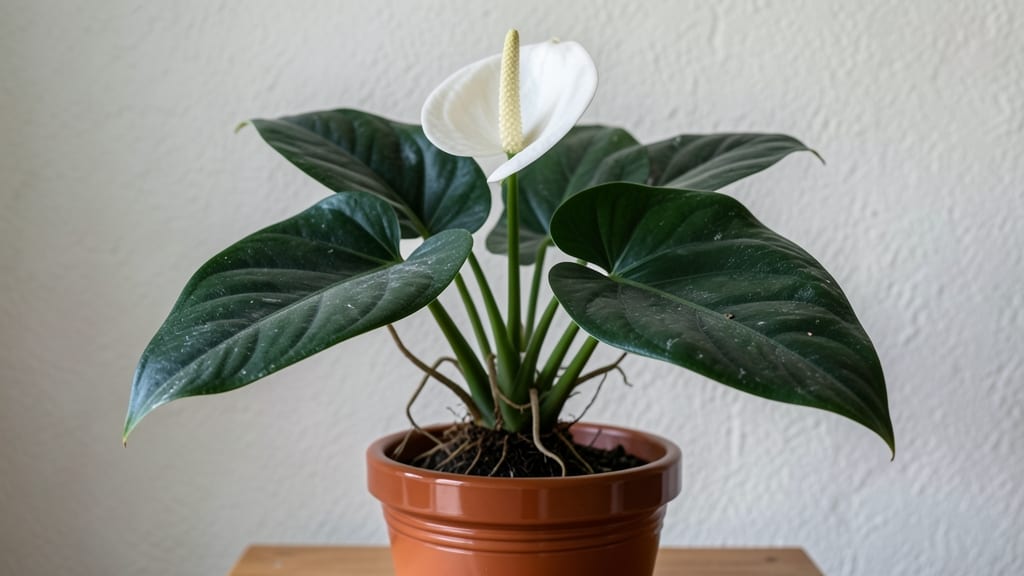
Year-round beauty starts with the right potted indoor flowers—my peace lilies and spider plants have been thriving for years, and I’ll show you how to keep yours lush too. The secret isn’t complicated: it’s about matching plants to your light, watering wisely, and mastering pruning to encourage fuller growth.
Most people overwater or underlight, which is why so many indoor flowers struggle. Let’s fix that.
Begin with plants that love indoor conditions: snake plants for low light, African violets for bright spots, or orchids for humidity lovers. A 5-7 gallon pot with drainage holes is ideal, and well-draining soil prevents root rot.
Place your plants where they’ll get 6-8 hours of indirect light—near east or north windows works best. Water only when the top inch of soil feels dry, and always use room-temperature water to avoid shocking the roots.
Pruning isn’t just about looks—it’s how you keep your flowers healthy and blooming. Pinch back leggy stems, remove dead leaves, and trim spent blooms to encourage new growth.
My spider plants now grow fuller and greener because I prune them every 4-6 weeks, and the same rule applies to ferns and philodendrons. You’ll notice a difference in just a few weeks: thicker foliage, more blooms, and plants that look like they belong in a botanical garden.
Even the trickiest indoor flowers can thrive with these basics. Adjust for your space—add a grow light for dim corners, use pebble trays for humidity, or rotate pots for even growth.
The key is consistency: stick to the routine, and your potted flowers will reward you with vibrant, year-round beauty. Let’s get started!
📚 In This Guide
- What you need
- Instructions
- Tips and common mistakes
- Wrapping up and next steps
What you need
- ● Potted indoor flowers: Choose 1–3 plants (e.g., snake plants, pothos, or peace lilies) based on your space and light conditions.
- ● Well-draining pots: 1–2 pots (6–12 inches in diameter), with drainage holes. Terracotta or ceramic works best.
- ● Quality potting mix: 1–2 bags of indoor plant-specific soil (avoid garden soil—it’s too dense!).
- ● Drainage material: Small pebbles or perlite (1 cup) to improve aeration.
- ● Pruning shears: 1 pair (sterilized with rubbing alcohol to prevent disease).
- ● Watering can or spray bottle: 1 (for gentle hydration).
- ○ Glove (optional): 1 pair (to protect hands from soil or thorns).
- ● Measuring cup: 1 (for precise watering or fertilizer mixing).
- ● Fertilizer: Slow-release granules or liquid feed (balanced 10-10-10 or organic options).
- ● Self-watering system: A wick or moisture meter for low-maintenance care.
- ● Decorative cache pots: 1–2 (to match your home’s style).
- ● Grow lights: LED or fluorescent (if natural light is limited).
Step-by-step instructions for growing thriving potted indoor flowers
Here's how to keep your potted flowers lush and blooming all year with simple, proven care.
Choose the Right Containers and Soil Mix
Select pots with drainage holes—waterlogged roots kill indoor flowers faster than anything. I recommend terracotta for breathability or ceramic for moisture retention, depending on your flower type. Use a lightweight potting mix designed for indoor plants, avoiding garden soil which compacts and suffocates roots.
Fill each pot to within 1 inch of the rim with fresh mix. Press gently to remove air pockets but don't compact it—roots need room to breathe. For your 4 plants, divide the mix evenly between containers, leaving space for root growth. The right soil holds moisture without staying soggy, which is key for indoor blooms.
Plant with Proper Spacing and Light Requirements
Follow each flower's spacing needs—crowding leads to weak stems and fewer blooms. Most indoor flowers need 3-4 inches between plants in a 6-inch pot. Place your plants at the same depth they were in their nursery pots to avoid stressing the roots.
Position your pots where they'll get 6-8 hours of bright indirect light daily. South-facing windows work best, but avoid harsh afternoon sun which can scorch leaves. If natural light is limited, supplement with a grow light kept 12 inches above plants. You'll know the light is right when new leaves emerge with vibrant color—not pale or stretched.
Establish a Consistent Watering Routine
Water when the top inch of soil feels dry to touch—this prevents both underwatering and root rot. Use room-temperature water to avoid shocking the plants. I like to water thoroughly until it drains from the bottom, then empty the saucer after 10 minutes to prevent sitting water.
Most indoor flowers prefer humidity around 40-50%. Grouping pots together creates a microclimate, but add a pebble tray with water if your home runs dry. Watch for wilting leaves—this is your first sign to water, but check soil moisture first. Overwatering kills more houseplants than underwatering, so err on the dry side until you learn your plants' needs.
Master Pruning for Continuous Blooms
Deadhead spent blooms by pinching off flowers at the base with clean scissors. This redirects energy to new growth and encourages more flowers. I prune in the morning when plants are hydrated—you'll see fresh buds forming within 2-3 weeks.
Trim leggy stems back by one-third to promote bushier growth. Always cut just above a leaf node where new growth can emerge. For flowering plants, avoid heavy pruning during bloom time—save major shaping for late winter when growth slows naturally. Regular pruning keeps your plants compact and full, not stretched and sparse.
Feed and Maintain Seasonal Care
Use a balanced 10-10-10 fertilizer diluted to half-strength every 4-6 weeks during growing season. In winter, cut back to monthly feeding or use a slow-release fertilizer. I always water first to prevent root burn from concentrated fertilizer.
Rotate pots weekly so all sides get even light exposure. Dust leaves gently with a damp cloth monthly—they need to breathe! Watch for pests like spider mites on the undersides of leaves. Isolate affected plants immediately and treat with insecticidal soap. With consistent care, your indoor flowers will reward you with vibrant blooms all year long.
Tips & tricks for perfect potted indoor flowers
Here's what nobody tells you about keeping your indoor blooms thriving all year long.
Container Selection: Terracotta pots are best for plants that need to dry out between waterings, like succulents or cacti, while ceramic works better for moisture-loving varieties. The key is matching the pot material to your plant's natural habitat—this prevents root rot or dehydration. Always check for drainage holes before planting, as waterlogged roots are the silent killer of indoor flowers.
Lighting Strategy: That 6-8 hours of bright indirect light is non-negotiable for most flowering plants. If your home lacks natural light, invest in a full-spectrum LED grow light placed 12 inches above your plants. I've seen dramatic improvements in bloom production just by adding grow lights—especially in winter when daylight is scarce. Rotate your pots weekly so all sides get even exposure, preventing lopsided growth.
Watering Wisdom: The top inch of soil test is your best friend. Stick your finger in the soil—if it feels dry, it's time to water. Overwatering is the number one cause of indoor plant failure, so always empty saucers after 10 minutes to prevent soggy roots. For humidity-loving plants, group pots together or use a pebble tray with water underneath to create a microclimate that mimics their natural environment.
Pruning Mastery: When you deadhead those spent blooms, you're not just cleaning up—you're sending a message to the plant to produce more flowers. I prune in the morning when plants are hydrated, and I always use clean scissors to avoid spreading disease. For leggy stems, cutting back by one-third encourages bushier growth, but save major pruning for late winter when the plant's natural growth cycle slows down.
Pro Tips for Potted Indoor Flowers
- Here's what nobody tells you about keeping your indoor blooms thriving all year long.
- Container Selection: Terracotta pots are best for plants that need to dry out between waterings, like succulents or cacti, while ceramic works better for moisture-loving varieties.
- Lighting Strategy: That 6-8 hours of bright indirect light is non-negotiable for most flowering plants.
Frequently asked questions
Got questions about keeping your potted indoor flowers thriving? You’re not alone—here are answers to the most common queries to help you master year-round beauty!
How often should I water my potted indoor flowers?
Watering depends on the plant and pot size, but most thrive with moisture when the top 1–2 inches of soil feel dry. Overwatering is a bigger risk than underwatering—stick your finger in the soil to check! Pro tip: Use pots with drainage holes to prevent root rot.
When is the best time to prune my indoor flowers?
Prune dead or yellowing leaves anytime, but wait until spring or early summer for major shaping. This encourages new growth when your plant is most active. Always use clean, sharp scissors to avoid damaging stems. Bonus: Pinch back leggy growth to promote bushier blooms!
How much light do indoor flowers really need?
Light needs vary—most thrive near east or west windows (4–6 hours of indirect light daily). If leaves yellow or stretch (etiolation), it’s a sign of too little light. For low-light spots, choose snake plants, ZZ plants, or pothos—they’re tougher! Troubleshoot: Rotate pots weekly for even growth.
What should I do if my indoor flowers get pests?
Start with neem oil or insecticidal soap for common pests like spider mites or aphids. Isolate the plant and wipe leaves with a damp cloth. Prevent future issues by avoiding overwatering (pests love damp soil!) and inspecting new plants before bringing them inside. Warning: Quarantine heavily infested plants immediately.
Can I keep indoor flowers in small apartments without natural light?
Opt for low-light champions like peace lilies, cast iron plants, or philodendrons. Supplement with a grow light (12–16 hrs/day) if needed—just keep it 6–12 inches away. Grouping plants together also creates a microclimate with shared humidity! Hack: Place pots on books to improve air circulation.
Wrapping up and next steps
Bringing the beauty of potted indoor flowers into your home isn’t just about aesthetics—it’s a rewarding journey of care and creativity! 🌿 With the right tools, techniques, and a little patience, you’ll master the art of pruning and nurturing these green companions year-round.
Start small, experiment with different varieties, and soon, your space will bloom with confidence.
Ready to level up your indoor garden? Pick one plant to focus on this week—whether it’s a fussy fern or a bold blooming beauty—and give it the love it deserves. Your future floral masterpiece is just a snip away! ✂️