
Planting
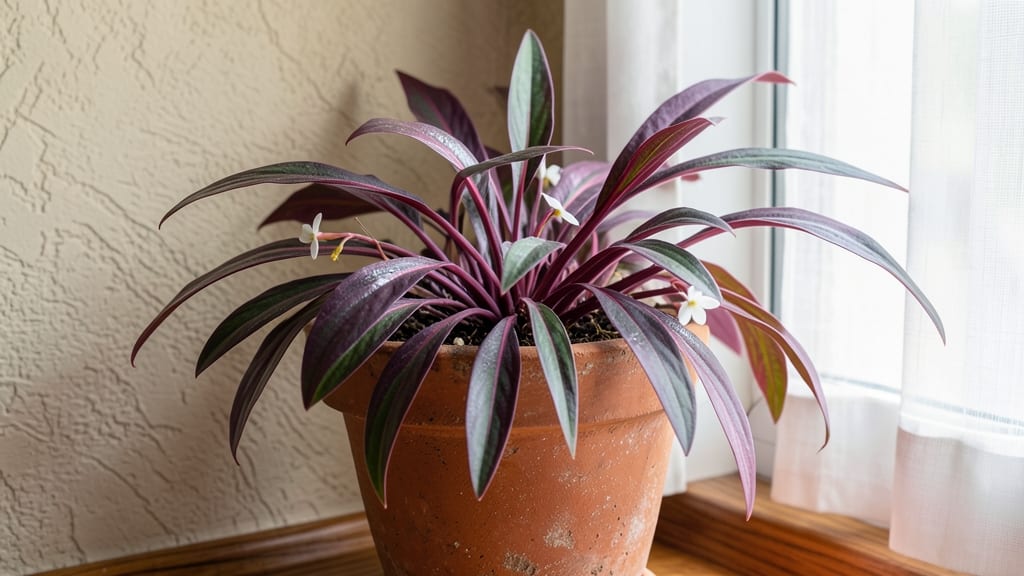
For a purple heart plant to thrive indoors or outdoors, it needs bright, indirect light indoors and partial shade outdoors in warm climates. This adaptable plant handles containers or garden beds well, but its frost sensitivity means outdoor growth is limited to frost-free zones.
The purple heart plant's versatility comes from its ability to handle different light conditions, but the key difference between indoor and outdoor care lies in sunlight intensity. 🌿 Indoors, it tolerates bright indirect light near east-facing windows, while outdoors it thrives in dappled shade to prevent leaf scorch.
I've found that indoor plants develop deeper purple hues with proper light exposure, while outdoor plants may show more green unless given afternoon shade. The plant's natural drought tolerance makes it low-maintenance once established, but consistent moisture is crucial during its first growing season.
Outdoor purple heart plants need protection from harsh winter conditions, as even a light frost can damage the foliage. In cooler climates, I recommend bringing potted plants indoors before temperatures drop below 40°F, or providing thick mulch and frost cloth for in-ground specimens.
The plant's trailing habit makes it perfect for hanging baskets or ground cover, but its rapid growth means regular pruning is needed to maintain shape and encourage bushier growth patterns.
💡 In This Article
- Purple Heart Plant Light Requirements Explained
- Best Purple Heart Plant Care for Indoor and Outdoor Setups
Purple heart plant light requirements explained
The purple heart plant, scientifically known as Tradescantia pallida, thrives on bright, indirect light that mimics its natural understory habitat in Central America. Indoors, place it within 3-6 feet of an east or west-facing window where it receives 4-6 hours of filtered sunlight daily.
Direct midday sun can cause leaf bleaching, while too little light results in pale, green foliage instead of the vibrant purple.
The plant's deep purple hues come from anthocyanin pigments that intensify under moderate light conditions—think of it like a natural sunscreen that protects the leaves while creating that striking color.
Outdoors, this plant performs best in partial shade with morning sun exposure, particularly in zones 9-11 where temperatures stay above 40°F year-round. The key difference from indoor care is managing afternoon sun—even 2-3 hours of direct afternoon rays can scorch the leaves, creating crispy brown edges.
I've noticed that outdoor plants in dappled shade under trees develop the most intense purple foliage because the light is diffused but still abundant. For container growers, rotate pots every 2-3 weeks to ensure even light exposure on all sides.
Seasonal adjustments are critical for maintaining that vibrant purple color. During winter months when daylight hours decrease, supplement with a grow light 6-8 inches above the plant for 12-14 hours daily to prevent etiolation (stretched, weak growth).
The plant's natural growth habit is trailing, so proper light exposure encourages bushier growth rather than leggy stems.
Watch for these light stress signs: yellowing leaves indicate too much direct sun, while pale green foliage means it needs brighter conditions. 💜 The ideal balance creates that perfect deep purple color that makes this plant so popular.
Light intensity also affects the plant's growth rate. Under optimal conditions, purple heart can grow 12-18 inches annually, but in low-light situations, growth slows dramatically. The plant's leaves contain mucilage—a gel-like substance that helps retain moisture—but this same compound makes the leaves more sensitive to light fluctuations.
When moving plants between indoor and outdoor spaces, acclimate them gradually over 7-10 days to prevent shock from sudden light changes. This slow transition period allows the plant's photosynthetic machinery to adjust without damage.
For those in cooler climates considering outdoor growth, remember that purple heart is not frost-tolerant. Even a light frost (32°F) can cause irreversible damage to the foliage.
The plant's native tropical origins mean it thrives in 65-85°F temperature ranges, making it perfect for container gardening where you can easily move it indoors during winter months.
This adaptability is what makes it such a versatile houseplant—it can handle indoor light variations while still delivering that stunning purple foliage that gardeners love.
One pro tip I've learned from years of growing purple heart: use a light meter to measure foot-candles in your growing space. Aim for 1,000-2,000 foot-candles of light for optimal growth.
Most household spaces only get 200-500 foot-candles from windows, which explains why many indoor purple heart plants struggle to maintain their vibrant color.
Understanding these light requirements helps you create the perfect environment whether you're growing it as a hanging basket indoors or as ground cover outdoors in warm climates. 🌿