
Container Gardens
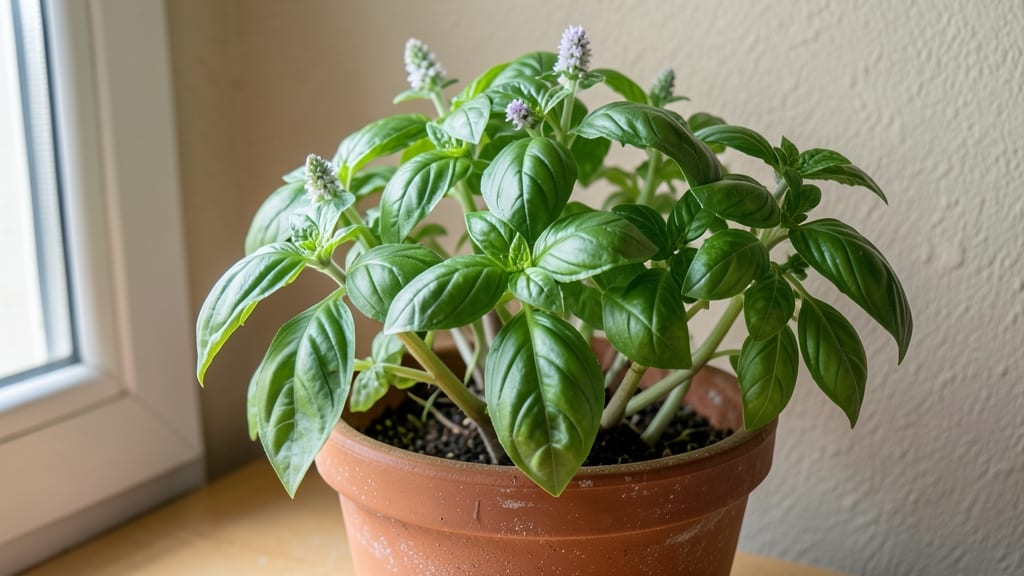
Raising basil indoors means fresh, fragrant leaves anytime—no more wilted store-bought bunches. 🌱 I’ve grown basil in my kitchen for years, and the secret isn’t complicated: it’s about light, water, and patience.
Most people overthink it, but with just 4 hours of bright light daily, you can keep plants thriving year-round. The first time I saw my basil bushy and green in February, I knew I’d never buy it again.
You’ll need a 6-inch pot, well-draining soil, and a sunny spot—or a grow light if natural light is weak. Basil hates soggy roots, so water only when the top inch feels dry.
Prune regularly to encourage bushier growth, and pinch off flowers to keep energy in the leaves. The smell alone makes it worth the effort—like a little Italian kitchen in your home.
By month two, you’ll harvest enough for pesto, sandwiches, or garnishes without spending a dime. The plants stay productive for 6+ months if you prune correctly, and they’re surprisingly hardy once you get the basics right. Even my black thumb can’t kill these with the right care.
Works on windowsills, balconies, or under grow lights—no garden needed. Here’s how to set it up without the guesswork.
📚 In This Guide
- What you need
- Instructions
- Tips and common mistakes
- Wrapping up and next steps
What you need
- ● Basil seeds or seedlings: Genovese, Thai, or Purple basil seeds (1 packet, ~50 seeds) or
- ● 2–3 healthy basil seedlings (check local nurseries or grocery stores)
- ● Containers: 1–2 6–8 inch diameter pots (with drainage holes) or
- ● A hanging basket (for trailing varieties like Thai basil)
- ● Potting mix: 1 bag lightweight, well-draining potting soil (avoid garden soil—it compacts!)
- ○ Optional: Mix in 10–20% perlite or vermiculite for extra aeration
- ● Grow lights or sunny windowsill: LED grow light (12–16W, full-spectrum, 6–12 inches above plants)
- ● OR A south-facing window (4+ hours of direct sunlight daily)
- ● Watering can or spray bottle: Small spouted watering can (for deep watering) or
- ● A fine-mist spray bottle (to keep leaves hydrated)
- ● Fertilizer: Balanced liquid fertilizer (5–10–5 or 10–10–10, diluted to half-strength)
- ○ Optional: Slow-release granular fertilizer (sprinkle on soil at planting)
- ● Pruning shears or clean scissors: Small, sharp pair (sterilized with rubbing alcohol)
- ○ Support (optional): Small stake or bamboo skewer (for tall varieties like Genovese basil)
Step-by-step instructions for raising basil indoors
Here's how to coax thriving basil from seed with minimal light—no fancy equipment needed.
🌱 Step 1: Start Seeds in Moistened Potting Mix
Fill a 4-inch diameter container with seed-starting mix and moisten it until damp but not soggy. Press the soil down lightly so it's firm enough to hold seeds in place. Plant 2-3 seeds per cell at a depth of about ¼ inch—any deeper and they'll struggle to reach light. Cover the seeds with a thin layer of additional mix, just enough to hide them completely.
Place the container in a warm spot (around 70-75°F) and cover it loosely with plastic wrap to retain moisture. Check daily for condensation on the plastic—this means the soil stays damp enough. You'll see sprouts in 7-14 days, depending on your home's warmth. Real talk: if your kitchen runs cooler, germination might take the full two weeks.
💧 Step 2: Provide Gentle Water and Bright Indirect Light
Once seedlings emerge, remove the plastic wrap immediately to prevent damping-off (a fungal disease that collapses stems overnight). Water gently from below by placing the container in a shallow tray of water for 10 minutes, then let it drain completely. This bottom-watering method keeps leaves dry and prevents fungal issues.
Position your seedlings within 4 inches of a south-facing window or under a grow light for 4-6 hours daily. Basil needs bright light to stay compact and flavorful—without enough, stems stretch and leaves turn pale. You'll know the light is right when new leaves stay dark green and grow upright rather than reaching toward the window.
🌿 Step 3: Thin and Prune for Bushier Growth
When seedlings develop their second set of true leaves (the larger leaves after the initial cotyledons), thin to the strongest plant per cell. Snip the weaker stems at the soil line with clean scissors—don't pull, or you'll disturb the roots of the remaining plant. This ensures all energy goes to one vigorous plant instead of competing seedlings.
Pinch off the top set of leaves when the plant reaches 6 inches tall to encourage bushier growth. This might seem counterintuitive, but removing the top growth signals the plant to send out side branches. You'll see new leaves forming along the stem within 2-3 weeks—that's your reward for the pinch.
✂️ Step 4: Harvest and Maintain for Continuous Production
Begin harvesting leaves when the plant reaches 8-10 inches tall. Use clean scissors to cut just above a leaf node (the point where leaves meet the stem) to encourage new growth. Never take more than ⅓ of the plant at once, or you'll stunt its recovery. Fresh basil tastes best when picked in the morning after the dew has dried.
Fertilize every 4-6 weeks with a balanced liquid fertilizer diluted to half strength. Over-fertilizing leads to lush foliage but weak flavor. Watch for yellowing leaves—this usually means overwatering (let the top inch of soil dry between waterings) or nutrient deficiency (time for more fertilizer). With consistent care, your basil will keep producing for months.
Tips & tricks for perfect indoor basil cultivation
Between us, these small details make the difference between basil that thrives and basil that fizzles. The secret is in the patience and precision of each step.
Germination Temperature: Those 70-75°F instructions aren't arbitrary—they're the sweet spot for basil seeds to germinate reliably. If your home runs cooler, place the container on top of your fridge (not inside) or use a seedling heat mat. I learned this the hard way after waiting three weeks for sprouts in my 65°F apartment.
Light Quality Matters: The 4-6 hours of daily light must be bright enough to prevent leggy growth. South-facing windows work best, but if you're using artificial light, LED grow lights are more efficient than incandescent bulbs. Position the light just above the seedlings to avoid stretching—think "bright but not blinding."
Pruning Technique: When you pinch those top leaves at 6 inches, make your cut just above a leaf node where new branches will emerge. I use clean nail scissors for precision—regular scissors can crush stems. The 2-3 week wait for new growth is worth it for that bushy, productive plant.
Pro Tips for Raising Basil Indoors
- Between us, these small details make the difference between basil that thrives and basil that fizzles.
- Germination Temperature: Those 70-75°F instructions aren't arbitrary—they're the sweet spot for basil seeds to germinate reliably.
- Light Quality Matters: The 4-6 hours of daily light must be bright enough to prevent leggy growth.
Frequently asked questions
Got questions about growing basil indoors? You’re not alone—here are the answers to the most common ones!
How much light does basil really need?
Basil thrives with 4–6 hours of bright, direct light daily. A south-facing window or a grow light (12–16 hrs/day) works best. If leaves yellow or stretch (called etiolation), it’s getting too little light. Rotate the pot weekly for even growth!
How fast does basil grow indoors?
With proper care, basil grows 2–4 inches per week. You’ll see noticeable growth in 3–4 weeks, with harvest-ready leaves in about 6–8 weeks. Pinch back flowers to encourage leaf production—this keeps the plant bushy and productive!
Why are my basil leaves turning yellow?
Yellow leaves usually signal overwatering or nutrient deficiency. Let the top inch of soil dry out between waterings, and use well-draining soil. Brown edges? It’s underwatered. Yellow veins? Check for pests like spider mites or fungal issues—adjust care and treat if needed.
Can I grow basil from store-bought stems?
Place a 4–6 inch stem in water (change weekly) until roots form (1–2 weeks). Then transplant to soil. Skip the flowery part—focus on healthy leaves. Pro tip: Use a rooting hormone to speed up the process!
What’s the best temperature for indoor basil?
Basil loves 65–80°F during the day and 55–65°F at night. Avoid drafts (like AC vents) or sudden temperature drops, which can stress the plant. If your home gets too cold (<50°F), move it to a warmer spot or use a heat mat.
How often should I prune basil?
Prune basil every 2–3 weeks to encourage bushier growth. Snip the top set of leaves (just above a pair of leaves) with clean scissors. Remove flowers promptly—they drain energy from leaf production. Never cut more than 1/3 of the plant at once!
Can I regrow basil after harvesting?
Yes! Basil is highly regenerative. After harvesting, trim just above a leaf node (where leaves meet the stem). With proper light and care, it’ll bounce back in 2–3 weeks. Avoid over-harvesting—leave enough foliage for photosynthesis!
Wrapping up and next steps
Raising basil indoors is simpler—and more rewarding—than you might think! With just 4 hours of daily light, proper care, and a little patience, you can enjoy a thriving herb garden year-round.
Whether you’re a beginner or a seasoned green thumb, these steps will help you grow fragrant, flavorful basil that’s ready to elevate your cooking.
Now that you’re equipped with the know-how, why not start your indoor basil journey today? Grab those supplies, pick a sunny spot, and watch your plants grow! 🌱 And once you’ve mastered basil, explore other herbs like parsley or cilantro—your kitchen (and taste buds) will thank you!