
Container Gardens
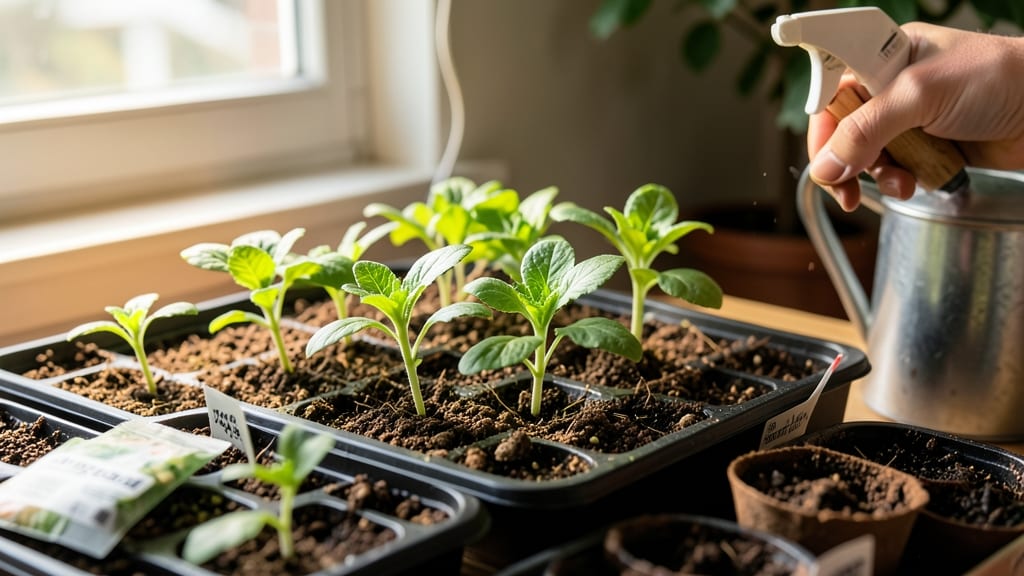
Starting lettuce indoors lets you beat the heat and harvest crisp greens 4-6 weeks before store-bought plants—no frost risk, no waiting. I’ve lost count of how many times I’ve rushed to the nursery for transplants only to watch them bolt in the first week of summer.
Indoor starting fixes that by giving you control over light, temperature, and timing. You’ll need just three simple supplies: shallow seed trays or recycled containers, sterile seed-starting mix, and a grow light or sunny windowsill.
Lettuce seeds germinate in 5-10 days when kept consistently moist and warm, and they’re happy in small spaces—even a repurposed egg carton works. The key is keeping them cool after germination to prevent legginess.
By the time you transplant them out, you’ll have stocky, dark-green seedlings ready to outperform anything from a big-box store. No more wilting heads or bitter taste from heat stress—just crisp, sweet lettuce that tastes like spring all season long. The best part?
You can start a second batch in late summer for fall harvests. This method works in apartments, kitchens, or basements—anywhere with 4-6 hours of light daily. Let’s get those seeds sprouting!
📚 In This Guide
- What you need
- Instructions
- Tips and common mistakes
- Wrapping up and next steps
What you need
- ● Seeds: Lettuce seeds (choose varieties like Buttercrunch, Romaine, or Leaf Lettuce—fast-growing types like Black Seeded Simpson mature in 30-45 days). Quantity: 1 packet (typically 500+ seeds) or pre-sprouted seedlings.
- ● Containers: Seed trays (72-cell or 1020-cell) OR biodegradable peat pots (2-3 inches deep).
- ● Grow trays with drainage holes (10"x20" or similar).
- ● Growing Medium: Seed-starting mix (sterile, lightweight, and well-draining—avoid garden soil). Quantity: 1-2 cubic feet, depending on container size.
- ● Light Source: Grow lights (LED or fluorescent, full-spectrum, 12-16 watts per square foot). Height: 2-4 inches above seedlings.
- ● OR A sunny windowsill (south-facing, 6+ hours of direct light daily).
- ● Watering Tools: Spray bottle (for gentle watering).
- ○ Watering can with a fine rose attachment (optional).
- ○ Humidity Dome or Plastic Wrap: To retain moisture during germination (optional but helpful).
- ● Fertilizer: Balanced liquid fertilizer (5-5-5 or 10-10-10, diluted to half-strength). Quantity: Small bottle (8 oz).
- ● Thermometer/Hygrometer: To monitor temperature (ideal: 60-70°F) and humidity (50-70%).
- ● Heating Mat: For faster germination (70-75°F).
- ● pH Test Kit: To ensure soil pH is 6.0-7.0 (ideal for lettuce).
- ● Label Sticks: To track seed varieties and planting dates.
- ● Fan: For gentle airflow to prevent damping-off disease.
- ● Self-Watering System: To maintain consistent moisture.
Step-by-step instructions for starting lettuce indoors
Here's how to get crisp, healthy lettuce seedlings ready for transplant—just in time to beat the frost.
Prepare Containers and Seed Starting Mix
Use clean, shallow containers with drainage holes—2-3 inch deep works perfectly for lettuce. I fill each with a sterile seed-starting mix (never garden soil) because it's lightweight and won't compact around delicate roots. Moisten the mix until it feels like a damp sponge—squeeze gently and it should hold together without dripping.
Press the soil down lightly to remove air pockets, then tap the container gently on your work surface. This ensures even contact between soil and seed. Lettuce seeds are tiny, so I like to use a flat-bottomed spoon to create small furrows—just ¼ inch deep—where I'll place them later. The goal is to keep seeds at the right depth without burying them too deeply, which can delay germination.
Sow Seeds and Maintain Optimal Moisture
Lettuce seeds are so small that I use a toothpick or tweezers to place them ¼ inch apart in the furrows. Sowing too close together leads to crowded seedlings that compete for light and nutrients. Once planted, cover the seeds with a thin layer of soil—just enough to obscure them completely. Mist the surface gently with water until it's evenly damp but not soggy.
Here's the thing—lettuce seeds need consistent moisture to germinate, but they rot quickly if overwatered. I place the container in a shallow tray filled with ½ inch of water and let the soil absorb moisture from below. This method keeps the surface evenly damp without the risk of flooding. Within 7-14 days, you'll see the first true leaves emerge—this is your signal that germination is complete.
Provide Cool Light and Prevent Leggy Growth
Lettuce thrives in cool conditions, so I keep seedlings in a spot with temperatures between 60-65°F during the day and no lower than 50°F at night. A south-facing window works, but I supplement with a grow light positioned 6 inches above the plants for 12-14 hours daily. Without enough light, seedlings stretch toward the window, becoming tall and weak—a condition called "legginess."
You'll know your light setup is right when seedlings grow 2-3 inches tall with leaves spaced closely together. If stems look thin and pale, move the light closer or extend the photoperiod. Lettuce is a cool-season crop, so avoid letting temperatures rise above 75°F, which causes bolting (premature flowering). A small fan on low setting helps strengthen stems by simulating outdoor breezes.
Thin Seedlings and Harden Off Before Transplanting
When seedlings develop their second set of true leaves (about 3-4 weeks after sowing), it's time to thin. Use scissors to snip unwanted seedlings at soil level—this prevents disturbing roots of the plants you're keeping. Space remaining seedlings 2-3 inches apart to give them room to grow. I fertilize lightly with a diluted fish emulsion at half strength to encourage strong root development.
Two weeks before your last frost date, begin hardening off seedlings by placing them outside in a sheltered spot for 1-2 hours daily. Gradually increase exposure time over 7-10 days
Tips & tricks for starting lettuce indoors
These little details make all the difference between healthy seedlings and disappointed gardeners—trust me, I've learned this the hard way with my own lettuce failures.
Container Depth Matters: Those 2-3 inch deep containers aren't arbitrary—they prevent root binding while allowing enough soil for early growth. Shallower containers dry out faster, while deeper ones risk overcrowding roots. I always use seedling trays with individual cells because they give each plant its own space from the start, which is especially important for lettuce varieties that grow in tight rosettes.
Germination Timing Secret: The 7-14 day window for germination is your first clue about seed viability. If you don't see sprouts within 10 days, either your seeds are old or moisture/temperature conditions weren't right. I've found that placing containers in a clear plastic bag creates a mini greenhouse effect—just remove the bag once sprouts appear to prevent mold. This little trick cuts germination time by nearly half while maintaining perfect humidity.
Light Positioning Technique: That 6-inch distance from grow lights might seem arbitrary, but it's critical for preventing legginess. I adjust the height daily as seedlings grow—when they reach 2-3 inches, I lower the light to 4 inches for a stronger stem response. The key is to keep leaves just touching the light source without burning them. A simple trick: if you can see your hand clearly between light and plants, you're in the right zone.
Harden Off Gradually: The 1-2 hour daily increments during hardening off might seem slow, but rushing this step causes transplant shock. I start with just morning sun exposure, then gradually add afternoon sun and wind. By day 7, my seedlings look like they've been outside forever—no wilting, no yellowing. The secret is to match outdoor conditions incrementally, especially temperature swings. On windy days, I use a small mesh screen to shield them while still allowing airflow adaptation.
Pro Tips for Starting Lettuce Indoors
- These little details make all the difference between healthy seedlings and disappointed gardeners—trust me, I've learned this the hard way with my own lettuce failures.
- Container Depth Matters: Those 2-3 inch deep containers aren't arbitrary—they prevent root binding while allowing enough soil for early growth.
- Germination Timing Secret: The 7-14 day window for germination is your first clue about seed viability.
Frequently asked questions
Got questions about growing lettuce indoors before the last frost? You’re not alone—here are answers to the most common queries to set you up for success!
When is the best time to start lettuce indoors?
Start lettuce indoors 6–8 weeks before your average last frost date. For example, if frost hits around April 15, begin sowing seeds in early to mid-February. This timing ensures seedlings are sturdy enough for transplanting when outdoor conditions improve. Use a frost date calculator for your zone to fine-tune!
Can I transplant lettuce seedlings outdoors too early?
Transplanting lettuce too early can shock seedlings, leaving them vulnerable to frost damage or bolting. Wait until nighttime temps stay above 40°F (4°C) and soil is workable. Harden off seedlings first by gradually exposing them to outdoor conditions over 5–7 days. Patience pays off—healthy plants resist stress better!
What if my lettuce seedlings look leggy or weak?
Leggy seedlings often mean too little light. Move trays to a sunny windowsill or under grow lights (12–16 hours/day). Use reflective surfaces (like aluminum foil) to maximize light exposure. Avoid overcrowding—thin seedlings to 1–2 inches apart to encourage strong stems and prevent disease.
How do I keep indoor lettuce from bolting?
Bolting (premature flowering) happens when lettuce senses warmth or long days. To delay it:
- Use cool indoor temps (60–65°F / 15–18°C) during the day.
- Avoid heat sources like vents or radiators near seedlings.
- Choose slow-bolting varieties like ‘Winter Density’ or ‘Romaine.’
What’s a good alternative if I don’t have grow lights?
If grow lights aren’t an option, try these workarounds:
- South-facing windows with supplemental light (even a bright LED desk lamp helps).
- Rotate trays daily for even light exposure (lettuce grows toward light!).
- Start with pre-sprouted seeds (available at garden centers) to skip the early light-sensitive stage.
Wrapping up and next steps
Starting lettuce indoors is a rewarding way to jumpstart your growing season—especially when you align your efforts with frost-date precision! By following the right steps, you’ll enjoy a head start on fresh, crisp greens while avoiding common pitfalls like leggy seedlings or transplant shock.
With just a little patience and the right setup, you’re well on your way to a thriving indoor garden.
Now that you’re armed with the know-how, take the next step: grab your supplies, set up your seed-starting station, and watch those tiny seeds transform into robust seedlings. Happy growing—your spring harvest is just around the corner! 🌱✨