
How To
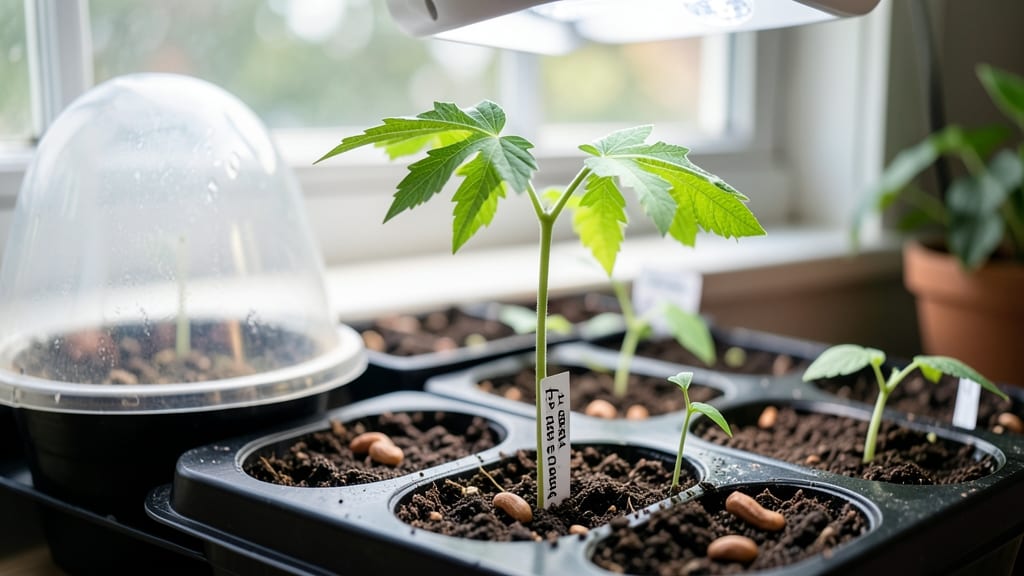
Starting bush beans 🌱 indoors about 4-6 weeks before your last frost date ensures they’re ready to thrive outdoors when temperatures stabilize.
Timing your bush bean seedlings perfectly indoors can mean the difference between a bountiful harvest and wasted effort—especially when heat zones shift your planting window unexpectedly.
For most gardeners in USDA Zone 6a, that means kicking off seeds indoors in early March, giving them time to mature before the last frost (typically around April 15).
Below, I’ll walk you through how to pinpoint your exact start date, adjust for container size and light, and avoid the three mistakes that stall growth—so your beans hit the ground running.
How to calculate your exact indoor start date for bush beans by heat Zone
Timing your bush bean seedlings indoors is all about matching your local heat zone with the plant's 50-60 day maturity.
Since USDA heat zones dictate your last frost date, knowing your zone lets you calculate the perfect indoor start window—whether you're in Zone 3 (cold) or Zone 10 (warm).
Bush beans thrive when transplanted after all frost risk has passed, but starting them too early indoors can lead to overcrowded seedlings or stunted growth. The key is working backward from your last frost date and accounting for the 4-6 weeks they need indoors before hardening off.
Let's break it down by zone for precision.
🌱
To find your exact last frost date, check the USDA Plant Hardiness Zone Map and cross-reference with your local agricultural extension service.
For example, if you're in Zone 6a with a last frost date of April 15, count backward 50 days to determine your indoor start date of February 15. This ensures your seedlings are ready to transplant by late April.
Pro tip: Use a seedling heat mat ($15-$25) for zones colder than Zone 6 to maintain 70-75°F soil temps, which speeds up germination from 7-10 days to just 5-7 days. This small investment can shave weeks off your growing timeline.
For Zone 8+ gardeners, indoor starts are optional—many growers direct-sow after soil reaches 60°F. But if you want an early harvest, starting seeds indoors in late fall (October-November) gives you a jump on the season. Just avoid overwatering during winter's low light.
🌿
Here's how to verify your zone if you're unsure: Enter your ZIP code into the USDA Zone Finder (usda.gov) or use a garden planning app like Gardenate. These tools also provide localized frost alerts and planting calendars tailored to your microclimate.
Once you've nailed your indoor start date, maintain consistent moisture and 12-16 hours of light daily. Bush beans are light-sensitive, so supplement with a grow bulb if your windowsill gets less than 6 hours of sun. This ensures sturdy seedlings ready for transplanting.
✂️
Critical factors that change your bush bean indoor start timeline
Your bush bean indoor start timeline isn't set in stone—it shifts based on four key variables: container size, light intensity, temperature control, and seedling age. Ignoring these factors can delay your harvest by 2-3 weeks or worse, stunt your seedlings entirely.
For example, a 4-inch pot might need a 2-week earlier start than a seed tray because roots outgrow the space faster.
Light intensity plays an equally critical role. Grow lights at 12-14 hours/day can accelerate growth by 30% compared to natural light, letting you start seeds 10-14 days later without risking leggy, weak plants.
Meanwhile, temperature control—keeping seeds at 70-80°F—speeds germination by 50%, cutting your timeline by nearly a week.
Adjust Your Bush Bean Start Timeline Based On:
Container Size
- ✅ Pros: Larger pots (6+ inches) delay transplant shock by 1-2 weeks.
- ❌ Cons: Smaller pots (2-3 inches) force earlier starts to avoid root-binding.
Light Intensity
- ✅ Pros: Grow lights let you start 10-14 days later safely.
- ❌ Cons: Natural light alone may require 3-4 weeks earlier starts.
Temperature Control
- ✅ Pros: 70-80°F speeds germination by 50% (1 week faster).
- ❌ Cons: Below 60°F delays sprouting by 7-10 days.
Seedling Age
- ✅ Pros: 4-6 weeks old seedlings harden off faster.
- ❌ Cons: Over 8 weeks old risk transplant shock.
🌱 Pro Tip: Use a heat mat for seeds to cut germination time by half.
Let’s break down how these factors interact. If you’re using seed trays (like 72-cell flats), your bush beans will need a 3-4 week earlier start than if you’re planting directly into 4-inch pots.
That’s because roots in trays hit the edges faster, triggering a root-bound stress response that stalls growth. Meanwhile, grow lights with 12,000-15,000 lux mimic summer sun, letting you delay starts by 2 weeks compared to a north-facing window.
Temperature is where most gardeners trip up. Bush beans germinate best at 70-80°F, but many indoor setups hover around 65°F—slowing sprouting by 7-10 days. A simple $20 heat mat under your seed tray can shave 5 days off your timeline.
Pair that with a grow light, and you’ve effectively gained 2 weeks of flexibility in your planting schedule.
Seedling age is the final piece of the puzzle. 4-6 week old seedlings transplant with 90% success, but pushing them to 8+ weeks risks transplant shock and stunted growth. If you’re using grow lights or a warm setup, you can safely delay starts by 10-14 days without sacrificing maturity.
For example, in USDA Zone 5, I start my seeds March 1st with grow lights but February 15th without them.
Properly adjusting these four factors can turn a 60-day harvest timeline into a 45-day one, giving you extra growing time for a second crop. Start by testing your setup—germinate a batch of seeds in each condition (container size, light type, temperature) and track the results.
Your bush beans will thank you with bigger pods and earlier harvests.