
How To
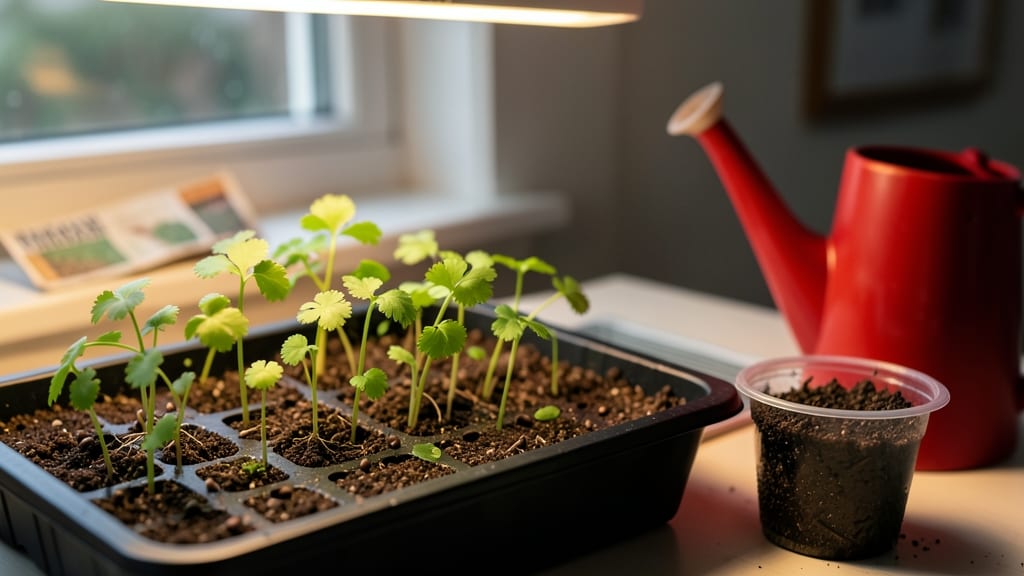
Starting cilantro seeds indoors 4–6 weeks before your last frost is the secret to avoiding bitter, bolted plants before summer even arrives.
Picture this: you’ve got a thriving batch of 🌿 cilantro seedlings, but the moment you transplant them, the heat hits—and suddenly, you’re staring at a plant that’s gone to seed.
That’s why timing isn’t just about the calendar; it’s about frost-date math. Get it wrong, and you’ll spend the season chasing flavor instead of harvesting.
Most gardeners in Zone 6a (like me) start in early March, giving cilantro enough time to mature before the dog days of summer. But if you’re in a warmer climate, you might need to adjust—or risk watching your crop turn into a floral disaster.
The key? Knowing when to start so your cilantro hits its prime just as the weather cools.
In this guide, I’ll walk you through the exact dates, how to troubleshoot common mistakes, and the lighting tricks that keep your seedlings strong. No more guesswork—just bold, flavorful cilantro from seed to plate.
How to calculate your ideal cilantro seed starting date using frost dates
Starting cilantro seeds indoors too early or too late can ruin your harvest. Since cilantro matures in just 4-6 weeks, timing your indoor start date based on your last frost date is critical.
If you plant too close to summer, your seedlings will bolt—turning bitter and flowering before you can harvest. Let’s break down the math so you get healthy, ready-to-transplant cilantro at the perfect time.
First, find your average last frost date for your USDA hardiness zone. This date marks when outdoor temperatures consistently stay above 32°F (0°C), allowing cilantro to thrive without frost damage.
Cilantro seedlings need 4-6 weeks indoors before they’re strong enough to handle outdoor conditions. Count backward from your last frost date to determine when to start seeds.
For example, if your last frost date is April 15 (common in Zone 6a), you should start seeds indoors between March 1 and March 15. This gives your cilantro enough time to grow sturdy and transplant-ready before the heat of summer arrives.
Adjust this window slightly for cooler zones (earlier starts) or warmer climates (later starts).
Here’s the key: Cilantro hates heat stress. If temperatures rise above 75°F (24°C) during the day, it bolts quickly. By starting seeds indoors and transplanting them just before summer’s peak, you’ll avoid this common pitfall.
Now, let’s look at a frost-date lookup table for common U.S. zones to simplify your planning.
| USDA Zone | Avg. Last Frost Date | Ideal Indoor Start Date | Notes |
|---|---|---|---|
| Zones 3-4 (Cold Climates) | May 10 | April 1-15 | Start early; cooler temps delay bolting. |
| Zone 5 (Mid-Atlantic/Northeast) | April 25 | March 20-April 5 | Avoid late starts; heat arrives fast. |
| Zone 6a (Default Example) | April 15 | March 1-March 15 | Classic timing for robust seedlings. |
| Zone 7 (Southeast/Southwest) | March 15 | February 10-March 1 | Watch for early heat; may need shade. |
| Zones 8-10 (Warm Climates) | February 1 | January 10-February 10 | Fall planting recommended; cilantro bolts fast in heat. |
If you’re unsure about your zone, check the USDA Plant Hardiness Zone Map or ask your local cooperative extension service. Once you’ve nailed down your frost date, add 4-6 weeks to determine your indoor seed-starting window.
For instance, if your last frost is March 30, start seeds between February 15 and February 25.
Pro tip: Use a seedling heat mat if your home stays below 60°F (15°C) at night. Cilantro germinates best in 65-75°F (18-24°C) soil. If your seedlings get leggy or weak, they’re not getting enough light—supplement with a grow light for 14-16 hours/day.
After counting backward from your frost date, mark your calendar for the transplant date. Harden off seedlings by placing them outdoors for 1-2 hours/day for a week before transplanting.
This gradual adjustment helps them adapt to outdoor conditions without shock. Avoid transplanting during peak heat—aim for morning or evening when temperatures are cooler.
Remember, cilantro is a cool-season crop. If you live in a hot climate, consider growing it in fall or winter instead of spring. In mild zones like Zone 9-10, you can even grow cilantro year-round with shade cloth during summer months.
The key is always to avoid heat stress and bolt-inducing conditions.
With this frost-date math, you’ll never again guess when to start cilant
Common mistakes that ruin cilantro seedlings (and how to avoid them)
Getting your cilantro seeds off to a strong start indoors isn't just about timing—it's also about avoiding common pitfalls that can derail your seedlings before they even reach your garden.
Even with perfect frost-date math, overcrowding, poor lighting, and temperature swings can turn your delicate seedlings into sad, leggy shadows. I’ve learned from years of trial-and-error that these mistakes are sneaky but fixable with the right adjustments.
One of the biggest culprits is overcrowding in seed trays. When seedlings compete for space, they grow weak and spindly, making them vulnerable to disease. I once had a batch of cilantro that looked like they were reaching for the ceiling—turns out, they were just desperate for room.
The fix? Thin your seedlings to 2 inches apart once they sprout their first true leaves, then transplant them into individual pots when they’re about 3 inches tall.
Another silent killer is inconsistent lighting. Cilantro seedlings need 12–16 hours of light daily, but many growers underestimate how quickly artificial light can fade or how a north-facing window falls short.
I’ve seen seedlings stretch toward a window like sunflowers, only to collapse when transplanted outside. Use a grow light on a timer or rotate trays daily to ensure even growth.
⚠️ callout warning
If your seedlings are exposed to temperatures above 75°F before transplanting, they’ll bolt (flower) prematurely, ruining their flavor. In USDA Zones 8–10, start seeds in late summer for a fall harvest instead of spring. Use shade cloth if growing outdoors early.
🌡️ Pro Tip: Keep indoor temps between 60–75°F and avoid drafts from AC vents.
Temperature swings are another nemesis. Cilantro seedlings hate cold drafts or sudden heat spikes, which can stunt growth or trigger bolting. I once placed my tray near a heating vent and watched my seedlings wilt overnight.
Move trays to a consistent 65–75°F spot, away from doors, windows, or appliances. A seedling heat mat can help in cool homes, but avoid overheating.
Transplant shock is the final hurdle. Even healthy seedlings can wilt when moved outside too soon. Harden them off by placing trays outside for 1–2 hours daily, gradually increasing exposure over 7–10 days.
I once skipped this step and lost half my seedlings to windburn and temperature stress. Choose an overcast day for transplanting and water thoroughly before and after moving them to the garden.
Finally, don’t ignore soil quality. Cilantro thrives in well-draining, nutrient-rich soil with a pH of 6.2–6.8. I’ve had seedlings fail because I reused soil from a previous crop without amending it.
Mix in compost or worm castings and avoid heavy, clay-like mixes. A 50/50 blend of potting soil and perlite works wonders for airflow and drainage.
With these fixes, your cilantro seedlings will go from weak and wobbly to bold and bushy in no time. The key is staying vigilant—cilantro is finicky but rewarding when you give it the right conditions. Happy growing! 🌱