
Propagation
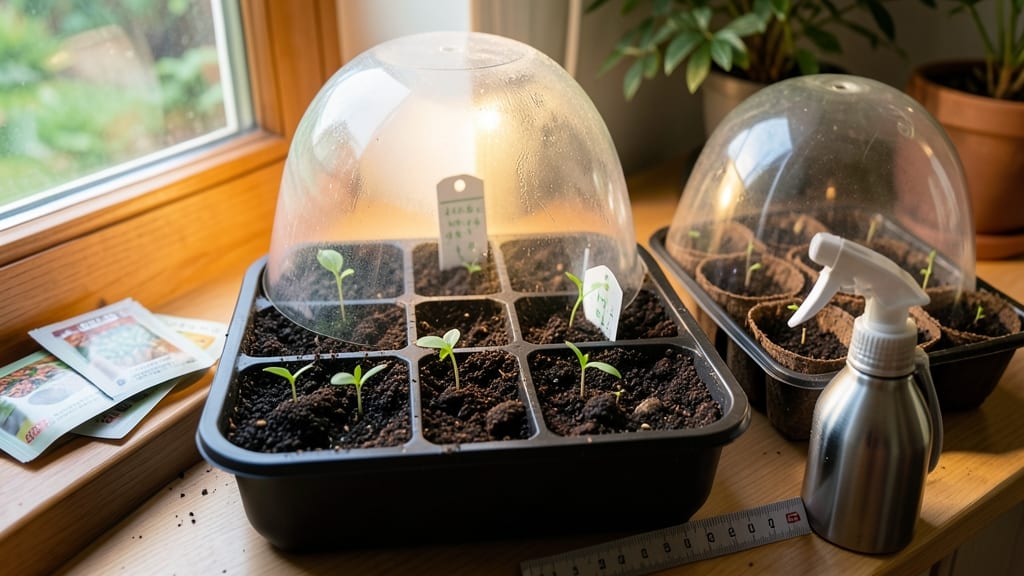
Starting seeds indoors at the right when to start germinating seeds indoors ensures strong, healthy 🌱 General Seed Germination ready for transplant—typically 4-8 weeks before your last frost in USDA Zone 6.
Picture this: You’ve got your seed trays ready, the soil is prepped, and you’re eager to see those first sprouts. But if you start too soon, you’ll be wrestling with overcrowded seedlings by spring. Too late, and your plants won’t be hardy enough for the garden.
The key is knowing when to begin so your seedlings hit the perfect size—3-6 feet tall—when it’s time to move them outside.
For most plants, that means kicking off germination in February or March, depending on your local frost date. But not all seeds are created equal—some, like tomatoes, need a head start, while others, like herbs, can wait a bit longer.
I’ll break down the exact timing for your favorite plants, plus how to adjust for early or late seasons.
By the end, you’ll have a foolproof schedule tailored to your garden’s needs, so you can skip the guesswork and enjoy a thriving harvest. Let’s get those seeds sprouting at the perfect moment!
How to calculate your indoor seed germination timeline by last frost date
Starting seeds indoors at the perfect time ensures your seedlings are robust and ready for transplanting when the last frost date arrives. The key is understanding your local frost window, each plant's maturity timeline, and how long it takes to germinate.
Without this, you risk either overcrowded seedlings or plants that aren’t mature enough for outdoor conditions.
First, find your last frost date—this is the average date when frost no longer occurs in your area. For most U.S. regions, this falls between mid-April and mid-May, but it varies by USDA zone.
Check your local agricultural extension office or use online tools like the USDA Plant Hardiness Zone Map for accuracy. Once you have this date, you can work backward using a simple formula.
The core formula for calculating when to start seeds indoors is: Last Frost Date - Seedling Maturity Days - Germination Days = Start Date.
For example, if your last frost date is April 15 and you’re growing tomatoes that need 70 days to maturity with a 7-day germination period, you’d start seeds on February 1.
However, this formula isn’t one-size-fits-all. Cold-hardy plants like kale or peas can often be sown directly outdoors before the last frost, so they don’t need indoor germination.
Meanwhile, heat-loving plants like peppers or eggplants require a longer indoor head start—sometimes 10-12 weeks before the last frost—to reach maturity before summer’s end.
Another critical factor is seedling growth rate. Some seeds, like radishes or lettuce, sprout in just 3-5 days, while others, like okra or parsley, can take 14-21 days.
Slow germinators need an earlier start date to avoid delays. Additionally, light conditions and temperature affect growth speed—cool windowsills may slow germination, while a seedling heat mat can speed it up.
To adjust for your specific climate, consider whether you’re in a northern or southern region. Northern zones (e.g., USDA Zone 3-5) often have later last frost dates, giving you more time to start seeds indoors.
Southern zones (e.g., Zone 7-10) may have earlier frost dates or even year-round growing seasons, allowing for staggered planting. For example, in Zone 10, you might start seeds in January or February for continuous harvests.
Don’t forget to account for hardening off, a process where seedlings acclimate to outdoor conditions. This typically takes 7-10 days before transplanting. If you’re in a high-altitude area, like the Rocky Mountains, your growing season may be shorter, so start seeds 2-4 weeks earlier than the general guideline.
Conversely, in coastal regions with milder winters, you might delay starting seeds by 1-2 weeks.
For container gardening, where space is limited, prioritize faster-growing plants like radishes or herbs and give slower growers like squash or melons extra time indoors. Use a seedling heat mat and grow lights to maximize space efficiency.
If you’re using seedling trays, ensure they have proper drainage to prevent damping-off disease, which can derail your entire schedule.
Finally, keep a seed-starting journal to track germination dates, transplant dates, and harvest times. Over time, you’ll refine your indoor germination timeline based on your unique conditions. With practice, you’ll achieve perfectly timed seedlings every season, leading to a healthier, more productive garden. 🌱
Best indoor germination times for popular vegetables and flowers (with adjustments for early/late seasons)
Getting your indoor seed germination timing right means the difference between robust seedlings and weak, struggling plants. Every plant has unique needs—some like tomatoes and peppers need early starts, while herbs like basil can wait until later.
Even your last frost date plays a role, especially if you live in a region with early springs or late winters. Let’s break down the best windows for popular plants, plus how to adjust for your climate.
Fast germinators like radishes and marigolds can be started just 2-4 weeks before your last frost, while slow growers like tomatoes and onions need a full 8-10 weeks indoors. Cold-sensitive plants, such as peppers and eggplants, must begin indoors early—sometimes as early as February—even in mild climates.
Adjusting for your USDA zone ensures you’re not caught off guard by unexpected frosts.
🌱 Numbered Highlights: Indoor Germination Timing by Plant Type
- 1. Fast Germinators (2-4 weeks before last frost): Radishes, lettuce, spinach, marigolds, and basil. Ideal for late starts or small spaces.
- 2. Medium-Speed Germinators (4-6 weeks before last frost): Beets, carrots, Swiss chard, and snap peas. Perfect for mid-season planting.
- 3. Slow Germinators (6-8 weeks before last frost): Tomatoes, onions, leeks, and parsley. Require early starts for full maturity.
- 4. Cold-Sensitive Plants (8-10 weeks before last frost): Peppers, eggplants, and okra. Must begin indoors early, even in warm climates.
- 5. Adjust for Early/Late Frost: Add 2 weeks for late frost zones (e.g., Zone 3) or subtract 2 weeks for early frost zones (e.g., Zone 10).
- 6. Herbs (Flexible Timing): Most herbs like cilantro, dill, and chives can start 4-6 weeks before last frost, but parsley needs 8-10 weeks.
- 7. Flowers (Varies by Type): Petunias and zinnias (6-8 weeks), while pansies and snapdragons (4-6 weeks) tolerate cooler temps.
For example, if your last frost date is April 15, start tomatoes indoors by February 15 to ensure they’re ready for transplanting. In contrast, basil can wait until March 15, giving you more flexibility.
Always account for your grow lights or natural light conditions—seedlings need 12-16 hours of light daily to avoid becoming leggy.
Regional adjustments are key. In Zone 5 (early frost), start peppers by February 1 to avoid stunted growth, while in Zone 8 (late frost), you might delay until March 1.
Use a seedling heat mat for cold-sensitive plants to speed up germination in cooler homes. Monitor soil moisture closely—overwatering can lead to damping-off, a fungal disease that kills seedlings.
Pro tip: Label your seed trays with the plant name and date started to track progress. Use a seedling journal to note germination dates, adjustments for future seasons, and any issues like slow sprouting.
This helps refine your timing each year. With the right schedule, you’ll have a head start on the growing season and healthier transplants.
🌱