
Vegetables
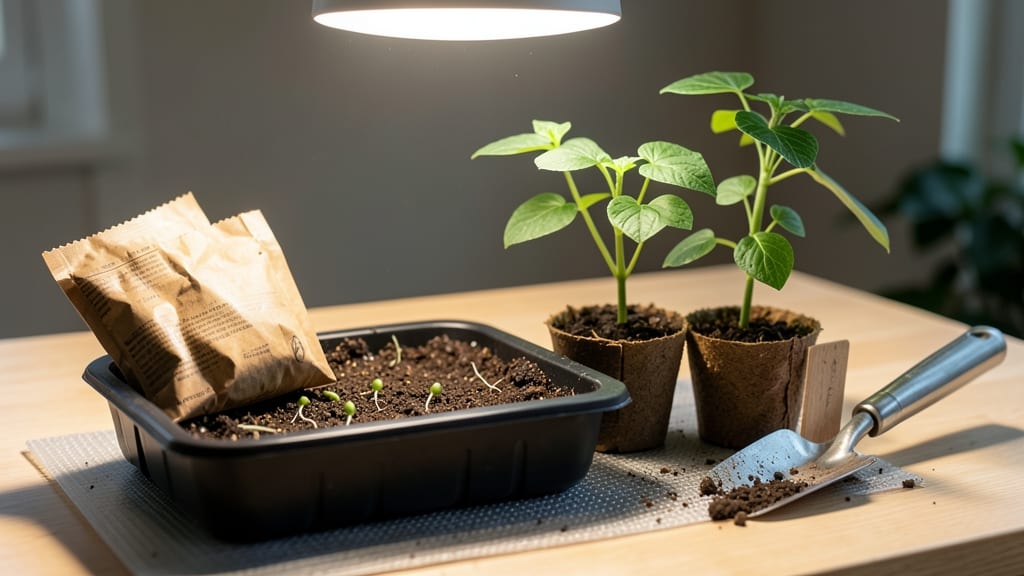
Starting green bean seeds indoors 4-6 weeks before your last frost is the secret to a bumper harvest—miss that window, and you’ll either have leggy, overcrowded seedlings or plants that bolt before they produce.
Timing is everything when it comes to growing green beans—start too early, and your seedlings will outgrow their containers; too late, and frost will kill them before they mature. Here’s the science-backed 4-week pre-frost timeline to maximize your harvest.
For most gardeners in USDA Zone 6a, that means sowing seeds in early March, giving you strong, sturdy plants ready to transplant by mid-April when the ground warms up. But if you live in a colder region, you might need to start even earlier.
Below, I’ll break down the exact dates for your zone, how to set up your indoor growing station, and the 3 key signs your seedlings are ready to move outside—so you can go from seed to salad in record time.
Optimal indoor starting dates for green bean seeds by climate zone
Green beans thrive when started indoors at the perfect time—too early and they’ll become leggy and weak, while starting too late risks frost damage before harvest.
The 4-week pre-frost rule is your golden standard: calculate your last average frost date, then count backward 4 weeks to determine your ideal indoor start window. This timeline ensures seedlings are sturdy enough for transplanting just as outdoor conditions warm up.
Your USDA climate zone is the first factor in setting your schedule. Zones 3-5 (cold climates) need earlier starts, while zones 8-10 (mild climates) can wait until late winter or early spring. Always check your local frost date averages—they can vary by 1-2 weeks even within the same zone.
For example, a zone 6 garden in Michigan might have a last frost of April 15, while a zone 6 garden in Colorado could see frost until May 1.
Here’s how to adjust for regional frost risks. If your area has a history of late frosts (like the Midwest or Pacific Northwest), err on the side of starting seeds 2 weeks earlier to account for delays.
Conversely, in Southern California or Florida, where frost is rare, you can push your start date closer to the last frost—even as little as 3 weeks out—since the risk is minimal.
For green bean varieties, bush types (like Blue Lake) mature faster (about 50-55 days) and can handle slightly later starts, while pole varieties (like Kentucky Wonder) need the full 60 days and should follow the stricter 4-week rule.
Always check the seed packet for days-to-maturity—this is your second critical data point after frost dates.
To avoid transplant shock, your seedlings should have 2-3 true leaves and a sturdy stem before moving outdoors. This typically takes about 3-4 weeks indoors under ideal conditions (warmth, light, and moisture).
If your seedlings are etiolated (long, weak stems), they’ve been deprived of light—supplement with a grow light or move them closer to a south-facing window immediately.
Pro tip: Use biodegradable pots to minimize root disturbance during transplanting. Fill them with a lightweight seed-starting mix and keep the soil temperature at 70-75°F for optimal germination.
A seedling heat mat can help in cooler homes, especially in zones 3-5. Once sprouted, reduce heat to 65-70°F to prevent leggy growth.
For extended harvests, consider making a second planting 2-3 weeks after your first batch. This works well in zones 6-10 where frost is less of a concern. Just adjust your start date to ensure the second batch matures before the first frost of fall.
In cooler zones (3-5), focus on one strong planting and prioritize late-summer varieties for a second try if your season allows.
Always monitor your local weather forecasts in the weeks leading up to transplanting. A sudden cold snap can delay your outdoor move by 1-2 weeks, so have a backup plan—like a row cover or cold frame—to protect tender seedlings.
With the right timing, your green beans will be thriving in the garden just as the soil warms, setting you up for a bountiful summer harvest.
🌱
Signs your green bean seedlings are ready for transplanting (and how to avoid common mistakes)
Knowing when your green bean seedlings are ready to move outdoors can mean the difference between a thriving harvest and wasted effort.
Look for these key developmental milestones to determine readiness: 2-3 sets of true leaves (not just seed leaves), a thick, sturdy stem about 1/8-inch wide, and healthy, vibrant foliage without yellowing. These signs indicate your seedlings have developed strong root systems and are prepared for transplant shock.
Timing is critical—transplant too early, and your seedlings may struggle with temperature fluctuations or pest pressure. Too late, and they’ll become root-bound or leggy from stretching toward light.
Aim for transplanting when soil temperatures reach at least 60°F and all frost risk has passed. This balance ensures your green beans establish quickly and start producing pods sooner.
⚠️ 5 Critical Mistakes That Kill Green Bean Seedlings Indoors
- Overcrowding: Seedlings compete for light and nutrients. Thin to 1 seedling per cell in trays or 2 inches apart in pots.
- Poor Lighting: Leggy, pale seedlings mean insufficient light. Use grow lights 2-3 inches above seedlings for 14-16 hours/day.
- Nutrient Deficiencies: Yellow leaves? Switch to a balanced fertilizer (10-10-10) at half-strength when true leaves appear.
- Overwatering: Soggy soil causes root rot. Water only when the top 1/2-inch is dry—never let seedlings sit in water.
- Skipping Hardening Off: Direct transplant shock kills tender seedlings. Acclimate for 7-10 days before moving outdoors.
Fix these issues early, and your seedlings will thrive—ready for a bountiful harvest!
Check for root binding by gently removing a seedling from its container. If you see a dense root ball circling the bottom, it’s time to transplant—even if the plant isn’t fully leafed out.
This often happens in 4-6 weeks, aligning with your 4-week pre-frost timeline. If roots are tangled, trim them lightly with clean scissors to encourage outward growth in the garden.
Before transplanting, inspect your seedlings for pests like aphids or spider mites. A quick rinse with water or a neem oil spray can save your crop. Healthy seedlings should also have no signs of disease, such as brown spots or mold on leaves.
If you spot issues, isolate the plant and treat with a fungicide before transplanting to prevent garden-wide contamination.
Choose a cloudy morning for transplanting to reduce stress from direct sunlight and wind. Dig holes slightly larger than the seedling’s root ball and space plants 4-6 inches apart for bush varieties or 6-8 inches apart for pole beans.
Water deeply after planting to help roots establish in the new soil. Mulch around the base with straw or grass clippings to retain moisture and suppress weeds.
After transplanting, monitor your green beans closely for the first 2 weeks. Watch for wilting or yellowing leaves, which may signal transplant shock or underwatering. Keep soil consistently moist but not soggy, and provide afternoon shade if temperatures exceed 85°F.
With proper care, your seedlings will recover quickly and start producing tender pods in 45-60 days.