
How To
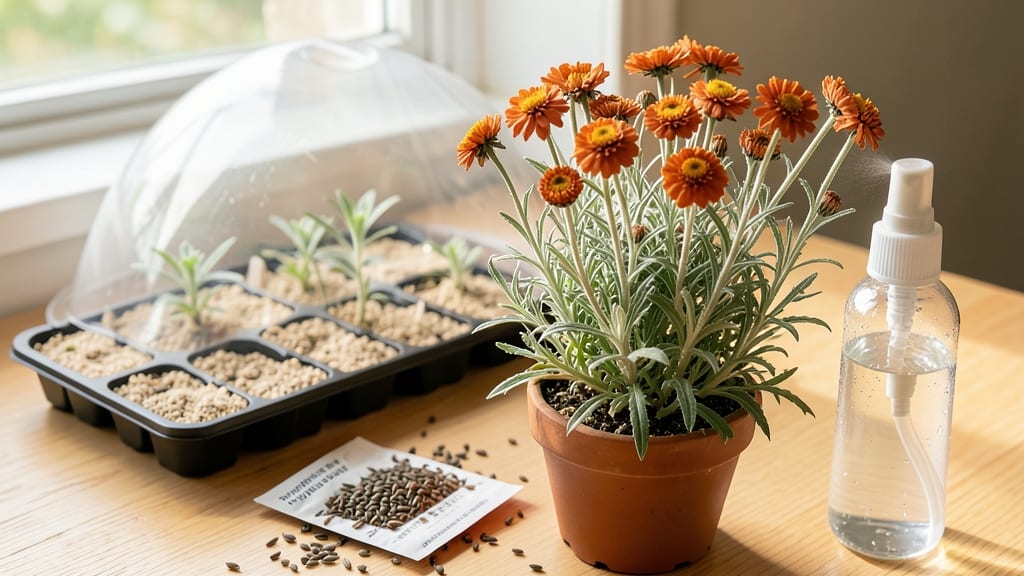
To start strawflower seeds indoors, aim for 8–10 weeks before your last frost date—typically mid-January in most U.S. regions, but adjust for early or late springs.
Picture this: you’ve waited all winter for those bright 🌼 blooms, only to realize your seedlings are too leggy or blooming too late. The difference between a summer of vibrant color and a season of disappointment often comes down to timing—and a little preparation.
Strawflowers thrive when given a head start indoors, but rushing or delaying can leave you with weak plants or flowers that open too late for peak enjoyment.
Whether you’re growing them for cut arrangements or garden displays, getting the timing right ensures you’ll have long-lasting blooms from late summer through fall.
In this guide, I’ll walk you through the exact countdown, climate adjustments, and simple setup tips to guarantee your strawflowers hit their full potential—no guesswork, just vibrant results.
Optimal indoor seed starting times by climate Zone (with exact weeks to transplant)
Strawflowers thrive on precision—starting them indoors too early means leggy seedlings, while starting too late risks missing peak bloom season. Your USDA hardiness zone dictates the perfect 10-week countdown before transplanting outdoors. Let’s break down the exact timing for each zone to ensure vibrant summer blooms that last through fall.
Most gardeners in Zones 6-9 should begin strawflower seeds indoors in February or early March, but regional frost patterns can shift this window by 2-3 weeks.
For example, Zone 7 gardeners with late frosts may delay until mid-March, while Zone 10’s mild winters allow starts as early as January. The key is aligning your seed start with your last frost date minus 10 weeks.
Here’s your zone-specific transplant timeline—use this as your roadmap to avoid common timing mistakes. Adjust for early/late frosts in your area by checking your local National Weather Service frost data.
For instance, if your last frost typically occurs April 20, count backward 10 weeks to land on February 1 as your ideal start date.
🌱 Pro Tip: Mark your calendar with both the seed start date and transplant date—this prevents last-minute rushes and ensures your strawflowers reach their 2-3 foot height before summer heat arrives.
| USDA Zone | Start Indoors | Transplant Outdoors | Notes |
|---|---|---|---|
| Zones 3-4 | Mid-March | Late May | Early frost risk; use row covers |
| Zones 5-6 | Early March | Mid-May | Standard timing for most gardeners |
| Zones 7-8 | Late February | Early May | Adjust 1-2 weeks later for late frosts |
| Zones 9-10 | January | Mid-March | Longer growing season; start early |
If you’re growing strawflowers for cut flowers, aim to transplant 2 weeks earlier than the chart suggests. This gives them extra time to establish roots and produce woody stems—ideal for vase arrangements.
For garden displays, follow the standard transplant dates to ensure blooms align with your peak summer color palette.
Regional adjustments matter more than you might think. For example, gardeners in Zone 6 with early frosts (like Minnesota) should delay starts until March 1, while those in Zone 7 with late frosts (like Georgia) can start as early as February 15.
Check your local cooperative extension service for hyper-local frost data to fine-tune your timing.
Once you’ve nailed down your start date, prioritize light exposure and soil warmth. Strawflower seeds need 70-75°F soil to germinate, so use a seedling heat mat if your indoor temps hover below 65°F.
Place trays under grow lights for 14-16 hours/day to prevent leggy growth—a common pitfall when relying solely on windowsill light.
Transplant your seedlings outdoors when nighttime temperatures stay above 50°F consistently. Harden them off for 7-10 days by gradually increasing their time outside, starting with 1-2 hours/day. This toughens their stems and reduces transplant shock, ensuring your strawflowers hit the ground running for their 90-120 day bloom timeline.
Remember, strawflowers are drought-tolerant once established, but their first 30 days outdoors are critical. Water deeply 2-3 times/week to encourage strong root development, and mulch around the base to retain moisture. With the right timing, you’ll enjoy bright blooms from July through October—long after most annuals have faded.
🌼 Why This Works: Strawflowers are self-cleaning (no deadheading needed) and long-lasting in arrangements, making them a gardener’s dream. By following this zone-specific countdown, you’ll avoid the heartbreak of bolting or poor blooms—and enjoy a season of effortless beauty.
How to time your strawflower seed start for long-lasting blooms
Strawflowers thrive when given the right timing, and starting them indoors is the secret to long-lasting blooms that last from summer through fall. The key is a 10-week countdown before your last frost date, ensuring they mature just as outdoor conditions become ideal.
For most gardeners in USDA Zone 6a, this means starting seeds in early February to March, but your exact timing depends on your local climate.
Before you begin, check your last frost date—this is your anchor point. Strawflowers need 90-120 days to reach full bloom, so count backward from that date to determine your indoor start window.
For example, if your last frost is April 15, aim to transplant seedlings outdoors by mid-May, meaning you should start seeds indoors by March 1.
⚠️ callout-warning ⚠️
⚠️ Critical Timing Mistake: Starting Too Early or Late
Starting seeds too early (before January 15) risks leggy seedlings from stretching toward weak winter light, while starting too late (after March 15) delays blooms until late summer or fall. Both scenarios reduce your peak flowering window. Use a grow light if starting early to prevent etiolated (weak) stems.
Once you’ve locked in your start date, prioritize soil temperature—strawflower seeds germinate best in soil between 65°F and 75°F. Use a seedling heat mat if your home runs cooler, especially in northern climates.
Keep the soil consistently moist but never soggy; overwatering triggers damping off, a fungal disease that kills seedlings before they sprout.
Light is another critical factor. Strawflowers need 6+ hours of direct sunlight daily, so place your seed trays on a south-facing windowsill or under grow lights (12-16 hours/day). If natural light is limited, supplement with LED grow bulbs to prevent weak, spindly growth.
Rotate trays daily for even exposure and avoid hot spots that can scorch young leaves.
Adjust your timing based on your goals: cut-flower growers should start seeds slightly earlier (by 1-2 weeks) to ensure blooms open in late summer, while gardeners prioritizing display blooms can delay by 1 week for a fall harvest.
For both, harden off seedlings 1 week before transplanting by gradually exposing them to outdoor conditions during the day.
With the right timing, your strawflowers will reward you with vibrant, long-lasting blooms that dry beautifully for arrangements. Track your progress with a seedling journal to refine your countdown each year—soon, you’ll nail the perfect window every time! 🌼