
Container Gardens
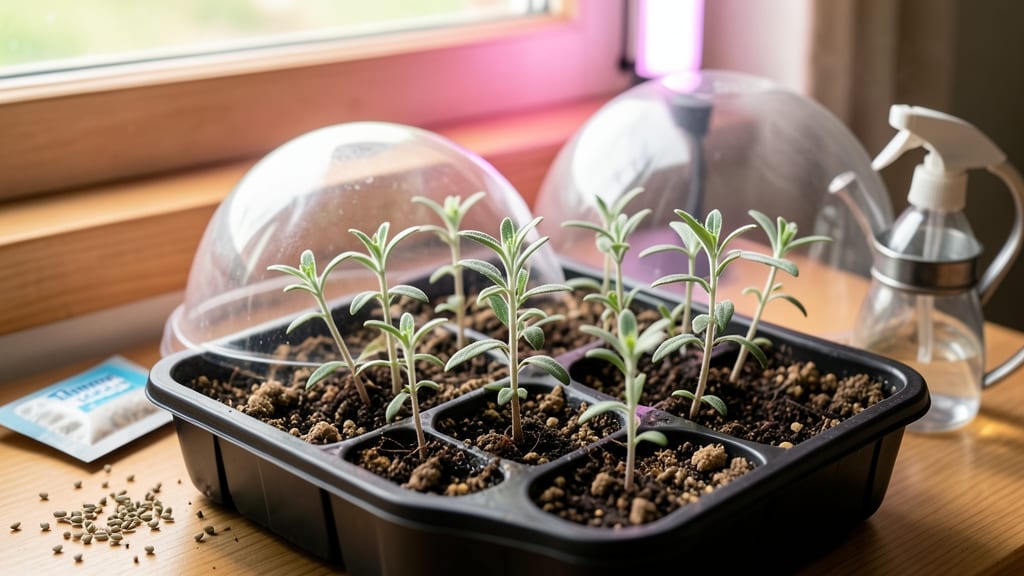
To start thyme seeds indoors, aim for February to March—about 8 to 10 weeks before your last frost—so seedlings are robust and ready to transplant.
Timing is everything when growing thyme from seeds: start too early, and seedlings will outgrow their containers; too late, and frost will kill them before they thrive. In USDA Zone 6a, that means getting seeds in the soil by mid-February to avoid weak, leggy plants by spring.
Thyme’s slow germination (10 to 21 days) and delicate early growth make this window critical. Miss it, and you’ll either be dealing with overcrowded pots or scrambling to save frost-bitten starts.
Below, I’ll break down the exact frost-date math, how to adjust for high-altitude or coastal climates, and the simple tricks to ensure your seedlings stay strong until transplant time.
Optimal indoor start dates for thyme seeds based on last frost dates
Getting thyme seeds indoors at the right time ensures robust plants ready for transplanting when your garden soil warms up. Thyme thrives with a 6-8 week indoor growing window before your region's last frost date.
This timing balances seedling maturity with outdoor conditions, preventing both leggy indoor plants and frost-sensitive young seedlings.
Your USDA hardiness zone dictates when to start thyme seeds. For example, gardeners in Zone 5 should begin indoors in early March, while those in Zone 8 can start as early as late January.
Coastal climates may extend this window slightly due to milder temperatures, while high-altitude areas might need an earlier start.
Here’s how to calculate your perfect start date: Find your average last frost date (check the USDA Plant Hardiness Zone Map or local agricultural extension), then count backward 8 weeks. For instance, if frost typically ends on April 15, start seeds by February 15 to ensure healthy transplants.
Adjustments are key for coastal regions (start 1-2 weeks later) and high-altitude gardens (start 1-2 weeks earlier). Coastal areas often have delayed frost, while mountain regions experience earlier spring thawing. Always verify with your local cooperative extension service for precise frost data.
| USDA Zone | Last Frost Date | Indoor Start Window | Transplant Ready | Notes |
|---|---|---|---|---|
| Zones 3-4 | May 1 | March 15-April 1 | May 15 | Cold climates; use grow lights |
| Zones 5-6 | April 15 | February 15-March 1 | April 15 | Standard timing for most gardeners |
| Zones 7-8 | March 1 | January 15-February 15 | March 15 | Milder winters; start earlier |
| Zones 9-10 | January 1 | November 15-December 15 | January 15 | Year-round growing possible |
| Coastal Adjustments | Varies (later frost) | Start 1-2 weeks later | Adjust accordingly | Check local microclimates |
| High Altitude | Earlier frost | Start 1-2 weeks earlier | Adjust transplant date | Use row covers if needed |
Once you’ve calculated your indoor start date, maintain consistent germination conditions (70°F soil temperature, moist but not soggy soil). Thyme seeds typically germinate in 10-21 days, so plan your seed tray size accordingly—aim for 2-3 inch pots to avoid overcrowding.
Transplant seedlings outdoors only after they’ve developed 4-6 sets of true leaves and soil temperatures reach 55°F or warmer. Harden off seedlings gradually by exposing them to outdoor conditions for 1-2 hours daily over 7-10 days before final planting.
For container gardening, thyme can stay indoors year-round if given adequate light. However, outdoor planting yields stronger, more aromatic plants. If you miss the ideal window, consider buying established plants or extending your indoor grow lights to delay transplanting.
Pro tip: Mark your calendar with three key dates—indoor start, transplant ready, and last frost. Use a
Signs your thyme seedlings are ready for transplanting (with mistakes to avoid)
Transplanting thyme seedlings at the right time ensures strong, established plants that thrive in your garden. Look for 4-6 sets of true leaves—these are the small, oval leaves that appear after the initial seedling leaves.
The seedlings should also be 2-3 inches tall with stems that are slightly thickened but still flexible. These visual cues indicate the seedlings have developed enough to handle outdoor conditions.
Another key sign is root-bound conditions. Gently remove a seedling from its container and check for roots circling the bottom or growing through drainage holes. If roots are dense and white, it’s time to transplant before they become root-bound.
Healthy roots should also have a fine, fibrous texture rather than looking mushy or brown.
⚠️ callout-warning ⚠️
⚠️ Common Mistakes When Transplanting Thyme Seedlings
- Overwatering before transplant: Soggy roots struggle to adapt. Water lightly 1-2 days before transplanting only.
- Skipping hardening off: Seedlings shocked by sudden outdoor conditions wilt or die. Gradually expose them to outdoor conditions for 7-10 days.
- Planting too deep: Burying stems risks rot. Keep the soil line at the same level as in the seedling pot.
Avoid these pitfalls to ensure your thyme seedlings thrive after transplanting! 🌱
Before transplanting, harden off your seedlings by placing them outdoors in a shaded area for 2-3 hours daily, gradually increasing exposure to sunlight and wind. Start this process 10-14 days before the planned transplant date. This helps seedlings adjust to outdoor conditions, reducing stress and improving survival rates.
Choose a sunny, well-draining location for transplanting thyme. The soil should be loamy and slightly alkaline, with a pH between 6.0 and 8.0. Amend heavy or clay soil with compost or sand to improve drainage.
Thyme prefers full sun (6+ hours daily), so avoid shady spots that can lead to leggy growth.
When transplanting, space seedlings 12-18 inches apart to allow for airflow and prevent fungal diseases. Dig holes slightly larger than the root ball and gently place each seedling into the soil, firming the earth around the base.
Water thoroughly after transplanting to help roots establish in their new home. Mulch lightly with straw or wood chips to retain moisture and suppress weeds.
After transplanting, monitor your thyme plants closely for signs of stress, such as yellowing leaves or wilting. These can indicate overwatering, underwatering, or poor soil conditions.
Thyme is drought-tolerant once established, so avoid overwatering, which can lead to root rot. Water deeply but infrequently, allowing the soil to dry out slightly between waterings.