
Propagation
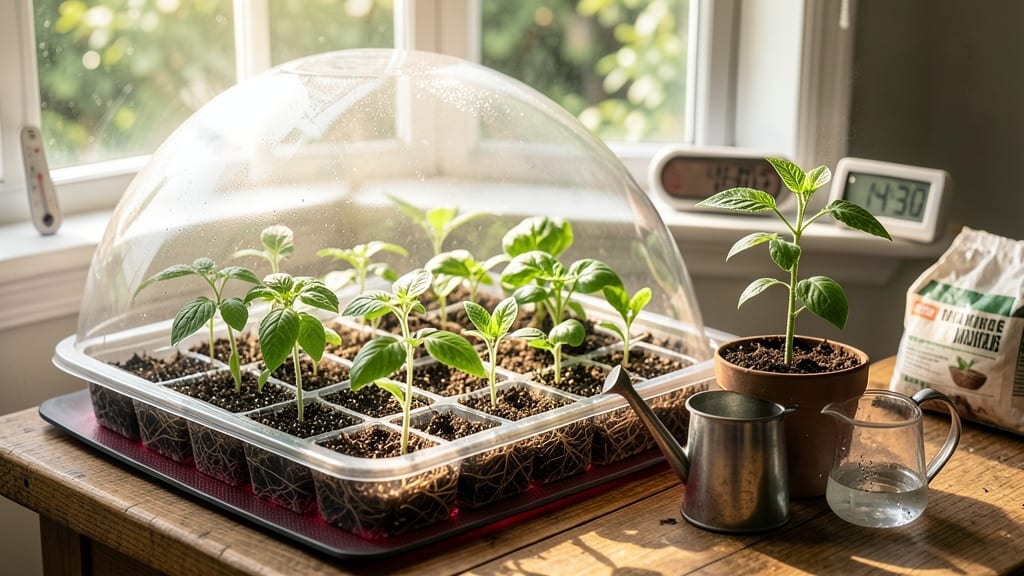
Starting seeds indoors in Zone 7a means timing them 4-8 weeks before your last frost—a window that can make or break your garden’s early success.
Picture this: You’ve got your seed trays ready, the soil is fluffy, and you’re eager to see those first sprouts—only to watch them bolt or stretch toward a window that’s never enough. The exact timing matters, and getting it wrong can leave you with leggy seedlings or missed harvests.
In Zone 7a, where the average last frost hovers around mid-April, cool-season crops like lettuce and spinach need an early start, while tomatoes and peppers can wait until late winter.
But what if your frost comes early? Or if you’re itching to plant sooner? We’ll break down the precise schedule, plus how to adjust for your specific microclimate.
By the end, you’ll know not just when to start your seeds, but how to give them the light, warmth, and care they need to thrive—so you’re ready to transplant strong seedlings the moment the ground is workable.
Zone 7a last frost dates: exact seed starting windows by plant type
In Zone 7a, where the average last frost date falls between March 15–April 15, timing your indoor seed starts is critical for avoiding leggy seedlings or late harvests.
Cool-season crops like lettuce and spinach thrive when started 6–8 weeks before your last frost, while tomatoes and peppers need a 4–6 week head start to mature before summer heat arrives. Understanding these windows ensures your seedlings are ready to transplant at the perfect moment.
Your Zone 7a frost-free season spans roughly 180 days, giving you a narrow window to get seeds started indoors without rushing or delaying.
For example, basil and cucumbers should wait until March 1–15 to avoid transplant shock from early heat, while kale and broccoli can start as early as February 15 for a spring harvest.
Below, I’ve broken down the exact indoor seed-starting schedule for your most popular crops, using maturity timelines and frost dates to keep your garden on track.
Pro Tip: Use a seed-starting calendar to mark your last frost date and work backward. For instance, if your frost date is April 1, start tomatoes (60–70 days to maturity) by February 1 to ensure they’re ready by April 15. Adjust for early or late frosts by ±7–10 days.
For cool-season crops, like broccoli and cauliflower, I recommend starting seeds 6–8 weeks before your last frost date. These plants tolerate light frosts and can even be direct-sown 4–6 weeks before the last frost if your soil is workable.
For example, if your frost date is April 1, begin broccoli seeds indoors on February 15 to transplant by March 15, ensuring a spring harvest before summer heat sets in.
On the other hand, warm-season crops like tomatoes and peppers require soil temperatures above 60°F to germinate and grow. In Zone 7a, this typically means waiting until March 1–15 to start seeds indoors.
These plants need 60–90 days to mature, so starting them too early can lead to overcrowded seedlings or bolting before they’re ready for transplanting. Use a seedling heat mat if your home stays cool to speed up germination.
Herbs like basil and cilantro have unique needs. Basil, for instance, hates cold and should only be started indoors after March 15 to avoid transplant shock. Cilantro, however, bolts in heat, so it’s better to direct-sow it outdoors in early spring or
How to adjust seed starting dates for early or late frost years
Zone 7a gardeners know frost dates can swing wildly from year to year—sometimes two weeks early or late—throwing off your entire planting schedule. The key to success is flexibility.
Instead of relying solely on the average last frost date (April 15), I adjust my seed-starting timeline based on historical data and microclimate factors. This ensures my seedlings are ready when the ground is actually frost-free, not just when the calendar says it should be.
Start by checking your local USDA frost records for the past 10 years. Note the earliest and latest frost dates in your area. For example, in my Zone 7a garden, frost has hit as early as March 20 and as late as May 5.
This wide range means I need a flexible plan—not a rigid one. Adjust your seed-starting window by 1-2 weeks earlier or later based on these extremes.
- 📅 Step 1: Track Local Frost Data
Use local weather records (not just USDA averages) to find your earliest and latest frost dates. Websites like Almanac.com or your local Cooperative Extension provide this data. - 🌡️ Step 2: Adjust Seed Starting by 1-2 Weeks
If frost arrives 2 weeks early, shift your warm-season crops (tomatoes, peppers) to start 2 weeks later. For cool-season crops (lettuce, spinach), start 1 week earlier to beat the frost. - 🏡 Step 3: Account for Microclimates
Low-lying areas or valleys frost earlier. If your garden is in a sheltered microclimate (e.g., near a hill or building), you may safely transplant 1 week earlier than the average frost date. - 🔥 Step 4: Use Heat Mats for Early Starts
If frost threatens early, use seedling heat mats (70-75°F) to speed up germination and harden off seedlings faster. This buys you 10-14 days of extra growing time before transplanting. - 📝 Step 5: Keep a Seed-Starting Journal
Record your actual frost dates, seed-starting dates, and transplanting success. Over time, you’ll spot patterns and refine your schedule. For example, I’ve learned my tomatoes thrive when started March 1 for a May 1 transplant—even if the average frost is April 15.
Don’t forget to consider your seedling maturity timeline. Some plants, like basil or cucumbers, grow quickly and can handle a late start if transplanted early. Others, like tomatoes or peppers, need 60-80 days to mature and are more sensitive to delays.
If frost arrives late, I often prioritize fast-growing crops or use row covers to extend the season.
Another trick I use is staggered planting. For example, I might start half my tomato seeds on the earliest recommended date and the other half 2 weeks later.
This way, if frost hits early, I still have a backup batch of seedlings ready to go once the danger passes. It’s a simple strategy that minimizes risk without requiring extra space.
Finally, pay attention to soil temperature, not just air temperature. Use a soil thermometer to confirm the ground is at least 50°F before transplanting. Cold soil can stunt growth, even if the air is warm.
In my garden, I’ve had years where the air warmed up early, but the soil stayed cold until May 10. Adjusting for this has saved my seedlings from shock.
With these adjustments, you’ll avoid the heartbreak of frost-nipped seedlings or overgrown, leggy plants that struggle to adapt. Flexibility is the name of the game in Zone 7a gardening—plan ahead, but stay ready to pivot when Mother Nature throws you a curveball. 🌱