
How To
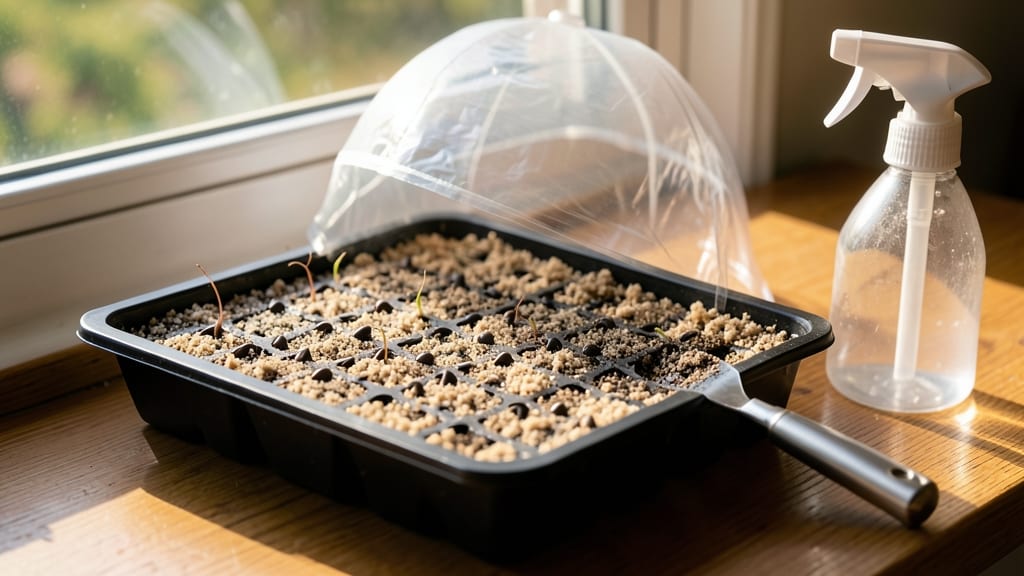
To start zinnia seeds indoors for fast summer blooms, aim for 6-8 weeks before your last frost date—this timing turns delicate seedlings into hardy plants ready for transplant.
Zinnias are a gardener’s dream—vibrant blooms that attract pollinators and thrive in full sun—but timing your indoor starts can mean the difference between a summer of color and a season of disappointment.
In Zone 6a, that means starting seeds in early March for a late-April transplant, just as soil warms. Skip the guesswork with a cold-stress trick that jumpstarts growth and hardens seedlings before they hit the garden.
Below, I’ll walk you through the exact timing for your region, how to use cold stress for faster blooms, and the three mistakes that kill zinnia seedlings before they even sprout.
Optimal indoor starting times for zinnia seeds by climate zone
Timing your zinnia seed starts indoors depends on your USDA climate zone and last frost date. Since zinnias thrive in warm weather, starting them too early can lead to leggy seedlings, while late starts may delay blooms until fall.
The 6-8 week indoor growth window before transplanting is critical for strong, hardy plants ready to face outdoor conditions.
Most gardeners use the cold-stress method to accelerate growth—exposing seedlings to cooler temperatures for 1-2 weeks before transplanting. This mimics spring conditions and prevents shock when moving plants outside. For USDA zones 3-5, this method is especially valuable due to shorter growing seasons.
Below is your climate zone guide for starting zinnia seeds indoors, accounting for regional frost dates and bloom timing goals. Adjust based on your last frost date and whether you prefer early summer or late summer blooms.
For USDA zones 3-5, starting seeds in early April ensures blooms by late July, while gardeners in zones 6-7 can begin as early as mid-February for June blooms.
In warmer zones (8-10), you can start seeds much earlier—even December—for early spring color. However, avoid starting too early, as zinnias dislike cold soil and may rot.
If you want extended blooms, consider making a second indoor start 4-6 weeks after your first batch. This ensures flowers from early summer through fall. For example, in zone 6, start your first batch in mid-February and a second in early April for continuous color until frost.
Pro tip: Use a seedling heat mat ($15-$25) to maintain soil temps between 70-75°F during germination. This speeds up sprouting from 7-10 days to just 5-7 days. Once seedlings emerge, reduce heat to 65-70°F during the day and 55-60°F at night to encourage sturdy growth.
Monitor your local extended weather forecast in early spring. If an unexpected late frost is predicted, delay transplanting by 1-2 weeks or use row covers for protection. Zinnias are frost-sensitive, so rushing them outside too soon can stunt their growth or kill them entirely.
For container gardening, start seeds indoors 2 weeks earlier than the table suggests. Smaller pots dry out faster, and zinnias in containers need extra time to establish roots before transplanting. Use well-draining seedling mix and 4-inch pots to prevent overcrowding and disease.
Remember: The cold-stress method isn’t just about timing—it’s about hardening seedlings. Gradually expose them to cooler temps (down to 50°F) and outdoor conditions for 1-2 weeks before transplanting. This builds resilience and ensures your zinnias thrive from day one in the garden. 🌼
The cold-stress trick: how to harden zinnia seedlings faster
Zinnia seedlings can grow leggy and weak when rushed indoors, but a cold-stress hardening method accelerates maturity while strengthening stems. This technique mimics outdoor conditions, preparing seedlings for transplant 2-3 weeks earlier than traditional methods. The key? Gradual temperature drops combined with bright light exposure to prevent etiolation.
Before starting, ensure your seedlings have 2-3 true leaves and are at least 3-4 inches tall. Cold-stressing works best when seedlings are actively growing but not yet flowering. Use a thermometer to monitor soil and air temperatures—this precision prevents shock.
My favorite setup uses a seedling heat mat for daytime warmth and a cooling tray with ice packs for nighttime chills.
- 1 Verify soil temperature: Use a soil thermometer to confirm temps between 60-65°F (15-18°C). Zinnia roots struggle below 55°F (13°C), so adjust your heat mat accordingly.
- 2 Day 1-3: Gradual temperature drop: Reduce nighttime temps by 5°F (3°C) daily using a cooling tray or fridge (set to 45-50°F/7-10°C). Keep daytime temps at 70-75°F (21-24°C) under grow lights.
- 3 Increase light exposure: Move seedlings to a south-facing window or under LED grow lights (12-14 hours/day). Use a reflector to maximize brightness—zinnias need 10,000+ lux to avoid stretching.
- 4 Water sparingly: Reduce watering to every 3-4 days—damp soil prevents root rot during cold stress. Use a spray bottle for misting instead of bottom-watering to avoid over-saturation.
- 5 Acclimate outdoors: After 7-10 days of cold stress, place seedlings in a shaded outdoor spot for 2 hours/day, increasing time daily. Harden for 5-7 days total before transplanting.
Troubleshooting is critical—leggy seedlings often signal insufficient light, while yellowing leaves may indicate overwatering during cold stress. If stems stretch beyond 6 inches, return seedlings to warmer temps (75°F/24°C) and supplement with grow lights for 24 hours.
My USDA Zone 7 zinnias thrived after cold-stressing, blooming 3 weeks earlier than non-hardened plants!
For dwarf zinnias, reduce the cold-stress duration to 5-7 days—their delicate stems handle shorter chills. Always monitor humidity levels (aim for 40-50%) to prevent fungal issues like powdery mildew.
The payoff? Seedlings transplant with thicker stems and faster root establishment, giving you a head start on summer color.
Pro tip: Label your cold-stressed trays with the start date—this helps track progress. Most zinnias will double in height after hardening, so plan your garden layout accordingly. With this method, even late starts can yield blooms by early July in cooler climates.