
Container Gardens
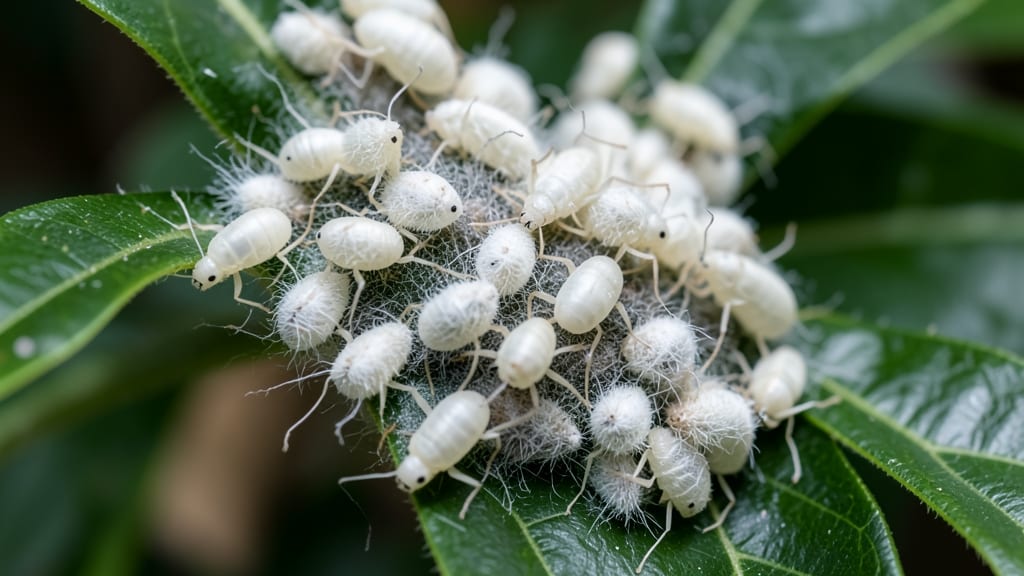
White aphids on indoor plants turn lush leaves into sticky, sooty messes faster than you can say "pest problem." 🌿 I’ve battled these tiny white invaders—fluffy as cotton balls—on my ferns and peace lilies, and learned the fastest way to stop them without harsh chemicals.
The key is acting within 24 hours before they multiply into a full-blown crisis. These pests don’t just look gross—they drain sap, weaken plants, and leave behind a sticky residue that attracts mold. My first mistake? Waiting too long to act.
Once they spread to new leaves, the battle gets harder. But with the right spray (homemade or store-bought), you can wipe them out in under 10 minutes—no gloves or fancy tools required. You’ll see results immediately: aphids drop off, leaves start looking fresh again, and new growth stays healthy.
The secret? A mix of soapy water and neem oil that smothers them on contact while being safe for your plants. No more helplessly watching your indoor jungle turn white.
Prevention is even simpler: wipe leaves weekly with damp cloths, isolate new plants for a week, and keep humidity in check. Trust me, once you’ve saved a plant from these pests, you’ll never ignore the first sign again.
Root Causes of White Aphids
White aphids—often called woolly aphids or mealybugs—are a frustrating sight on your indoor plants. But before you reach for that spray bottle, let’s break down the real reasons these pests invade your leafy friends. Understanding the cause helps you tackle the problem at its source.
Aphids thrive where plants are weakened or overcrowded.
Here’s why: - Poor air circulation creates a humid microclimate, perfect for aphid eggs to hatch and multiply. - Stressed plants (due to overwatering, underwatering, or nutrient deficiencies) produce sweeter sap, which aphids adore like a gourmet buffet. - Overpotting or root-bound plants struggle to absorb nutrients, making them more vulnerable to pests.
Actionable fix: Prune crowded foliage, repot if roots are bound, and ensure your plant has at least 2–3 inches of space around it for airflow.
Just like humans, plants have natural defenses—but when those defenses drop, pests strike.
- Underwatering causes stress, leading to sap buildup that aphids exploit.
- Overfertilizing (especially with high-nitrogen formulas) makes plants softer and more attractive to aphids.
- New or recovering plants (after repotting or pruning) are highly susceptible because their energy is focused on regrowth, not pest resistance.
Actionable fix: Water consistently (check soil moisture before watering) and use a balanced, organic fertilizer (like fish emulsion) to boost plant resilience.
Aphids don’t just appear—they’re drawn in by specific conditions: - Honeydew residue (sticky aphid waste) attracts ants, which protect aphids in exchange for food.
This creates a pest alliance that’s hard to break. - Soft, new growth (like tender leaves or flower buds) is aphid catnip—they prefer these over mature leaves. - Warm, humid environments (common in bathrooms or kitchens) speed up aphid reproduction, leading to outbreaks in days.
Actionable fix: Wipe down leaves with a neem oil spray (1 tsp neem oil + 1 tsp mild soap per quart of water) to disrupt their life cycle. Also, keep ant trails away from plants—use diatomaceous earth as a barrier.
Sometimes, you’re the reason they’re there!
- New plants or soil can carry hidden aphid eggs or larvae.
- Contaminated tools (pruners, pots, or even your hands) can transfer pests from one plant to another.
- Outdoor plants near windows or doors may accidentally introduce aphids when brought inside.
Actionable fix: Quarantine new plants for 2–4 weeks, inspect leaves undersides and stems, and sterilize tools with rubbing alcohol between uses.
Indoor growing conditions can unintentionally encourage aphids:
- Low light weakens plants, making them easier targets.
- High humidity (without airflow) creates a aphid paradise.
- Sudden temperature drops (like drafts from AC or open windows) shock plants, lowering their resistance.
Actionable fix: Place plants near bright, indirect light (east or north-facing windows work best). Use a small fan on low setting to improve airflow without damaging leaves.
Catch aphids before they take over by watching for: ✅ Sticky residue on leaves (aphid honeydew). ✅ Cotton-like tufts (woolly aphids) or white fluff (mealybugs). ✅ Curling or yellowing leaves (aphids suck sap, starving the plant).
Act fast—the sooner you address the cause, the easier the fix!
Quick Fixes for Tiny White Invaders
Got those pesky white aphids wreaking havoc on your indoor plants? 🌱🚨 Don’t panic—these solutions are fast, effective, and easy to implement. Below, we’ll map the cause to the fix, so you can tackle the problem head-on without harsh chemicals.
Plus, we’ll share prevention tips to keep your green babies aphid-free for good!
If your plants are packed too closely or struggling from poor light, they’re aphid magnets. White aphids thrive on weak, stressed foliage, so quarantine the affected plant immediately to stop the spread.
How to Fix It: 🔹 🌿 Move the plant to a brighter spot (but avoid direct sunburn). 🔹 💦 Give it a shower—spray with water to dislodge aphids (use a gentle stream to avoid damaging leaves). 🔹 🍃 Trim affected leaves with clean scissors and dispose of them in sealed trash. 🔹 🌱 Repot if needed—overcrowded roots = more stress. Use fresh, well-draining soil.
Prevention Tip: 💡 Space plants 2–3 inches apart to improve airflow and reduce stress.
White aphids (like mealybugs or woolly aphids) hate sticky, soapy, or oily solutions. These homemade sprays kill on contact without harming your plants (or pets!).
How to Fix It: 🔹 🧼 Soap Spray (Best for Mealybugs & Woolly Aphids)
- Mix 1 tbsp mild dish soap (like Dawn) + 1 quart water in a spray bottle.
- Shake well and spray directly on infested areas (especially undersides of leaves).
- Wait 2–3 hours, then rinse with water.
- Repeat every 3–5 days until gone.
🔹 🍋 Vinegar & Oil Spray (Kills Eggs & Adults)
- Combine 1 tbsp white vinegar + 1 tbsp vegetable oil + 1 quart water.
- Add 1 tsp dish soap to help it stick.
- Spray evenly on leaves (test on a small area first).
- Reapply every 2 days for stubborn infestations.
🔹 🌿 Neem Oil (Long-Term Defense)
- Mix 1 tsp neem oil + 1 tsp mild soap + 1 quart water.
- Spray all plant surfaces, including stems and soil.
- Reapply weekly for 4–6 weeks to break the aphid life cycle.
Pro Tip: ✨ Spray in the evening to avoid harming beneficial insects like ladybugs.
If aphids are everywhere, combine physical removal with traps for a two-pronged attack.
How to Fix It: 🔹 🧽 Wipe Down Leaves
- Dip a soft cloth or cotton swab in rubbing alcohol (70% isopropyl).
- Gently dab (don’t rub too hard!) on clusters of aphids.
- Works best for small, localized outbreaks.
🔹 🕷️ Set Up Sticky Traps
- Place yellow sticky traps near the plant to catch flying aphids.
- Hang them 1–2 feet above the plant for maximum effectiveness.
🔹 🐞 Introduce Beneficial Insects (If Safe)
- Ladybugs, lacewings, or parasitic wasps love aphids!
- Buy them online or from garden centers (check if they’re safe for indoor use).
Prevention Tip: 🌡️ Keep humidity low (40–60%)—aphids adore damp, humid conditions.
Once you’ve banished the white aphids, lock them out with these habits:
- 🌱 Inspect new plants before bringing them indoors (quarantine for 2 weeks).
- 🍃 Clean up debris—fallen leaves or dead flowers can harbor pests.
- 💦 Water at the base (not overhead) to keep leaves dry.
- 🌿 Rotate plants occasionally to ensure even light exposure.
- 🔄 Check undersides of leaves weekly for early signs of infestation.
Final Thought: 🎯 Act fast, stay consistent, and your plants will bounce back stronger! Most infestations clear up in 1–2 weeks with these methods. If the problem persists, consider professional pest control for stubborn cases.
Frequently asked questions
Are white aphids the same as mealybugs or woolly aphids?
Not exactly! White aphids can refer to different pests, but mealybugs appear as cottony white clusters, while woolly aphids have fluffy white filaments. All three (white aphids, mealybugs, and woolly aphids) are sap-sucking pests that leave sticky residue, but their treatment methods are nearly identical. The key difference is their appearance—check for fuzzy tufts or cottony masses to identify which you're dealing with.
Why do my plants get white aphids even after I treat them?
Persistent white aphids usually mean one of three things: reinfestation (new eggs hatch after treatment), hidden infestations (check stems and undersides of leaves), or environmental factors (like high humidity or poor airflow). Try a neem oil spray (applied weekly for 4 weeks) to break their life cycle, and quarantine new plants for 2–4 weeks to prevent spread.
Can I use store-bought insecticides instead of homemade sprays?
Yes, but choose organic insecticides like pyrethrin-based sprays or horticultural oils—these are safer for indoor plants and pets. Avoid chemical insecticides (like malathion) indoors, as they can harm your health and beneficial insects. For severe infestations, insecticidal soap (70% effectiveness) or neem oil (90% effectiveness) work better long-term than synthetic pesticides.
How do I know if my plant is recovering from white aphids?
Look for these signs: new growth without sticky residue, fewer white clusters on leaves, and perky, green foliage instead of yellowing or curling. If you see ants on your plant, they’re likely still protecting aphids—use diatomaceous earth as a barrier to break their alliance. Recovery usually takes 2–4 weeks with consistent treatment.
Are white aphids harmful to humans or pets?
Direct contact with white aphids won’t harm humans or pets, but their honeydew residue can attract mold or ants. Some pets (like cats) might try to eat infested leaves, which could cause mild stomach upset. If you’re using neem oil or insecticidal soap, keep pets away until the spray dries completely (usually 1–2 hours