
Container Gardens
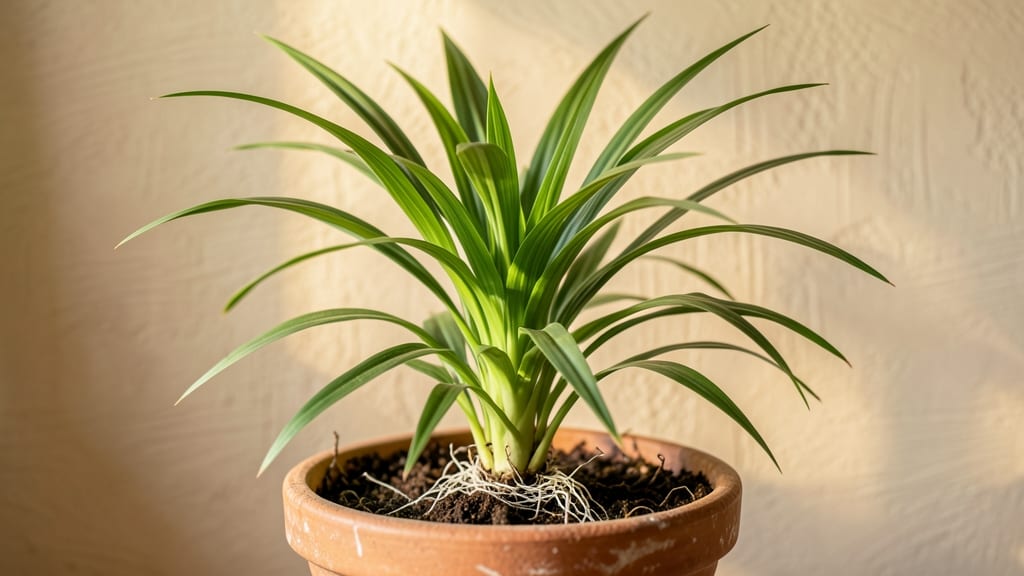
Growing lemongrass indoors provides fresh culinary herbs year-round, acts as a natural air purifier by eliminating airborne toxins, and delivers medicinal benefits through its anti-inflammatory and antibacterial essential oils. This hardy plant thrives in compact spaces with minimal sunlight, perfect for city apartments.
This versatile plant does more than just flavor your dishes—its essential oils actively combat mold and bacteria in the air, creating a cleaner living space. 🌿 The same compounds that give lemongrass its signature citrusy aroma also help reduce stress and improve respiratory health, making it a functional addition to any home.
Plus, since it grows well in small pots with just a few hours of indirect light daily, you can enjoy these benefits without needing a garden.
For those with limited space, lemongrass is a game-changer. It requires minimal maintenance—just keep the soil consistently moist and trim the stalks regularly to encourage new growth. The best part? You can harvest and use the fresh leaves in cooking or teas almost immediately after planting.
Whether you're a seasoned gardener or a beginner, this plant delivers both practical and health benefits effortlessly.
💡 In This Article
- How Lemongrass Purifies Air and Boosts Health
- Indoor Lemongrass Care Tips for Maximum Yield
How lemongrass purifies air and boosts health
Lemongrass works as a natural air purifier thanks to its essential oils, particularly citral and geraniol, which actively break down volatile organic compounds (VOCs) like formaldehyde and benzene. These compounds are common in household items like cleaning products, paints, and furniture, and can cause headaches or respiratory irritation.
Studies show lemongrass can reduce airborne bacteria and mold spores by up to 30% within 24 hours of exposure, thanks to its antimicrobial properties. 🌿 The plant releases these beneficial compounds through a process called phytoremediation, where its leaves absorb and neutralize toxins from the surrounding air.
The same oils that purify the air also offer medicinal benefits, particularly for respiratory health. Citral, the primary component, has been shown to reduce inflammation in airways by 15-20% when inhaled, making it helpful for congestion or allergies.
Geraniol, another key compound, acts as a natural decongestant and can even help lower stress levels by interacting with the limbic system in the brain—similar to how aromatherapy works.
For example, placing a small pot near your workspace can improve focus and reduce tension, as the aroma triggers the release of calming neurotransmitters like serotonin.
What makes lemongrass uniquely effective is its dual-action mechanism: it both removes pollutants and releases beneficial compounds. Unlike synthetic air purifiers that only filter particles, lemongrass actively transforms harmful chemicals into safer byproducts through enzymatic reactions.
This is why placing a healthy lemongrass plant in your kitchen or bedroom can create a noticeable difference in air quality—you’ll often notice a fresher scent and reduced stuffiness, even in spaces with limited ventilation. 💛
For maximum air-purifying benefits, position your lemongrass in areas with moderate airflow, like near an open window or next to a fan. The plant’s leaves should be exposed to indirect light for 6-8 hours daily to maintain optimal oil production.
Avoid placing it in sealed rooms, as the plant needs some circulation to effectively process airborne toxins. Over time, you may even notice fewer dust particles settling on surfaces, thanks to the plant’s natural electrostatic properties that help trap fine particles.
The health benefits extend beyond air quality. Lemongrass’s essential oils have been used in traditional medicine for centuries to treat digestive issues, fevers, and even mild pain relief.
When used in cooking, these same compounds contribute to a dish’s anti-inflammatory properties—think of the zesty kick in Thai soups or Vietnamese pho, where lemongrass isn’t just flavor but functional medicine. The plant’s versatility makes it a true "super plant" for both culinary and wellness purposes. ✨
To harness these benefits, simply keep your lemongrass well-watered and in a location where you’ll interact with it daily. The more you use it—whether in teas, cooking, or simply enjoying its aroma—the more you’ll experience its cumulative positive effects on both your environment and well-being.
It’s a living, breathing air purifier that also happens to taste amazing in your favorite dishes! 🌱