
Container Gardens
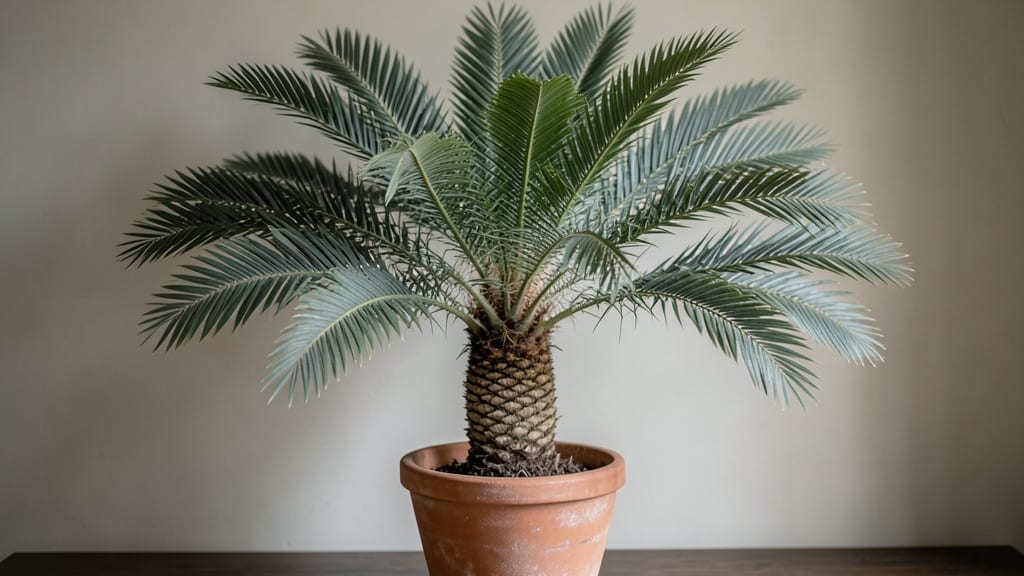
Growing a date palm indoors brings desert elegance to any space—even with just bright indirect light. 🌴 I’ve kept mine thriving for years in my sunroom, where it reaches 8 feet tall without needing direct sunlight. The key is mimicking its natural habitat with minimal fuss.
You’ll need a large container (at least 2 feet wide), well-draining soil mix, and patience—these palms grow slowly but steadily. Overwatering is the #1 killer, so let the top 2 inches dry out between waterings. Brown tips? Usually just low humidity or fluoride in tap water.
By winter, you’ll have a lush, architectural centerpiece that purifies the air and makes guests ask, "What kind of palm is that?" The secret is consistency: same light spot, same watering routine, and occasional misting for that tropical feel.
Perfect for apartments, offices, or sunrooms with limited natural light. Here’s how to keep yours looking showstopping all year.
📚 In This Guide
- What you need
- Instructions
- Tips and common mistakes
- Wrapping up and next steps
What you need
- ● Date Palm Plant: A young Phoenix dactylifera (dwarf varieties like 'Tiger Date Palm' or 'Canary Island Date Palm' work best for indoor growing). Size: 2–4 feet tall (potted).
- ● Container: A drainage-heavy pot (1–2 sizes larger than the root ball) with holes. Material: Terracotta (breathable) or ceramic (aesthetic). Size: 12–18 inches in diameter.
- ● Potting Mix: A well-draining, sandy blend (60% cactus/succulent mix + 40% perlite/pumice). Avoid: Heavy garden soil or peat.
- ● Gravel or Pebbles: 1–2 inches of coarse gravel (for drainage layer at pot bottom).
- ● Gloves & Trowel: For handling soil and transplanting.
- ● Watering Can: With a narrow spout for precise watering (avoid over-saturation).
- ○ Humidity Tray: Optional but helpful (fill with pebbles + water).
- ○ Grow Lights (Optional): LED full-spectrum bulbs (12–14 hrs/day) if natural light is <300 lumens/ft².
- ● Fertilizer: Balanced liquid fertilizer (10-10-10 or 20-20-20), diluted to half-strength.
- ● ✨ Light Check: Place near a south- or west-facing window (or supplement with grow lights).
- ● 🌡️ Temp Range: Keep between 65–85°F (avoid drafts or cold windowsills).
- ● 💧 Watering: Let top 2 inches of soil dry between waterings (overwatering = root rot!).
Step-by-Step instructions for growing a date palm indoors
Here's how to bring home a date palm and keep it thriving year-round with minimal fuss.
🪴 Step 1: Choose the Right Container and Soil
Pick a container with drainage holes that's 2-3 inches wider than the palm's root ball. I like ceramic pots because they wick away excess moisture and keep roots cool. Avoid plastic—it traps heat and encourages root rot.
Use a well-draining potting mix designed for palms or cacti. I blend 60% peat moss, 20% perlite, and 20% coarse sand to replicate the sandy desert soil palms love. Fill the pot halfway with mix, then place the palm on top, centering it so the fronds spread evenly.
🌱 Step 2: Plant and Water Gently
Remove the palm from its nursery pot and loosen the roots if they're circling. This prevents root-bound shock later. Place it in the prepared container and fill around the sides with your mix, pressing lightly to eliminate air pockets. The soil line should sit ½ inch below the pot rim—this prevents water from spilling over when you water.
Water thoroughly until it drains from the bottom holes, then let it sit for 15 minutes to absorb completely. After that, water only when the top 2-3 inches of soil feel dry to the touch. Overwatering is the #1 killer of indoor palms—yellowing fronds are your first warning sign.
☀️ Step 3: Position for Bright, Indirect Light
Date palms tolerate low light better than most tropicals, but they'll grow fastest with bright, indirect light near an east or south-facing window. Avoid harsh afternoon sun—it scalds the fronds and leaves brown patches. If your home is dim, supplement with a grow light kept 12-18 inches away for 12-14 hours daily.
Rotate the pot a quarter turn weekly so the palm grows evenly. You'll notice one side stretching toward the light? That's your cue to move it closer or add a grow light. Leggy growth means it's hungry for more brightness.
💧 Step 4: Maintain Humidity and Fertilize Lightly
Mist the fronds 2-3 times weekly to recreate the humidity of their native desert oases. I also place the pot on a tray of pebbles filled with water to create extra moisture around the roots. Just keep the pot elevated so the bottom doesn't sit in water.
Feed with a balanced liquid fertilizer (10-10-10) diluted to half strength every 6-8 weeks during spring and summer. Skip fertilizer in fall and winter—palms go dormant when days shorten, and feeding then stresses the plant. Always water before fertilizing to prevent root burn.
✂️ Step 5: Prune and Repot as Needed
Remove yellow or brown fronds at the base with clean pruners, cutting them off ½ inch above the trunk. This keeps the palm looking tidy and prevents pests from hiding in dead fronds. I prune mine in early spring before new growth begins—it's when the plant has energy to recover.
Repot every 2-3 years in spring, moving up 1-2 pot sizes at a time. If you see roots circling the bottom or growing out of drainage holes, it's time. Gently tease apart any tangled roots and trim any that look mushy or black—these are rotting and need removal.
Tips & tricks for perfect indoor date palm care
Here's what nobody tells you about keeping your tropical beauty thriving without the fuss.
Container Intelligence: That 2-3 inch wider pot recommendation isn't arbitrary - it gives roots room to breathe while preventing overcrowding. I've learned the hard way that plastic pots trap too much moisture, so ceramic or terracotta is your best bet. Pro tip: Add a layer of pebbles at the bottom of the pot before soil to improve drainage further.
Root Handling Secret: When you're loosening those circling roots in Step 2, don't be afraid to trim them back by about 25% if they're really tangled. This prevents shock later and encourages new, healthy growth. I always use sterilized scissors for this - it's worth the small investment to prevent infections.
Light Rotation Strategy: That weekly quarter-turn rotation in Step 3 might seem minor, but it's crucial for preventing lopsided growth. I set a reminder on my phone for this because I've caught myself skipping it when the palm looks fine from one side. Think of it as giving your palm a gentle massage to keep it balanced.
Fertilizer Timing: The 6-8 week feeding schedule is perfect, but here's the part nobody emphasizes: Always water your palm first, then wait 24 hours before fertilizing. This prevents root burn from the concentrated nutrients. I keep a small spray bottle labeled "Fertilizer Day" to remind myself of this sequence.
Pro Tips for Date Palm Indoors
- Here's what nobody tells you about keeping your tropical beauty thriving without the fuss.
- Container Intelligence: That 2-3 inch wider pot recommendation isn't arbitrary - it gives roots room to breathe while preventing overcrowding.
- Root Handling Secret: When you're loosening those circling roots in Step 2, don't be afraid to trim them back by about 25% if they're really tangled.
Frequently asked questions
Can a date palm really thrive indoors with low light?
A Phoenix dactylifera (date palm) is adaptable but prefers bright, indirect light. While it can survive in low-light conditions, growth may slow, and fronds could yellow over time. Place it near a south- or west-facing window for best results. If natural light is limited, supplement with a grow light (12–14 hours/day) to mimic sunlight.
How fast do indoor date palms grow, and when will it produce fruit?
Indoor date palms grow slowly—about 6–12 inches per year—due to limited space and light. Fruit production is rare indoors unless the plant is mature (10+ years old) and given ideal conditions (high humidity, warm temps, and bright light). Even then, fruiting is unpredictable. Focus on keeping it healthy for foliage, not harvests!
Why are my date palm’s fronds turning brown or yellow?
Brown tips or yellowing fronds usually signal underwatering, overwatering, or low humidity. Check the soil—it should be slightly moist but not soggy. Mist the fronds regularly (or use a pebble tray) to boost humidity. Avoid cold drafts, as date palms hate temperature drops below 50°F (10°C).
What’s the best pot size and soil mix for an indoor date palm?
Start with a 12–16-inch pot (with drainage holes!) and upgrade by 2–3 inches every 2–3 years. Use a well-draining mix like:
- 50% cactus/succulent soil
- 30% perlite or pumice (for aeration)
- 20% peat moss or coconut coir (for moisture retention)
Are there smaller date palm varieties better for apartments?
Yes! If space is tight, consider:
- Pygmy date palm (Phoenix roebelenii) – Grows 6–10 feet tall, thrives in low light, and tolerates humidity fluctuations.
- Canary Island date palm (Phoenix canariensis) – Slower-growing (1–2 feet/year) and more forgiving of indoor conditions.
How do I revive a struggling indoor date palm?
If your palm looks really sad (wilting, moldy soil, or dropping fronds), act fast:
- Stop watering immediately and let the soil dry out.
- Repot in fresh, sterile soil to prevent root rot.
- Move to a brighter spot (or under a grow light).
- Trim dead fronds at the base with clean scissors.
Wrapping up and next steps
Growing a date palm indoors is a rewarding way to bring tropical elegance into your home—even with minimal light! 🌿 With the right care, patience, and a few simple adjustments, you can enjoy its lush fronds and exotic charm year-round.
Whether you're a seasoned plant parent or just starting, this resilient beauty makes a stunning statement in any space.
Ready to take the next step? Start with a healthy plant, monitor its needs, and soon you’ll be rewarded with vibrant growth. Happy planting! 🌱