
Planting
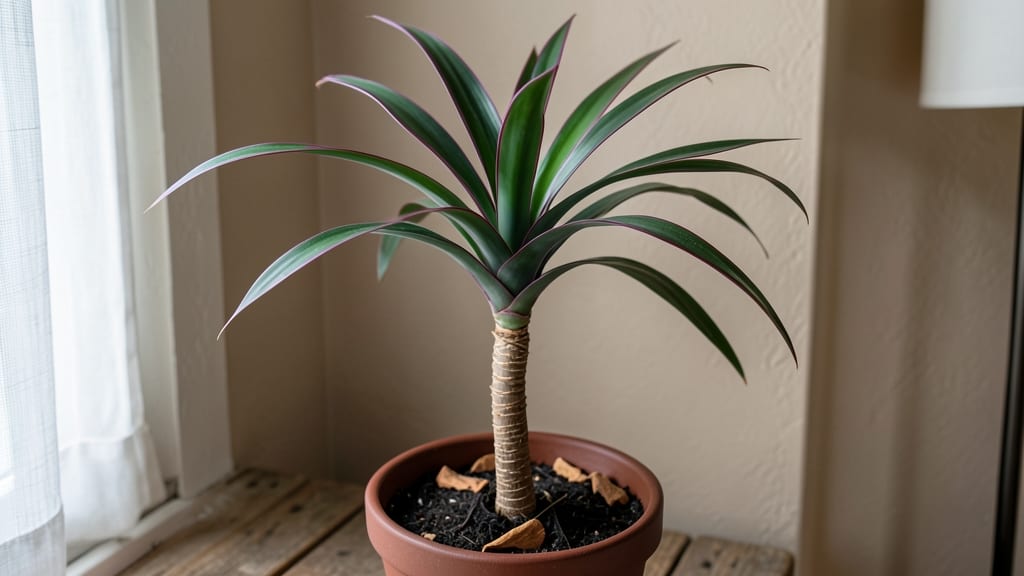
Growing dragon plant indoors with barely any sunlight is my secret weapon for bringing architectural drama to dim corners. 🌱 This sleek, upright plant thrives where most give up—think fluorescent-lit offices, north-facing windows, or even a closet with a grow light.
The key is understanding its natural resilience and working with it, not against it.
You'll need a well-draining potting mix, a pot with drainage holes, and a watering routine that mimics its arid African roots. Most people overwater, turning their dragon plant into a sad, mushy mess.
I've learned to let the top 2-3 inches dry out completely between waterings—yes, even in winter when the air feels like a desert.
By the end of three months, you'll have a lush, 3-4 foot tall plant that looks like it belongs in a botanical garden, not your living room. The dark green leaves with red-edged stripes create stunning contrast against any decor.
Pruning is simple: just snip off leggy stems at the base and propagate them in water.
This plant handles everything from dry office air to the occasional forgotten watering. The real magic happens when you place it where others fail—like that spot by the back door with no natural light. Here's how to make it thrive in your space, no matter how dim it gets.
📚 In This Guide
- What you need
- Instructions
- Tips and common mistakes
- Wrapping up and next steps
What you need
- ● Dragon Plant (Dracaena marginata): 1 healthy plant (choose a 6–12" pot size for beginners).
- ● Well-draining potting mix: 1 bag (1–2 gallons) of cactus or succulent mix (or blend with perlite/pumice for aeration).
- ● Pot with drainage holes: 1 ceramic or terracotta pot (1–2 sizes larger than the plant’s current container).
- ● Watering can with a narrow spout: 1 (to avoid overwatering).
- ● Pruning shears or scissors: 1 pair (for trimming dead leaves or propagating).
- ● Houseplant fertilizer: 1 balanced liquid fertilizer (5-5-5 or 10-10-10 NPK ratio).
- ○ Grow lights (optional): 1–2 LED grow bulbs (if natural light is very limited).
- ○ Peat moss or coconut coir (optional): Small bag (for repotting or soil amendments).
- ○ Misting bottle (optional): 1 (to increase humidity in dry climates).
Step-by-step guide to growing a thriving indoor dragon plant
Here's how to keep your dragon plant lush and happy even in dim corners.
🪴 Step 1: Choose the Right Container and Soil Mix
Start with a pot that has drainage holes—dragon plants hate soggy roots. I like to use a 6-8 inch ceramic pot for my plants because it allows airflow while keeping moisture balanced. The soil mix should be well-draining but still able to retain some moisture. A blend of 50% potting soil, 30% perlite, and 20% orchid bark works perfectly for me. This combination prevents root rot while keeping the roots hydrated.
Fill the pot about two-thirds full with your mix, leaving room for the plant's root ball. Gently press down on the soil to remove air pockets, but don't compact it too tightly. This ensures the roots can easily spread and access nutrients. I always tap the sides of the pot a few times to settle everything evenly.
🌱 Step 2: Plant and Position for Low-Light Success
Remove your dragon plant from its current container and gently loosen the roots if they're tightly bound. Place it in the center of your new pot and fill the remaining space with the prepared soil mix. Press lightly around the base to secure the plant, but don't pack it down too firmly. This helps the roots establish without smothering them.
Here's the thing—dragon plants can tolerate low light, but they still need some indirect light to thrive. Position your plant near a north-facing window or about 3-5 feet away from a south or east-facing window. If your space is truly dark, like a windowless room, a grow light on a timer for 12-14 hours a day will keep it happy. Watch for leaves that start to stretch or lose color—that's your sign to move it closer to a light source.
💧 Step 3: Water Wisely to Avoid Root Rot
Water your dragon plant only when the top 1-2 inches of soil feel dry to the touch. Stick your finger into the soil—if it's damp, wait a few more days. Overwatering is the number one killer of indoor dragon plants, so I always err on the side of underwatering. When you do water, pour it slowly until it drains out the bottom of the pot. Empty the saucer afterward to prevent the roots from sitting in water.
Mist the leaves occasionally if your home is very dry, but don't rely on misting as the primary water source. The roots need consistent moisture from the soil, not just humidity in the air. I like to use room-temperature water because cold water can shock the roots and cause stress. You'll notice the leaves perk up and stay a vibrant green when the watering routine is just right.
✂️ Step 4: Prune and Fertilize for Long-Term Health
Prune your dragon plant in the spring or early summer when it's actively growing. Trim any leggy stems or yellowing leaves with clean, sharp scissors. You can also propagate the cuttings by placing them in water or fresh soil to grow new plants. This keeps your dragon plant looking full and encourages bushier growth. I always prune just above a leaf node to promote new shoots.
Fertilize your dragon plant once a month during the growing season (spring and summer) with a balanced liquid fertilizer diluted to half strength. This gives it just enough nutrients without overloading the roots. Skip fertilizing in the fall and winter when the plant's growth slows down. You'll see stronger, healthier leaves and fewer brown tips when you feed it right.
🌿 Step 5: Monitor and Adjust for Year-Round Success
Check your dragon plant regularly for signs of stress, like brown leaf tips or yellowing. Brown tips usually mean the air is too dry, while yellowing can indicate overwatering or poor drainage. Adjust your care routine based on what you observe. If the leaves start to curl, it might need more humidity—consider placing a tray of water with pebbles near the plant to increase moisture in the air.
Every few months, check the roots for signs of rot or overcrowding. If the roots are circling the bottom of the pot or the soil drains too slowly, it's time to repot into a slightly larger container. This keeps your dragon plant healthy and gives it room to grow. With the right care, your dragon plant will thrive indoors for years, bringing a touch of greenery to even the dimmest spaces.
Tips & tricks for perfect indoor dragon plant care
Here's what nobody tells you about keeping your dragon plant thriving in low-light spaces.
Drainage is Everything: The 6-8 inch ceramic pot recommendation isn't just about size—it's about airflow. If you notice water pooling in the saucer after watering, your plant is at risk. I've seen roots rot in just 48 hours from sitting in water. Always use a pot with drainage holes, and never let your plant sit in saucer water for more than 10 minutes after watering. Pro tip: Elevate the pot on a small saucer with pebbles to improve drainage even further.
Light Hack for Dark Rooms: That 12-14 hour grow light recommendation works wonders, but here's the secret: position the light just 6-8 inches above the plant. Dragon plants need gentle light, not intense brightness. I use a simple LED grow bulb on a timer—it's energy-efficient and prevents those sad, stretched leaves. If you notice new growth reaching toward the light, it's getting exactly the right amount.
Soil Mix Matters More Than You Think: That 50-30-20 soil blend (potting soil, perlite, orchid bark) is perfect, but here's why: the perlite creates air pockets that prevent compaction, while the orchid bark helps with moisture retention without suffocating roots. I've found that adding a handful of worm castings to this mix gives an extra nutrient boost without overloading the plant. The key is keeping that two-thirds full measurement—too much soil can cause drainage issues, while too little leaves no room for root growth.
Pruning Payoff: When you prune in spring or early summer, don't just cut off the obvious dead leaves. Look for stems that are growing too long or leggy—they'll produce new shoots when pruned just above a leaf node. I've propagated 5 new dragon plants from cuttings this way! The best time to prune is right after watering when the soil is moist—it's less stressful for the plant and helps prevent disease. Store your cuttings in water with just the bottom inch submerged until roots form.
Pro Tips for Dragon Plant Indoor
- Here's what nobody tells you about keeping your dragon plant thriving in low-light spaces.
- Drainage is Everything: The 6-8 inch ceramic pot recommendation isn't just about size—it's about airflow.
- Light Hack for Dark Rooms: That 12-14 hour grow light recommendation works wonders, but here's the secret: position the light just 6-8 inches above the plant.
Frequently asked questions
How often should I water my indoor dragon plant?
Water your dragon plant only when the top 1-2 inches of soil are completely dry—usually every 2-3 weeks, depending on humidity and temperature. Overwatering is the #1 killer! Pro tip: Stick your finger in the soil to check moisture levels before watering.
Can a dragon plant survive in a room with no natural light?
Dragon plants are low-light tolerant, but they’ll thrive best with indirect bright light (like a north-facing window). In zero sunlight, supplement with a grow light (LED or fluorescent) for 6-8 hours daily. Without any light, growth slows dramatically, and leaves may yellow or drop.
Why are the tips of my dragon plant turning brown?
Brown tips are usually a sign of low humidity or fluoride/chlorine in tap water. Try these fixes:
- Mist leaves 2-3 times weekly or use a pebble tray with water.
- Use filtered or distilled water (or let tap water sit out for 24 hours).
- Wipe leaves gently with a damp cloth to remove dust.
Is it safe to keep a dragon plant in a bedroom?
Yes! Dragon plants are non-toxic to humans but toxic to pets (cats/dogs) if ingested. Keep it out of reach of curious paws. Bonus: NASA’s Clean Air Study ranks it as a top air-purifying plant—great for bedrooms!
How do I prune a dragon plant to encourage bushier growth?
Trim yellow or brown leaves at the base with clean scissors. To encourage branching, cut back the top 4-6 inches of the stem (just above a leaf node). Place the cutting in water to propagate a new plant! Timing: Prune in spring or summer for best results.
Wrapping up and next steps
The dragon plant (Dracaena) proves that even low-light spaces can thrive with the right care—no sunlight required! 🌿 With the right soil, pot, and watering habits, you’ve got a stunning, low-maintenance green buddy. Whether you’re a beginner or a plant pro, this hardy beauty rewards patience with lush, vibrant growth.
Ready to level up your indoor jungle? Start by picking your favorite variety and giving it a cozy spot in your home—your plant (and your space) will thank you! 🌟