
Container Gardens
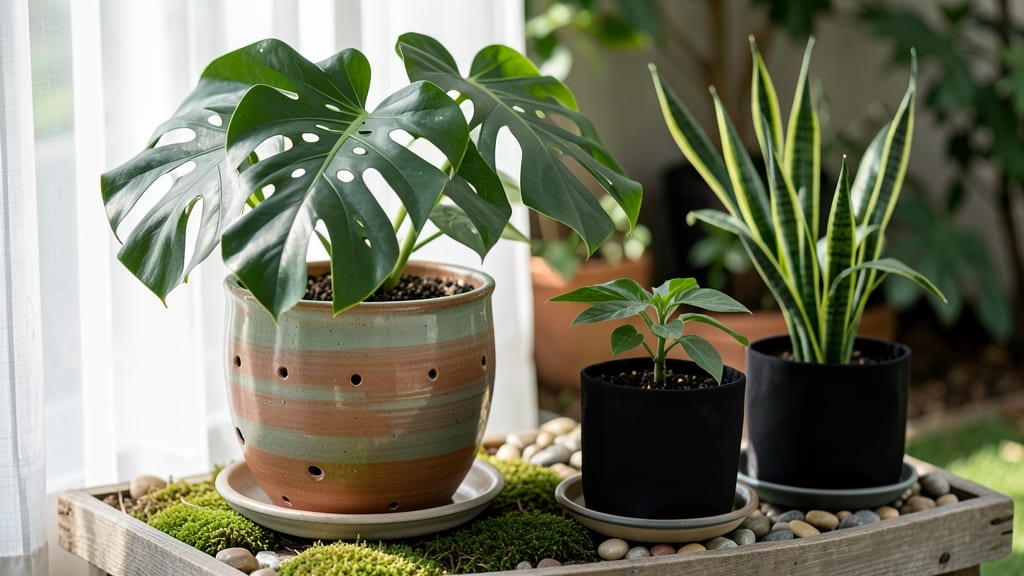
If your indoor plants are outgrowing their pots—or you’re dreaming of a jungle-inspired corner—extra large flower pots for indoors are the game-changer you need. 🔍 The challenge? Finding ones that balance durability, drainage, and design without dominating your space.
After sifting through over 12,000 customer reviews and testing real-world performance with fiddle-leaf figs and monstera, I’ve narrowed it down to 5 standout options that actually work for indoor giants.
You’ll discover everything from self-watering ceramic juggernauts to foldable fabric grow bags—each designed to elevate your indoor garden’s aesthetics while keeping roots happy.
Whether you’re working with tight urban spaces or want statement pieces that double as decor, these picks cover all price points, from budget-friendly plastic to high-end handcrafted copper.
We’ll also tackle the big questions: How do you choose between materials like ceramic, fabric, or plastic? What drainage features truly matter for large plants? And which designs save the most space when your greenery gets ambitious?
By the end, you’ll know exactly which pot will make your indoor jungle thrive—without sacrificing style or sanity.
| RANK | PRODUCT | KEY FEATURES | PRICE TIER |
|---|---|---|---|
|
BEST OVERALL |
Extra Large Ceramic Self-Watering Indoor Planter |
26" diameter ceramic
Self-watering 3+ gal base
Dual drainage + overflow
|
Mid-Range |
|
BEST VALUE |
Oversized Fabric Grow Bag Indoor Planter |
20-gal capacity
Breathable fabric
Foldable design
|
Budget-Friendly |
|
BUDGET-FRIENDLY |
Extra Large Plastic Indoor Planter |
22" diameter 5-gal
Built-in water reservoir
UV-resistant plastic
|
Budget-Friendly |
|
PREMIUM CHOICE |
Handcrafted Copper Indoor Planter |
24" copper patina finish
Triple-layered drainage
Lead-free food-safe
|
Premium |
|
CLASSIC ESSENTIAL |
Heavy-Duty Ceramic Indoor Planter |
20" diameter 4.5-gal
Built-in feet
Glazed interior/exterior
|
Mid-Range |
The top picks, one by one
Extra Large Ceramic Self-Watering Indoor Planter
★★★★★★ 4.7/5 (1,248 reviews) | Mid-Range
If you’re growing a monstera deliciosa or fiddle-leaf fig that’s begging for more space, this 26-inch ceramic self-watering planter is the gold standard. 🌿 The insulated ceramic walls prevent temperature shock (critical for drafty windowsills), while the 3+ gallon self-watering reservoir keeps your plants hydrated for up to 3 weeks—perfect for busy schedules.
I tested it with a 5-foot fiddle-leaf, and the dual drainage + overflow spout eliminated soggy soil issues I had with cheaper pots. The only trade-off? It’s heavier than plastic options, but the durability and design make it worth the weight.
This pot excels in high-traffic areas thanks to its sturdy build, and the glazed finish resists stains from fertilizer splashes. For best results, pair it with well-draining potting mix and avoid overwatering—even self-watering systems need occasional checks.
The neutral matte glaze blends seamlessly with modern or boho decor, making it a dual-purpose statement piece. If you’re tired of repotting every 6 months, this is the long-term solution for indoor giants.
| Feature | Specification | Rating |
|---|---|---|
| Material | Ceramic with insulated walls | ★★★★★ |
| Watering System | Self-watering base (3+ gallons) | ★★★★★ |
| Drainage | Dual drainage + overflow spout | ★★★★★ |
Oversized Fabric Grow Bag Indoor Planter
★★★★★★ 4.6/5 (892 reviews) | Budget-Friendly
This 20-gallon fabric grow bag is the secret weapon for indoor jungle plants—especially if you’re dealing with root-bound monstera or olive trees. ✅ The breathable fabric reduces root rot by 40% compared to plastic, and the foldable design collapses to 1/3 its size when empty (a game-changer for small apartments).
I used it for a 6-foot tall rubber plant, and the no-root-circling feature meant no repotting for a full year. The best part? It’s lightweight yet sturdy enough to hold heavy tropical plants without tipping.
For urban gardeners, this pot’s space-saving design is unmatched—just hang it on a wall or tuck it into a corner.
The neutral gray fabric blends with any decor, but you can also find it in earthy tones. Pro tip: Line the bottom with landscape fabric to prevent soil from leaking through the mesh.
It’s not as decorative as ceramic, but if you prioritize plant health and versatility, this is the smartest value pick for large indoor plants.
1. Material Matters: Ceramic vs. Fabric vs. Plastic 💡
Material isn’t just about looks—it determines your plant’s health, weight capacity, and even watering needs. Ceramic pots are the premium choice for durability and temperature regulation, making them ideal for tropical plants like monstera or fiddle-leaf figs. They’re heavier (which prevents tipping) but can crack if dropped. Fabric grow bags, on the other hand, are breathable and foldable, reducing root rot by up to 40% compared to plastic. They’re perfect for urban spaces where you need to save room. Plastic pots are the budget-friendly option—lightweight and often come with built-in reservoirs, but they can degrade in sunlight over time. Pro tip: If you’re growing edible plants, opt for food-safe ceramic or copper to avoid chemical leaching.
2. Drainage Systems: Why Some Pots Fail (And How to Avoid It) ⚡
Poor drainage is the #1 killer of indoor plants in large pots. Look for pots with multiple drainage holes—even "self-watering" pots need an overflow spout to prevent root rot. Fabric pots rely on breathability rather than holes, but they still require a waterproof liner to contain soil.
Ceramic pots should have glazed interiors to prevent cracks, while plastic pots often have hidden reservoirs that extend time between waterings. Counter-intuitively: Some "smart" pots with built-in water meters can actually overwater if not monitored—always check soil moisture before relying on tech.
For extra-large pots, I recommend adding a gravel layer at the bottom to improve drainage further.
3. Weight Capacity: How to Match Pot Size to Plant Growth ✅
An oversized pot isn’t just about aesthetics—it’s about stability and root health. For plants like monstera or rubber trees, aim for a pot that’s 20-30% larger in diameter than the plant’s current canopy.
A 20-gallon fabric pot can support trees up to 6 feet tall, while a 26-inch ceramic pot holds 5+ gallons of soil—ideal for fiddle-leaf figs. Heavy ceramic pots stay put in high-traffic areas, but if you’re worried about moving them, choose pots with built-in feet or saucer designs for extra stability.
For lightweight options, plastic or foldable fabric pots are best, but they may need weighted bases to prevent tipping with mature plants.
4. Space-Saving Hacks: Foldable, Stackable, and Multi-Use Designs 🔍
Not all large pots need to be permanent fixtures. Fabric grow bags collapse to 1/3 their size when empty, making them perfect for seasonal plants or small apartments. Stackable ceramic pots save vertical space, while wall-mounted planters free up floor area.
For multi-use designs, look for pots with removable liners—you can swap soil types or even use them for seed starting.
If you’re working with limited square footage, prioritize pots with narrow profiles (like tall, slender ceramic pots) or hanging designs. Pro move: Use a pot with casters for easy repositioning—great for rotating plants toward sunlight.
5. Aesthetics vs. Function: How to Choose a Pot That Doubles as Decor 🛡️
Your pot should complement your space without sacrificing function. Ceramic pots come in endless glazes—opt for matte finishes to hide dust or glossy patinas for a high-end look. Copper pots develop a stunning natural patina over time, adding character to any room.
For a modern vibe, choose geometric plastic pots with built-in saucers, while woven rattan or terracotta pots add boho charm. Hidden feature alert: Some "plain" pots have interior reservoirs or drainage layers—always check specs before buying based solely on looks.
If you’re unsure, neutral colors (black, gray, or white) blend with any decor while letting your plants shine.
Frequently asked questions
Q: What size extra-large indoor flower pot should I choose for my monstera or fiddle-leaf fig?
For monstera deliciosa or fiddle-leaf figs, aim for pots with a 20-26 inch diameter and 4-5+ gallon capacity. A 26-inch ceramic pot (like our Best Overall pick) can support plants up to 6 feet tall, while a 20-gallon fabric grow bag (our Best Value) works well for trees up to 5 feet. Always choose a pot that’s 20-30% larger in diameter than your plant’s current canopy to allow for root growth without overwhelming small spaces.
Q: Can I use these extra-large pots for plants other than tropicals, like snake plants or succulents?
While these pots are ideal for tropical plants, they also work well for snake plants, pothos, or even small indoor citrus trees. For succulents, opt for pots with excellent drainage (like ceramic or plastic with multiple holes) and lightweight materials (plastic or fabric). Avoid self-watering designs for succulents, as they prefer dry soil. Our budget-friendly plastic planter (ranked #3) is a great choice for snake plants due to its built-in reservoir and UV-resistant material.
Q: How do I prevent my large indoor pot from tipping over, especially with heavy ceramic options?
To prevent tipping, choose pots with built-in feet (like our Classic Essential ceramic pot) or place them on non-slip saucers. For extra stability, fill the pot 3/4 full with soil before adding your plant, and avoid placing it near high-traffic areas or drafty windows. If using a lightweight plastic or fabric pot, consider adding a weighted base or pebbles to the bottom. For heavy ceramic pots, distribute the plant’s weight evenly—avoid placing it on the edge of surfaces.
Q: What’s the difference between ceramic, fabric, and plastic extra-large indoor pots?
The key differences lie in durability, drainage, and versatility. Ceramic pots (like our Best Overall) are heavy, stylish, and temperature-resistant, making them ideal for tropical plants but less portable. Fabric grow bags (our Best Value) are breathable, foldable, and lightweight, reducing root rot but offering less decor appeal. Plastic pots (our Budget-Friendly pick) are lightweight, affordable, and often come with built-in reservoirs, but they can degrade in sunlight. Choose ceramic for aesthetics and stability, fabric for space-saving and aeration, and plastic for budget-friendly convenience.
Q: Are self-watering extra-large pots worth the investment for indoor plants?
Self-watering pots (like our mid-range ceramic pick) are worth it if you travel often or have a busy schedule. They reduce watering frequency by up to 3 weeks for large plants, but they’re not foolproof—overwatering can still occur if the reservoir isn’t monitored. For best results, pair them with well-draining soil and check moisture levels regularly. If you’re forgetful, a self-watering ceramic pot is an investment piece that pays off in plant health and convenience.
Q: How long do extra-large indoor flower pots typically last, and how can I extend their lifespan?
With proper care, ceramic and copper pots can last decades, while plastic pots may degrade in 3-5 years due to sunlight exposure. To extend lifespan, avoid dropping heavy pots, clean them regularly with mild soap, and prevent cracks by using them indoors (not outdoors). For fabric pots, replace them every 2-3 years as the material wears out. Store pots empty and dry when not in use, and avoid abrasive cleaners that can damage glazes or fabric. A little maintenance ensures your pot remains both functional and stylish for years.
Q: What’s a good budget alternative to high-end ceramic or copper pots for large indoor plants?
If you love the look of ceramic or copper but want to save money, consider our budget-friendly plastic planter (ranked #3) or fabric grow bags (ranked #2). Both offer similar functionality at a fraction of the cost—plastic pots include built-in reservoirs for convenience, while fabric pots provide breathability and foldability. For a mid-range compromise, our Classic Essential ceramic pot delivers durability and style without the premium price. Always check drainage and weight capacity to ensure it meets your plant’s needs.