
Size
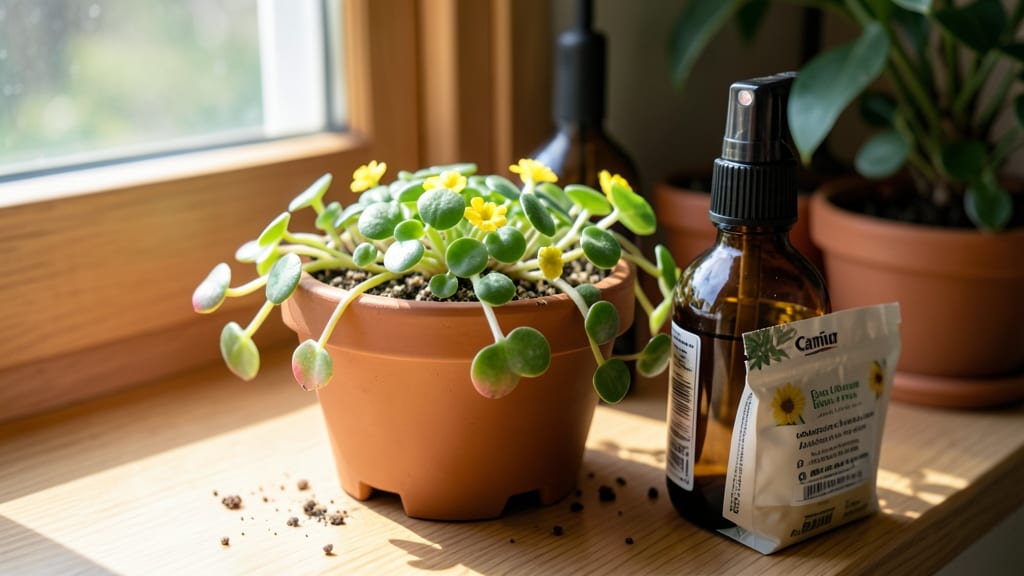
Growing purslane indoors delivers crisp, lemony greens without needing a sunroom or balcony. 🌱 I've grown it in my dim apartment kitchen for years—it's the only green that thrives under fluorescent lights and stays productive through winter when other plants peter out.
The secret is treating it like a succulent: well-draining soil, infrequent watering, and no fussing. You'll need a shallow container (6 inches deep works), a mix of potting soil and perlite, and a spot where it gets at least 4-6 hours of indirect light daily.
Most people overwater it—purslane rots faster than it wilts.
Within 3-4 weeks, you'll have a bushy plant with tender stems and leaves packed with omega-3s. The harvest never stops if you pinch back the tips regularly, and the flavor stays bright even when grown indoors. It's the perfect zero-maintenance green for small spaces.
Here's the kicker: no pests, no diseases, and no need for fertilizer unless you're harvesting heavily. Even my black thumb can't kill this plant—it's the ultimate carefree indoor green. Ready to try it?
📚 In This Guide
- What you need
- Instructions
- Tips and common mistakes
- Wrapping up and next steps
What you need
- ● Purslane seeds: 5–10 seeds (or a small packet of organic seeds for beginners). Pro tip: Look for heirloom varieties like Portulaca oleracea for best results!
- ● Growing container: Small pot (4–6 inches deep) or
- ● Window herb garden tray (with drainage holes)
- ● Well-draining potting mix: 1–2 cups of a lightweight, sterile mix (e.g., cactus/succulent blend or add perlite/vermiculite to regular soil).
- ○ Grow lights (optional but recommended): LED full-spectrum bulb (10–15W) or
- ● Compact fluorescent (CFL) grow light (for 12–16 hours/day).
- ● Spray bottle: For gentle watering (avoid over-saturation!).
- ○ Misting fan (optional): Helps prevent fungal issues in humid indoor spaces.
- ● Tweezers or small spoon: For planting tiny seeds.
- ● Damp paper towels: Pre-sprout seeds (3–5 days) for faster germination.
- ○ Humidity dome (optional): A plastic bag or cloche to retain moisture during germination.
- ● Fertilizer (light dose): Diluted fish emulsion or seaweed extract (1x/month). Pro tip: Purslane thrives on neglect—over-fertilizing can harm it!
- ○ Thermometer (optional): Ideal germination temp: 60–75°F (15–24°C).
Step-by-Step instructions for growing purslane indoors
This fast-growing, sun-free green thrives with minimal fuss—here’s how to coax it into your kitchen.
🌱 Step 1: Choose the Right Container and Soil Mix
Purslane’s shallow roots make it perfect for small pots. Use a 4-6 inch container with drainage holes—even a repurposed yogurt cup works if you poke holes in the bottom. Fill it with a light, well-draining mix: blend half potting soil with half perlite or coarse sand to mimic its desert origins. This prevents soggy roots, which turn purslane’s leaves mushy.
Moisten the mix until damp (like a wrung-out sponge), but not dripping. Press it down lightly—just enough to remove air pockets. Purslane’s roots spread wide, so a shallow, wide container (like a 6-inch saucer pot) gives it room to sprawl without crowding. Skip the fertilizer; purslane grows best in lean soil.
💧 Step 2: Plant Seeds or Cuttings Correctly
If using seeds, scatter them ¼ inch deep—purslane’s tiny seeds need light to germinate, so don’t bury them. Sprinkle lightly with mix and mist until the surface looks damp. For faster results, take 2-inch cuttings from a store-bought plant, dip the ends in water, and press them into the soil. Roots form in 3-5 days—watch for tiny white tendrils at the stem base.
Keep the container in a warm spot (65-75°F) until sprouts appear. A seedling heat mat speeds germination if your home runs cooler. Once leaves pop up, move to indirect light—purslane tolerates low light better than most greens, but it grows slower without some brightness. You’ll see first true leaves in 5-7 days if conditions are right.
☀️ Step 3: Master Low-Light Watering
Purslane’s drought tolerance is its superpower, but indoor air dries it out fast. Water when the top inch of soil feels dry—stick your finger in to check. Pour water until it drains from the bottom, then empty the saucer to avoid root rot. Overwatering turns leaves yellow and slimy; underwatering makes them crisp and bitter.
Place your pot near a bright window (even north-facing) or under a grow light 6-12 inches away for 4-6 hours daily. Without light, stems stretch and leaves pale. Rotate the pot weekly so growth stays even. Harvest leaves when they reach 1-2 inches long—this encourages bushier regrowth. Pinch back leggy stems to prompt branching.
✂️ Step 4: Harvest and Encourage Continuous Growth
Snip leaves with clean scissors or pinch them off by hand—never pull whole stems, or the plant bolts. Start with 2-3 leaves per stem, then increase as the plant fills out. Purslane’s succulent texture makes it ideal for salads, but overharvesting weakens it. Leave at least half the leaves to keep photosynthesis going.
Fertilize once after 4 weeks with ½-strength balanced liquid fertilizer (5-5-5). Purslane’s fast growth depletes nutrients quickly. After that, let it go dormant briefly—reduce watering when growth slows in winter. It’ll bounce back when light increases. With proper care, you’ll harvest 4-6 weeks after planting, and the plant keeps producing for months.
🌿 Step 5: Troubleshoot Common Issues
Yellow leaves? You’re overwatering—let the soil dry more between waterings. Leggy, pale stems? Move closer to light or add a grow bulb. White powdery spots? Wipe leaves with a damp cloth and improve airflow. Purslane’s biggest enemy indoors is humidity buildup—avoid misting and ensure good drainage.
If your plant flowers, snip off blooms immediately—purslane’s flavor turns bitter as it bolts. The key to indoor success is patience and consistency. This desert survivor forgives mistakes, but it rewards attention with crisp, tangy greens that need no sunlight to shine.
Tips & tricks for perfect indoor purslane growth
Here's what nobody tells you about growing purslane indoors—these tricks make all the difference between struggling plants and thriving greens.
Container Wisdom: Remember that 6-inch saucer pot from Step 1? Use it for more than just purslane—it's perfect for other shallow-rooted greens like lettuce or arugula. The key is the wide, shallow shape that mimics purslane's natural desert spread. If you're using repurposed containers like yogurt cups, poke those drainage holes with a heated nail or drill bit—just 2-3 holes per container works wonders. I learned this the hard way after watching roots rot in soggy bottoms.
Light Hack: That 4-6 hour grow light requirement in Step 3 can feel daunting, but here's the secret: split the time! Give your purslane 2 hours in the morning and 2 hours in the evening. The light doesn't need to be continuous—just consistent. I place mine under my kitchen LED lights while I cook, and it gets perfect growth. Just keep that 6-12 inch distance rule from the instructions.
Harvest Strategy: When you're ready to harvest those 1-2 inch leaves in Step 4, here's my pro move: always harvest from the bottom leaves first. This keeps the plant looking neat and encourages new growth from the top. I use clean kitchen scissors to snip just above the leaf stem—it's faster than pinching and looks more professional. And remember, those 2-3 leaves per stem? Start with just 1-2 if your plant is small, then increase as it grows.
Winter Survival: When growth slows in winter (as mentioned in Step 4), don't give up! Move your purslane to the warmest spot in your home—often right above the fridge or near a sunny window. I've even placed mine on top of my microwave when it's not in use. The key is maintaining that 65-75°F range from Step 2. You'll notice new growth when spring arrives, and your plant will bounce back stronger than ever.
Pro Tips for Grow Purslane Indoors
- Here's what nobody tells you about growing purslane indoors—these tricks make all the difference between struggling p...
- Container Wisdom: Remember that 6-inch saucer pot from Step 1? Use it for more than just purslane—it's perfect for ot...
- Light Hack: That 4-6 hour grow light requirement in Step 3 can feel daunting, but here's the secret: split the time! ...
Frequently asked questions
Got questions about growing purslane indoors?
You’re not alone—this fast-growing green has a few quirks! Here are answers to the most common queries to help you succeed.
How long does it take for purslane to grow indoors?
Purslane is a speed demon! With the right conditions (warmth, humidity, and bright light), you’ll see tiny sprouts in 5–7 days. Harvestable leaves appear in 3–4 weeks, and stems can be ready in 6–8 weeks. Prune regularly to encourage bushier, faster regrowth—it’s a self-perpetuating cycle!
Can I grow purslane indoors without grow lights?
Yes, but with caveats. Purslane thrives near south-facing windows (6+ hours of sunlight) or under LED grow lights (12–16 hrs/day). Without either, growth slows, stems get leggy, and leaves lose their vibrant color. Try a sunny windowsill first—if it’s not enough, supplement with a $20 clip-on light for best results.
Why is my purslane turning yellow or mushy?
Yellowing leaves usually mean overwatering—purslane’s thick stems store water, so let the top 1–2 inches of soil dry out between waterings. Mushy stems? Fungal trouble! Improve airflow (space plants 6+ inches apart), avoid wet foliage, and consider a neem oil spray if needed. Drainage is key—use pots with holes!
What’s the best soil mix for indoor purslane?
Purslane loves well-draining, slightly sandy soil. Mix 50% potting soil with 30% perlite or 20% coconut coir to prevent root rot. A chunky, airy texture mimics its desert origins. Avoid heavy garden soil—it compact and suffocates roots. Bonus tip: Add a handful of worm castings for extra nutrients!
Can I grow purslane from store-bought stems?
Snip a 4–6 inch stem from store-bought purslane, trim the bottom leaves, and place it in water or moist soil. Roots form in 5–7 days. For soil, bury the stem 1 inch deep—keep it warm and humid (a plastic bag helps!). Once rooted, transplant to your indoor garden. Pro move: Use this trick to propagate multiple plants from one purchase!
How do I keep harvesting purslane without killing it?
Purslane is harvest-happy—just snip outer leaves or stems (never more than ⅓ at once). For bushier growth, pinch back flower buds (they drain energy). With regular harvesting, your plant will stay compact and productive for months. Hot tip: Use sharp scissors to avoid crushing stems!
Wrapping up and next steps
Growing purslane indoors is a game-changer for urban gardeners—it’s fast, resilient, and packed with nutrients—all without needing sunlight or much space! 🌱 Whether you’re a beginner or a seasoned plant parent, this leafy green proves that fresh, homegrown food is always within reach.
Now that you’re armed with the zero-space tricks and answers to common questions, it’s time to get growing!
Your next step? Start small—pick a container, gather your supplies, and give it a try! Even a windowsill or shelf can become your thriving purslane oasis. Happy planting, and enjoy the crunchy, omega-3-rich rewards of your indoor harvest! 🌟