
Plants
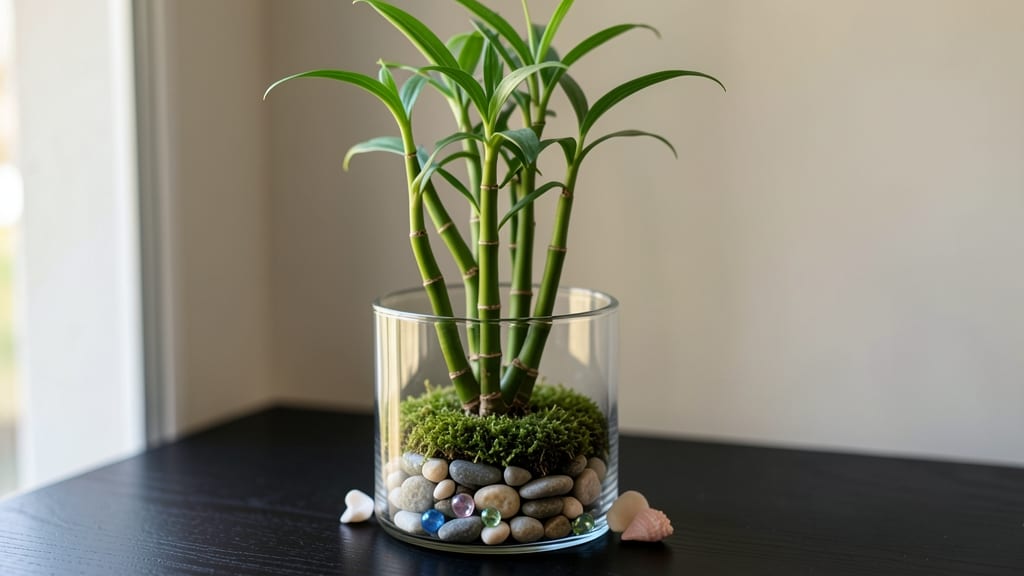
Growing bamboo indoors brings a touch of the tropics to your home without the space it needs outside. 🌿 I’ve watched my own bamboo shoot from a 6-inch starter to a 6-foot indoor tree in just two years—all with minimal light and basic care.
The key is choosing the right variety that won’t take over your home or yard.
You’ll need a 10-15 gallon container with drainage holes, well-draining soil (think potting mix with perlite), and a spot that gets bright, indirect light—even a north-facing window works.
My bamboo thrives in 65-80°F temperatures and loves humidity, so a pebble tray with water or a humidifier nearby keeps it happy. Watering should be consistent but not soggy; let the top inch of soil dry out between waterings.
What you’ll get is a lush, vertical focal point that purifies the air and adds drama to any room. The leaves stay vibrant year-round, and with proper pruning, you can control its height and shape. My bamboo even bloomed tiny white flowers last spring—a surprise I didn’t expect!
For those worried about roots spreading, clumping bamboo varieties like Bambusa multiplex or Dendrocalamus asper are perfect—they stay contained and won’t invade your home. Just keep an eye out for pests like spider mites and treat them early with neem oil.
With these simple steps, your indoor bamboo will grow taller and healthier than you imagined.
📚 In This Guide
- What you need
- Instructions
- Tips and common mistakes
- Wrapping up and next steps
What you need
- ● Bamboo Plant: 1-2 clumping bamboo varieties (e.g., Bambusa multiplex or Fargesia species) – avoid running bamboo (like Phyllostachys), as they spread aggressively.
- ● Choose a small-to-medium-sized pot (6–12 inches in diameter) for young plants or a larger container (12+ inches) for mature growth.
- ● Well-Draining Potting Mix: 1 bag (5–10 gallons) of chamaedorea mix or a blend of 60% peat moss, 30% perlite, and 10% sand.
- ● Container with Drainage Holes: 1 ceramic, plastic, or fabric pot with multiple drainage holes (bamboo hates soggy roots!).
- ● Gravel or Pebbles: 1 small bag of decorative pebbles (for drainage layer, ~1–2 inches thick).
- ● Watering Can or Spray Bottle: 1 light watering can (for gentle hydration) or a spray bottle (to mist leaves).
- ○ Fertilizer (Optional but Helpful): 1 bottle of balanced liquid fertilizer (e.g., 10-10-10 or 20-20-20, diluted to half-strength).
- ● Bright, Indirect Light: A spot near a north- or east-facing window (or under grow lights for 12–14 hours/day if natural light is limited).
- ● Humidity Lovers’ Paradise: Aim for 50–70% humidity—use a humidifier, pebble tray, or group plants together.
- ● Patience & Space: Bamboo grows slowly indoors (1–2 feet per year), so plan for a tall container or pruning to control height.
Step-by-Step instructions for growing bamboo indoors
Here's how to cultivate lush indoor bamboo with minimal fuss—perfect for adding height and drama to your space.
🪴 Step 1: Select the Right Bamboo Variety and Container
Choose a clumping bamboo like Bambusa multiplex or Fargesia for indoor growing—they stay contained and won’t spread aggressively. Avoid running bamboo varieties, which require outdoor conditions and can become invasive. A 10-12 inch diameter pot with drainage holes is ideal for your first plant, allowing roots to grow comfortably without becoming root-bound.
I always opt for unglazed ceramic or terracotta pots—they breathe better and help prevent root rot. Fill the pot with well-draining potting mix (equal parts peat moss, perlite, and garden soil). The mix should feel light and airy when squeezed, not compacted. Add a 2-inch layer of gravel at the bottom for extra drainage, then fill the rest with your prepared mix.
🌱 Step 2: Plant the Bamboo Properly
Gently remove the bamboo from its nursery pot and loosen the roots if they’re tightly bound. Place the plant in the center of your prepared pot, ensuring the crown (where the stems meet the roots) sits just above the soil line. This prevents rot and ensures healthy growth. Fill in around the roots with your potting mix, pressing lightly to eliminate air pockets.
Water the plant thoroughly until water drains freely from the bottom. Let it sit for 10-15 minutes, then empty any excess water from the saucer. Overwatering is the #1 killer of indoor bamboo—you’ll know it’s right when the top 2 inches of soil feel damp but not soggy. Place the pot in a spot with bright, indirect light (like near an east or north-facing window) to start.
☀️ Step 3: Provide Optimal Light and Humidity
Bamboo thrives in medium to bright indirect light, but it can tolerate lower light conditions better than most houseplants. If you notice the leaves turning yellow or growing pale, it’s a sign of too much direct sun. Rotate the pot a quarter turn weekly so the plant grows evenly. In winter, supplement with a grow light for 12-14 hours daily if natural light is scarce.
Indoor bamboo loves humidity—aim for 50-70% relative humidity. If your home is dry (common with heating or air conditioning), mist the leaves 2-3 times weekly or place the pot on a pebble tray filled with water. You’ll know the humidity is right when the leaves stay plump and green, not crispy or brown at the edges.
💧 Step 4: Water and Fertilize Correctly
Water your bamboo when the top 1-2 inches of soil feel dry to the touch. Stick your finger in the soil—if it’s damp, wait another day. When watering, soak the soil until water runs out the drainage holes, then discard the excess. This keeps roots healthy and prevents root rot. In summer, you may need to water every 5-7 days; in winter, every 10-14 days is usually enough.
Feed your bamboo with a balanced liquid fertilizer (like 10-10-10) once a month during the growing season (spring and summer). Dilute the fertilizer to half-strength to avoid burning the roots. Skip fertilizing in fall and winter when growth slows. You’ll see healthy new shoots and vibrant leaves as a sign it’s thriving.
✂️ Step 5: Prune and Maintain for Long-Term Growth
Prune your bamboo in early spring to encourage bushier growth. Cut back any dead, yellow, or damaged leaves with clean, sharp scissors. You can also trim overly long canes to maintain your desired height—just cut just above a node (the bump where leaves grow) to encourage branching. This keeps the plant full and prevents it from becoming leggy.
Every 2-3 years, repot your bamboo into a container 2-4 inches larger to give the roots room to grow. Spring is the best time for repotting—it gives the plant time to establish before winter dormancy. After repotting, water lightly and place the plant in bright, indirect light to help it recover. With proper care, your indoor bamboo can live for decades, growing taller and more majestic each year.
Tips & tricks for perfect indoor bamboo care
Here's what nobody tells you about keeping your bamboo thriving indoors—these small details make all the difference.
Soil Mix Matters: When mixing your well-draining potting soil (equal parts peat moss, perlite, and garden soil), I learned the hard way that adding a handful of orchid bark improves aeration and mimics bamboo's natural habitat. The bark breaks down slowly, creating air pockets that prevent compacted soil. This is especially important in Step 1 when you're setting up your pot—those extra air pockets help prevent root rot later.
Watering Wisdom: That 10-15 minute drainage time in Step 2 is crucial, but here's what nobody mentions: use room-temperature water, not cold tap water. Cold water can shock the roots and cause yellowing leaves. I also recommend using a watering can with a narrow spout to direct water to the soil rather than the leaves, which helps prevent fungal issues. The top 2 inches should feel damp but not soggy—if you're unsure, stick your finger in.
Light Rotation Strategy: The weekly quarter-turn rotation in Step 3 isn't just about even growth—it's also a way to check for pests. Flip the pot and inspect the undersides of leaves for spider mites or scale insects. Early detection means you can treat with neem oil before it becomes a bigger problem. In winter, if you're using a grow light for 12-14 hours, position it 6-12 inches above the plant to prevent leaf burn from concentrated light.
Fertilizer Timing: The once-monthly feeding in spring/summer is perfect, but here's my secret: I always fertilize right after watering. This prevents fertilizer burn by giving the roots time to absorb moisture first. And when you dilute that balanced liquid fertilizer to half-strength, make sure you're actually measuring it—many people eyeball it and end up overdoing it. A dropper or small measuring cup works best for precision.
Pro Tips for Growing Bamboo Indoors
- Here's what nobody tells you about keeping your bamboo thriving indoors—these small details make all the difference.
- Soil Mix Matters: When mixing your well-draining potting soil (equal parts peat moss, perlite, and garden soil), I le...
- Watering Wisdom: That 10-15 minute drainage time in Step 2 is crucial, but here's what nobody mentions: use room-temp...
Frequently asked questions
Got questions about growing bamboo indoors?
You’re not alone! Here are some of the most common concerns—and their easy solutions—to help you cultivate lush, low-light-friendly bamboo with confidence.
Can bamboo grow indoors without sunlight?
Yes! Many bamboo varieties, like Bambusa multiplex or Fargesia species, thrive indoors with bright, indirect light (e.g., near a north- or east-facing window). If natural light is scarce, supplement with a grow light (12–14 hours/day). Avoid direct sun—it can scorch leaves!
How long does it take for indoor bamboo to grow?
Indoor bamboo grows slower than outdoors (typically 6–12 inches per year), but with proper care, you’ll see noticeable growth in 3–6 months. Patience pays off—clumping varieties (like Fargesia) are ideal for containers and won’t spread aggressively.
Why is my indoor bamboo turning yellow or brown?
Yellowing leaves usually signal overwatering or poor drainage, while brown tips often mean low humidity or underwatering. Check these fixes:
- Water only when the top 1–2 inches of soil are dry.
- Ensure the pot has drainage holes (or use a cache pot).
- Mist leaves weekly or place a humidity tray nearby.
- Avoid fluoride-rich water (use filtered or rainwater).
What’s the best indoor bamboo for small spaces?
If space is limited, opt for dwarf or clumping bamboo like:
- Fargesia ‘Rufa (3–5 ft tall)
- Bambusa ‘Golden Goddess’ (4–6 ft tall)
- Bambusa multiplex ‘Tiny Tower’ (6–8 ft tall)
These stay compact and won’t invade your home!
Can I grow bamboo indoors without pruning?
While bamboo can grow without pruning, it’ll look wild and unkempt over time. Prune annually to:
- Remove dead or yellow leaves (use clean scissors).
- Trim leggy canes to encourage bushier growth.
- Cut back overgrown shoots in early spring.
Pruning also prevents pests and improves airflow!
Wrapping up and next steps
Growing bamboo indoors isn’t just about adding a touch of nature to your space—it’s about embracing low-maintenance elegance that thrives even in dimmer corners. With the right variety, container, and care, you’ll enjoy lush, towering greenery that purifies the air and elevates your decor.
Whether you’re a beginner or a plant enthusiast, the key is patience and consistency—soon, you’ll have a thriving indoor jungle to admire! 🌿
Ready to take the next step? Start by selecting your bamboo type and gathering your supplies, then watch your green oasis grow. Happy planting! 🌱