
Container Gardens
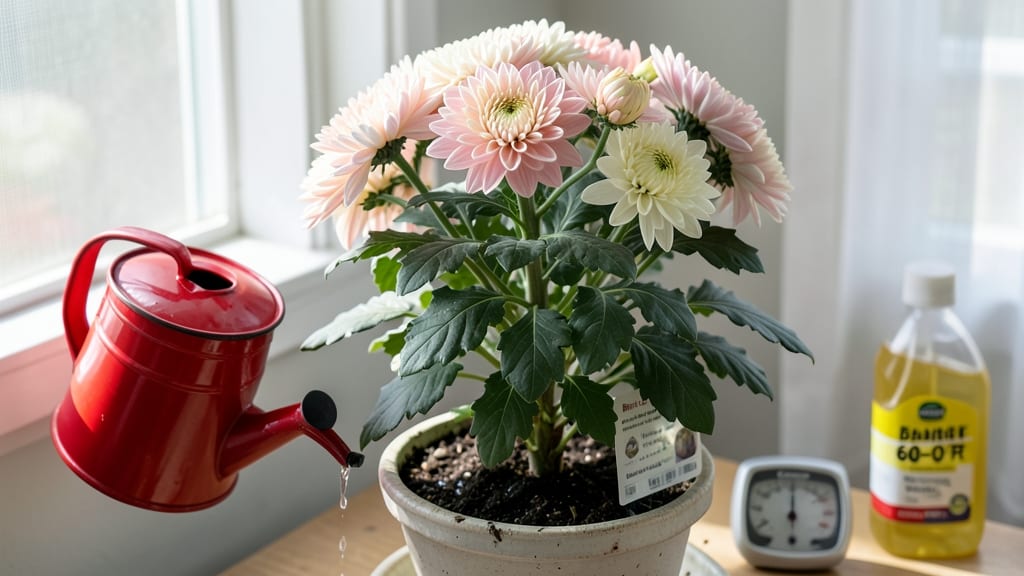
Taking care of chrysanthemums indoors means year-round color that outshines any store-bought bouquet. 🌼 These hardy plants thrive with the right light, water, and a little TLC—my indoor mums still bloom in December, when most houseplants have given up.
The secret isn’t complicated: bright light, consistent moisture, and occasional pruning keep them flowering like champs.
You’ll need a sunny windowsill (south-facing is ideal) or a grow light for 6–8 hours daily, well-draining potting mix, and a pot with drainage holes. Chrysanthemums love cool temperatures (60–70°F) and moderate humidity, so a bathroom or kitchen windowsill works perfectly.
Overwatering is their biggest enemy—let the top inch of soil dry out between waterings to keep roots happy.
With proper care, your chrysanthemum will reward you with bold blooms for months, often reblooming after deadheading spent flowers. The key is patience: these plants take about 8–10 weeks to flower from seed or cutting, but once they do, they’re worth every minute.
Prune leggy stems in early spring to encourage bushier growth and more flowers.
Troubleshooting is simple: yellow leaves mean too much water, brown edges mean dry air, and no blooms usually signal low light. A monthly dose of balanced fertilizer (10-10-10) keeps them thriving, and occasional sprayings with neem oil prevent pests.
Before you know it, your home will smell like a fall garden—without the chill.
📚 In This Guide
- What you need
- Instructions
- Tips and common mistakes
- Wrapping up and next steps
What you need
- ● Chrysanthemum plant: Choose a healthy indoor variety (e.g., Dendranthema or Chrysanthemum morifolium) from a nursery or garden center. Opt for a 6-12 inch pot size for mature plants.
- ● Well-draining potting mix: Use a lightweight, airy blend (e.g., 60% peat moss or coconut coir, 30% perlite, and 10% compost). A 10-15 gallon bag covers 2-3 plants.
- ● Container with drainage holes: Select a pot 2-4 inches larger than the plant’s root ball (e.g., 8-12 inch diameter for standard varieties). Terracotta or ceramic works best.
- ● Watering can with a rose attachment: A 1-2 gallon capacity ensures gentle, even watering without over-saturating the soil.
- ● Balanced liquid fertilizer (10-10-10 or 20-20-20): A 16 oz bottle lasts for multiple feedings. Dilute to half-strength for indoor use.
- ● Pruning shears: Sharp, bypass-style shears (3-4 inch blades) for clean cuts. Sterilize with rubbing alcohol between uses.
- ○ Grow lights (optional but recommended): A full-spectrum LED grow light (e.g., 20-30W for small plants or 50-100W for larger setups) with adjustable height (12-18 inches above foliage).
- ● Humidity tray: A shallow tray with pebbles and water to boost humidity (especially in dry climates).
- ● Plant food spikes: Slow-release granules (e.g., Osmocote) for hands-off nutrition.
- ● Support stakes or cages: For tall varieties, use bamboo stakes or tomato cages to prevent flopping.
- ● pH testing kit: Ensure soil pH stays in the 6.0-7.0 range for optimal nutrient uptake.
- ● Misting bottle: For daily light misting to maintain moisture (especially in winter).
Step-by-Step instructions for caring for indoor chrysanthemums
Here's how to keep your chrysanthemums thriving indoors with minimal fuss.
🪴 Step 1: Choose the Right Lighting Setup
Chrysanthemums need 6-8 hours of bright, indirect light daily—a south or west-facing window is ideal. If natural light is insufficient, supplement with a full-spectrum grow light positioned 6-12 inches above the plant for 12-14 hours per day. You'll notice leaves stretching toward light or turning pale yellow if they're not getting enough—this is your signal to adjust.
Rotate the pot quarter-turn weekly to ensure even growth. I always place mine near a window during winter when days are shortest, then supplement with a 15-watt LED bulb on a timer. Avoid direct midday sun, which scorches delicate petals—watch for crispy edges as an early warning sign.
☀️ Step 2: Maintain Ideal Temperature and Humidity
Keep your chrysanthemum in a space with 60-70°F temperatures during the day and 55-60°F at night. Drafty areas or sudden temperature swings stress the plant, causing buds to drop prematurely. Place it away from heating vents or air conditioning units—you'll see leaves curling or wilting if the climate is off.
Humidity matters too. Aim for 40-60% relative humidity—lower levels cause brown leaf tips. I place the pot on a pebble tray filled with water to create a microclimate. Mist the foliage lightly in dry conditions, but avoid wetting the flowers, which encourages rot. A hygrometer helps track levels precisely.
💧 Step 3: Water with Precision and Consistency
Water when the top 1-2 inches of soil feel dry—overwatering is the #1 killer of indoor chrysanthemums. Stick your finger in the soil to check; if it's damp, wait another day. I water deeply until water runs out the drainage hole, then empty the saucer to prevent root rot. Yellowing leaves often signal overwatering, while crispy edges mean underwatering.
Use room-temperature water to avoid shocking the roots. Tap water with high chlorine or fluoride can damage foliage, so let it sit out for 24 hours before use. Feed your plant with a balanced liquid fertilizer (10-10-10) every 4-6 weeks during the growing season (spring to fall). Reduce feeding in winter when growth slows.
✂️ Step 4: Prune and Deadhead for Continuous Blooms
Pinch back the tips of new growth when stems reach 4-6 inches to encourage bushier plants. Use clean, sharp scissors to make cuts just above a leaf node—this prevents disease and promotes branching. I do this in early spring to reset growth patterns after winter dormancy.
Deadhead spent blooms immediately by snipping the stem just below the faded flower head. This redirects the plant's energy into producing new buds instead of seed development. Watch for buds forming along the stems—these indicate healthy growth. Prune leggy stems back by one-third in late summer to stimulate a fresh flush of flowers before winter.
🌱 Step 5: Overwinter for Next Year's Blooms
Reduce watering in fall as daylight shortens, allowing the plant to enter dormancy. Move it to a cooler spot (55-60°F) with minimal light. You'll notice new growth slow dramatically—this is normal. Resume regular care in early spring when you see fresh shoots emerging.
Divide overcrowded plants every 2-3 years in early spring. Gently remove the plant from its pot, separate the clumps, and replant the healthiest sections. This rejuvenates the plant and prevents disease. Keep divided plants in a shaded spot for a week to recover before resuming normal care.
Tips & tricks for perfect indoor chrysanthemum care
Your chrysanthemum's year-round beauty starts with these essential insights—trust me, I've learned the hard way which details make all the difference.
Lighting Mastery: The 6-8 hours of bright indirect light in Step 1 is non-negotiable, but here's what nobody tells you: Place your plant within 12 inches of the window glass—this maximizes light penetration without risking scorching. I've seen leaves bleach when positioned too close to the window pane during peak sun hours. For grow lights, position them slightly higher (14-16 inches) if you notice leaf burn at the edges, which means the light is too intense.
Temperature Troubleshooting: The 60-70°F daytime range in Step 2 is ideal, but sudden drops below 55°F at night can cause buds to abort. I keep my chrysanthemum away from exterior doors and windows that act as draft channels. A simple trick: Place a small space heater (set to low) near the plant during winter nights if your home tends to get chilly—just don't let it blow directly on the foliage. Watch for purple-tinged leaves as an early warning sign of temperature stress.
Watering Wisdom: That 1-2 inch soil dryness check in Step 3 is crucial, but here's the secret: Use your finger to test soil moisture at two different spots in the pot—some areas dry faster than others. I've found that terracotta pots dry out more quickly than ceramic ones, so adjust your watering frequency accordingly. And pro tip: Always water in the morning—this gives excess moisture time to evaporate before nightfall, reducing rot risk.
Pruning Precision: When pinching back growth at 4-6 inches in Step 4, make your cuts at a 45-degree angle just above a leaf node. This creates a larger surface area for new growth to emerge. I use small floral scissors sterilized with rubbing alcohol between cuts to prevent bacterial spread. For leggy stems, don't be afraid to cut back aggressively—your plant will reward you with bushier growth and more blooms.
Pro Tips for Take Care Of Chrysanthemum Indoors
- Your chrysanthemum's year-round beauty starts with these essential insights—trust me, I've learned the hard way which details make all the difference.
- I've seen leaves bleach when positioned too close to the window pane during peak sun hours.
- Temperature Troubleshooting: The 60-70°F daytime range in Step 2 is ideal, but sudden drops below 55°F at night can cause buds to abort.
Frequently asked questions
about growing chrysanthemums indoors—because even the best gardeners need a little extra help! Here are answers to the most common queries to keep your blooms happy and thriving.Can I grow a chrysanthemum indoors year-round?
With the right care—like bright light (south-facing windows or grow lights), cool temperatures (60–70°F), and consistent watering—you can enjoy chrysanthemums indoors for months. Just watch for leggy growth in winter and adjust light exposure to keep them compact.
Why are my chrysanthemum leaves turning yellow?
Yellow leaves usually signal overwatering or poor drainage. Let the top inch of soil dry out between waterings, and ensure your pot has drainage holes. If the yellowing spreads, check for root rot or nutrient deficiencies (like too much salt from tap water).
How long does it take for indoor chrysanthemums to bloom?
With proper care, most indoor chrysanthemums bloom within 8–12 weeks after planting. For faster results, choose pre-blooming varieties or use grow lights to simulate autumn’s shorter days (their natural blooming trigger). Patience pays off—your patience will be rewarded with vibrant flowers!
Do chrysanthemums need a dormancy period indoors?
Not strictly, but a short "rest" can rejuvenate your plant. After blooming, trim faded flowers and reduce water slightly. Move it to a cooler spot (50–60°F) for 4–6 weeks, then resume regular care. This mimics their outdoor cycle and encourages healthier regrowth.
What’s the easiest chrysanthemum variety for beginners?
Start with Chrysanthemum morifolium (hardy mums) or spider chrysanthemums—they’re forgiving and adapt well to indoor light. Look for compact varieties like ‘Daisy’ or ‘Bonanza’ for smaller spaces. Avoid large outdoor types; they’re harder to manage indoors.
How do I keep pests off my indoor chrysanthemums?
Inspect leaves regularly for aphids, spider mites, or whiteflies. Treat mild infestations with a neem oil spray or insecticidal soap. Increase humidity (they love 40–60%) to deter pests, and isolate new plants for a week to prevent hitchhiking bugs.
Wrapping up and next steps
Caring for chrysanthemums indoors is all about balancing light, water, and patience—and you’ve got this! 🌸 With the right spot near a bright window, consistent moisture (but not soggy soil), and a little seasonal tweaking, your chrysanthemums will reward you with vibrant blooms all year.
Don’t forget to prune and fertilize to keep them thriving, and watch as they become the star of your indoor garden.
Ready to see those petals pop? Pick one plant today, grab your supplies, and start your chrysanthemum journey—your home (and future blooms) will thank you!