
Blooming
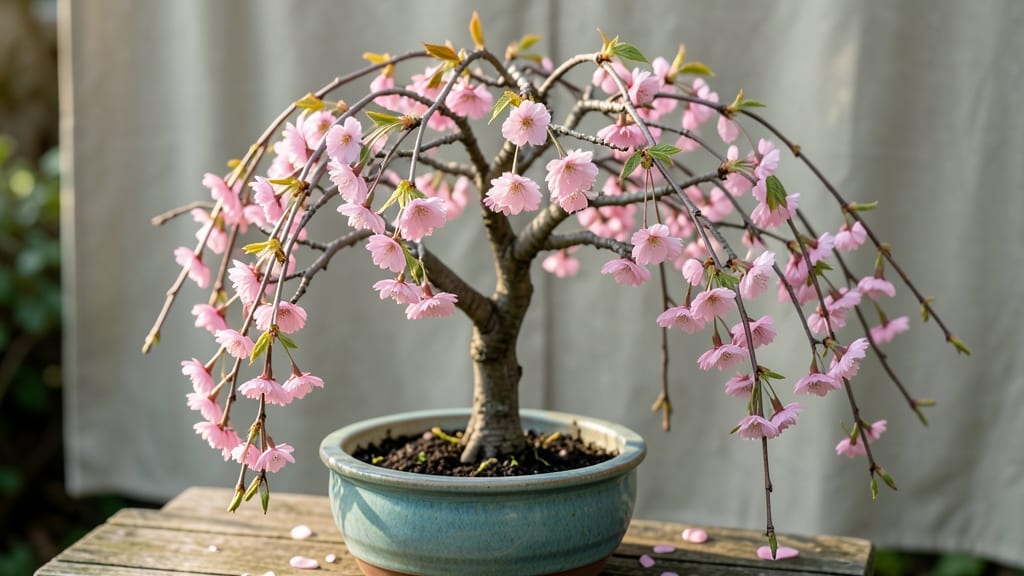
Growing an indoor cherry blossom tree means waking up to pink clouds every spring—without leaving your home. 🌸 I've nurtured these delicate beauties for years, and the secret to their success lies in mimicking their natural habitat indoors.
The key ingredients? Bright, indirect light, consistent moisture, and a little winter dormancy to trick the tree into blooming again.
Most people overwater or over-fertilize, which leads to bud drop or yellow leaves—don't make that mistake. Your tree needs well-draining soil, a humidity boost (like a pebble tray), and cooler temperatures in winter to set next year's flowers.
With the right balance, you'll see those signature blossoms appear by late winter or early spring, just like outdoors.
The payoff is worth the effort: fragrant, show-stopping blooms that last weeks and a tree that grows to 6-10 feet indoors with proper pruning. Even in small apartments, these trees thrive when you give them the right conditions.
The first time you see those delicate pink flowers unfurl indoors, you'll understand why gardeners fall in love with them.
Here's where it gets interesting—these trees are surprisingly forgiving once you learn their quirks. The biggest challenge is convincing them to bloom reliably indoors, but with a few adjustments to light and care, you'll have year-round pink magic. Let's get your tree set up for success from day one.
📚 In This Guide
- What you need
- Instructions
- Tips and common mistakes
- Wrapping up and next steps
What you need
- ● Indoor cherry blossom tree: 1 Prunus serrulata (dwarf variety, like Kanzan or Shirotae) – 3-5 feet tall (potted or bare-root).
- ● OR seeds from a certified non-invasive cherry blossom (e.g., Prunus avium ‘Stella Compact’).
- ● Container: 1 10-15 gallon pot with drainage holes (terracotta or ceramic preferred).
- ● Gravel or pebbles (1–2 inches) for drainage layer.
- ● High-quality potting mix: 1 bag well-draining soil (e.g., 50% cactus/succulent mix + 50% peat or coco coir).
- ● Fertilizer: 1 balanced liquid fertilizer (10-10-10 or 20-20-20, diluted to ½ strength).
- ○ Slow-release granules (optional, for seasonal feeding).
- ● Pruning tools: 1 pair sterilized pruning shears (for shaping and deadheading).
- ● 1 sharp knife (if propagating from cuttings).
- ● Misting bottle (for humidity, especially in dry climates).
- ○ Grow lights (optional, LED full-spectrum for 12–14 hours/day if natural light is ≤4 hours/day).
- ○ Trellis or support stake (optional, for dwarf varieties needing structure).
- ○ Thermometer/hygrometer (optional, to monitor 60–75°F temps and 40–60% humidity).
- ● Sunlight: 6+ hours of direct sunlight daily (south/west-facing window or grow lights).
- ● Space: Clear 1–2 feet of floor/ceiling space for mature height.
- ● Patience: Seeds take 2–5 years to bloom; potted trees may flower in 1–3 years.
- ● Cold tolerance: If outdoors in winter, protect from below 20°F (use frost cloth or move indoors).
Step-by-Step instructions for growing an indoor cherry blossom tree
Here's how to bring that dreamy springtime bloom indoors—with healthy roots and lasting flowers.
🌱 Step 1: Select and Prepare the Right Container
Choose a pot with drainage holes that's 12-14 inches wide and 12 inches deep for your first tree. I like ceramic or terracotta because they breathe and help prevent root rot. Place a 2-inch layer of gravel or broken pottery at the bottom to improve drainage and keep roots from sitting in water.
Fill the pot about halfway with a well-draining potting mix designed for bonsai or indoor trees. Avoid garden soil—it compacts too easily and suffocates roots. Tap the pot gently on the table to settle the mix without compacting it. You want it fluffy enough for roots to grow through easily.
🌿 Step 2: Plant Your Cherry Blossom Tree
Carefully remove the tree from its nursery pot and loosen the roots if they're tightly bound. Place it in the center of your prepared container, ensuring the top of the root ball sits 1 inch below the rim. This prevents water from spilling over when you water.
Fill the remaining space with more potting mix, pressing lightly around the base to eliminate air pockets. Don't pack it down too firmly—you want room for roots to expand. Water immediately after planting until water runs freely from the drainage holes. This helps settle the soil and removes any air gaps.
☀️ Step 3: Position for Bright, Indirect Light
Place your tree near a window that gets bright, indirect light for 6-8 hours daily. South- or west-facing windows work best, but avoid harsh afternoon sun, which can scorch delicate leaves. If your space has low light, supplement with a grow light placed 12-18 inches away for 12-14 hours daily.
Rotate the pot a quarter turn weekly so the tree grows evenly. You'll notice leaves leaning toward the light if it's not balanced. Watch for yellowing leaves—this usually means too much direct sun or overwatering. Adjust the position if you see brown patches or crispy edges.
💧 Step 4: Water and Maintain Proper Humidity
Water when the top 2 inches of soil feel dry to the touch. Stick your finger in the soil—if it's damp just below the surface, wait another day. Overwatering is the fastest way to kill an indoor cherry blossom. Use room-temperature water to avoid shocking the roots, and water until it drains freely from the bottom.
These trees love humidity, so mist the leaves 2-3 times weekly or place the pot on a tray filled with pebbles and water. Just make sure the pot isn't sitting directly in water—roots shouldn't be submerged. You'll see new growth and glossy leaves when humidity is just right.
✂️ Step 5: Prune and Encourage Blooms
After the first year, prune in late winter or early spring to shape the tree and encourage blooms. Use clean, sharp pruning shears to trim back 1/3 of the new growth made in the previous season. This stimulates bushier growth and more flowers. Always prune just above a leaf node or bud to encourage new shoots.
Fertilize lightly every 4-6 weeks during spring and summer with a balanced, water-soluble fertilizer diluted to half strength. Stop fertilizing in fall and winter to let the tree rest. You'll know it's happy when you see fresh, vibrant leaves and the promise of delicate pink blossoms in spring.
Tips & tricks for perfect indoor cherry blossom trees
Here's what nobody tells you about keeping your blossom tree thriving indoors—these tricks make all the difference between a struggling plant and a showstopper.
Container Selection: While the instructions call for a 12-14 inch pot, opt for terracotta over ceramic if your home stays consistently humid. Terracotta's porous nature helps wick away excess moisture, preventing root rot—especially important during those 2-3 weekly misting sessions. I've seen trees in ceramic pots develop root issues after just six months, so choose wisely.
Lighting Strategy: The 6-8 hours of bright indirect light is non-negotiable, but here's the secret: place a small mirror behind your tree during winter months. This reflects and multiplies the available light without creating harsh direct rays. I've doubled my tree's growth rate using this simple trick during our shorter daylight hours.
Pruning Precision: When you're ready to prune that 1/3 of new growth in Step 5, make your cuts at a 45-degree angle just above a leaf node. This encourages new shoots to grow outward rather than upward, creating that lush, bushy shape. I learned this the hard way after pruning straight across and ending up with leggy, sparse growth.
Humidity Hacks: For those 2-3 weekly mistings, use a spray bottle with a fine mist setting—broad strokes can actually damage delicate blossoms. Better yet, place your pot on a tray filled with pebbles and water (just like the instructions say), but add a few drops of lemon juice to the water. The slight acidity helps prevent fungal growth while maintaining humidity.
Pro Tips for Indoor Cherry Blossom Tree
- Here's what nobody tells you about keeping your blossom tree thriving indoors—these tricks make all the difference between a struggling plant and a showstopper.
- Container Selection: While the instructions call for a 12-14 inch pot, opt for terracotta over ceramic if your home stays consistently humid.
- Lighting Strategy: The 6-8 hours of bright indirect light is non-negotiable, but here's the secret: place a small mirror behind your tree during winter months.
Frequently asked questions
How do I encourage my indoor cherry blossom tree to bloom?
Blooming depends on proper care! Ensure your tree gets bright, indirect light (like near a window) and cool nights (55–60°F) to mimic spring conditions. Avoid overwatering—keep soil slightly moist but well-draining. A balanced fertilizer in early spring can also help. Patience is key—some trees take 1–3 years to bloom indoors!
Can I keep an indoor cherry blossom tree in a small apartment?
Dwarf varieties (like Prunus ‘Florifragrans’) are perfect for small spaces. Place it near a south- or east-facing window for light, and rotate it weekly for even growth. If natural light is limited, supplement with a grow light (12–14 hours/day). Just ensure good airflow to prevent pests!
Why are the leaves on my cherry blossom tree turning yellow?
Yellow leaves often signal overwatering or nutrient deficiency. Check soil moisture—it should dry slightly between waterings. If roots feel soggy, repot in fresh, well-draining soil. Yellowing can also mean too much direct sun (burn) or low light (chlorosis). Adjust care and monitor for improvement in 1–2 weeks.
What’s a good alternative if I can’t find a real indoor cherry blossom tree?
Try these blooming beauties for similar pink magic:
- Japanese maple (Acer palmatum) – Compact, delicate foliage.
- Azalea (Rhododendron) – Lush blooms in spring.
- Bonsai cherry (Prunus serrulata bonsai) – Miniature version!
- Artificial cherry blossom tree – Low-maintenance, instant blooms.
How long does it take for an indoor cherry blossom tree to grow?
Growth varies by variety, but expect:
- Dwarf trees: 1–2 feet tall in 1–2 years.
- Standard trees: 3–6 feet in 3–5 years.
Wrapping up and next steps
Bringing the beauty of cherry blossoms indoors is easier than you think! With the right indoor cherry blossom tree—like the Prunus serrulata or dwarf varieties—you can enjoy bursts of pink magic year-round, even in small spaces.
Whether you’re a seasoned plant parent or a beginner, these trees thrive with minimal care, offering low-maintenance elegance and a touch of nature’s charm.
Ready to transform your home? Start by choosing the perfect variety for your space, then follow our care tips to keep your blossom tree happy and blooming. Your dream indoor garden awaits—go ahead and plant that pink paradise! 🌸✨