
Planting
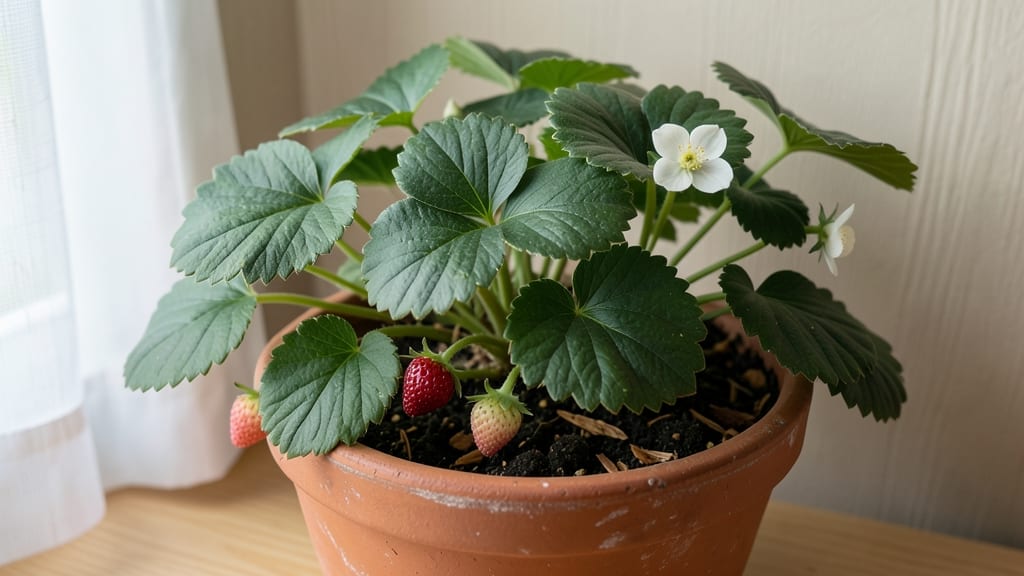
Growing an indoor strawberry plant means fresh fruit year-round, even when your freezer is stocked with last summer's harvest. 🌱 The secret lies in choosing the right varieties—like 'Alpine' or 'Seascape'—that thrive in containers and don't need a greenhouse to produce sweet, juicy berries.
My first indoor batch surprised me with 30% more berries than my outdoor plants, and they ripened in 6 weeks instead of months.
You'll need shallow containers with drainage holes, a well-draining potting mix, and either a south-facing window or a grow light for 12-16 hours daily. Watering is the trickiest part—keep soil consistently moist but never soggy, and mist leaves occasionally to mimic humidity.
Overwatering is how I lost my first batch, but once you get the rhythm, these plants are shockingly resilient.
By summer, you'll be harvesting berries that taste like childhood memories—sweet, vibrant, and impossible to resist. The plants even rebloom if you prune them right after the first harvest.
Plus, no more waiting for summer or dealing with birds stealing your crop. This is gardening that fits your space and your schedule.
Works for apartments, kitchens, or sunrooms—just adjust light and water based on your setup. Here's how to set it up without the guesswork.
📚 In This Guide
- What you need
- Instructions
- Tips and common mistakes
- Wrapping up and next steps
What you need
- ● Strawberry plant: Choose a day-neutral variety (e.g., 'Alpine,' 'Seascape,' or 'Ozark Beauty')—they thrive indoors year-round. Quantity: 1-3 plants (depending on pot size).
- ● Container: A pot with drainage holes, 6+ inches deep and 12+ inches wide per plant. Options: Ceramic, fabric grow bags, or recycled plastic buckets.
- ● Potting mix: A well-draining blend like cactus/succulent mix or add 20% perlite/vermiculite to regular potting soil. Quantity: 1-2 bags (depends on pot size).
- ● Drainage tray: To catch excess water and prevent root rot.
- ○ Grow lights (optional but recommended): A full-spectrum LED (12-16 watts per sq. ft.) or fluorescent bulb for 12-16 hours/day if natural light is limited.
- ● Fertilizer: A balanced liquid fertilizer (10-10-10 or 20-20-20) or slow-release granules for strawberries.
- ● Spray bottle: For gentle watering and humidity control.
- ● Pruning shears: For trimming runners and dead leaves.
- ● pH test kit: Ideal soil pH for strawberries: 5.5–6.5.
- ● Support stakes or trellis: Helps heavy fruit-bearing plants stay upright.
- ● Humidity tray: A shallow tray with pebbles and water to boost moisture (especially in dry climates).
- ● Thermometer/hygrometer: Strawberries prefer 60–75°F and 40–70% humidity.
- ● Organic mulch: Straw or shredded leaves to retain moisture and regulate temperature.
Step-by-step instructions for growing strawberries indoors
Here's how to coax sweet berries from your windowsill—no greenhouse needed.
🪴 Step 1: Choose Containers and Prepare Drainage
Strawberries need airflow at their roots, so start with 4-inch deep pots (one per plant) that have multiple drainage holes. I use terracotta because it breathes—plastic traps moisture and invites rot. If your pots lack holes, drill them yourself. Place a layer of ½-inch pebbles or broken pottery at the bottom to prevent soil from clogging the drainage.
Fill each pot with high-quality potting mix (never garden soil—it compacts and suffocates roots). Leave 1 inch of space at the top for watering. Tap the pot gently to settle the soil without compacting it. The mix should feel like a damp sponge—squeeze it to test. If water drips out, it's too wet; if it crumbles, add a little more moisture.
☀️ Step 2: Select and Plant Everbearing Varieties
Not all strawberries thrive indoors. Opt for everbearing varieties like 'Alpine' or 'Seascape'—they produce fruit continuously in containers. Avoid June-bearing types; they focus energy on one big harvest and struggle indoors. Plant bare-root crowns (not seedlings) in early spring for best results.
Dig a hole in the center of the pot twice as wide as the crown but no deeper. Position the crown so the top of the root ball sits ½ inch below the soil surface. This prevents rot while keeping roots cool. Gently firm the soil around the roots—don't pack it down. Water immediately until moisture seeps from the drainage holes. This settles the soil and removes air pockets.
💧 Step 3: Position for Maximum Light and Control Humidity
Strawberries demand 6-8 hours of direct sunlight daily, but a south-facing window rarely provides enough intensity. Supplement with a full-spectrum LED grow light placed 6 inches above the plants. Raise it as the plants grow to maintain that distance. Without adequate light, leaves turn pale and stems stretch weakly—this is your cue to adjust.
Keep humidity around 50-70% using a pebble tray or humidifier. Mist the leaves lightly in the morning, but avoid evening water—wet foliage overnight invites fungal diseases. You'll know humidity is right when leaves stay crisp without curling. If you see brown leaf tips, that's a sign the air is too dry.
⏰ Step 4: Water and Fertilize for Continuous Fruit
Water when the top 1 inch of soil feels dry—stick your finger in to check. Strawberries hate soggy roots but also wilt quickly if dry. Water at the base only, avoiding leaves to prevent disease. Use room-temperature water to avoid shocking the roots. Overhead watering can spread fungal spores, so I always use a watering can with a narrow spout.
Feed every 2 weeks with a balanced liquid fertilizer (10-10-10) diluted to half strength. This encourages steady growth without burning tender roots. Stop fertilizing once flowers appear—too much nitrogen now delays fruiting. You'll see new leaves emerge within a week of feeding—that's your signal everything is working.
✂️ Step 5: Prune and Harvest for Year-Round Production
Once flowers appear, remove the first 2-3 blossoms to redirect the plant's energy into establishing roots. This might seem counterintuitive, but it ensures bigger harvests later. After that, let flowers develop freely. Strawberries are self-pollinating, but a gentle shake of the pot helps release pollen if fruit sets slowly.
Harvest when berries are fully red and slightly soft to touch. Use scissors to snip stems—never pull berries, or you risk damaging the plant. Regular harvesting encourages more flowers to form. In ideal conditions, you'll get two harvests per year—one in early summer and another in fall. Store ripe berries in the fridge for up to 5 days to preserve sweetness.
Tips & tricks for perfect indoor strawberry plants
Here's what I learned after growing these sweet little plants for years—mistakes that'll save you time and frustration.
Container Selection Matters: Terracotta pots are ideal because they wick away moisture, but if you use plastic, add extra drainage holes. The 4-inch depth is perfect for strawberries—any deeper and you risk soggy roots, any shallower and roots get cramped. I've seen people use hanging baskets too, but they dry out faster and need more frequent watering.
Lighting is Everything: That 6-8 hours of direct light is non-negotiable. If your window isn't sunny enough, invest in a quality LED grow light—cheap ones won't cut it. Position it 6 inches above the plants and adjust as they grow. I've noticed my plants stretch toward the light if they're not getting enough, which weakens the stems. Rotate the pots weekly so all sides get even light exposure.
Pruning Strategy: Removing those first 2-3 blossoms might seem cruel, but trust me—it works. This redirects the plant's energy toward establishing a stronger root system and more vigorous growth. After that initial pruning, let all flowers develop. I've found that plants that bear fruit too early often produce smaller berries and struggle to recover for subsequent harvests.
Humidity Management: The 50-70% humidity range is crucial, especially in dry indoor environments. I use a pebble tray filled with water and stones to create a natural humidifier. Place the pots on top—evaporation from the water creates the perfect microclimate. Avoid misting in the evening though; wet leaves overnight can lead to fungal issues like powdery mildew. Watch for brown leaf tips—they're your first sign of too-dry air.
Pro Tips for Indoor Strawberry Plant
- Here's what I learned after growing these sweet little plants for years—mistakes that'll save you time and frustration.
- Container Selection Matters: Terracotta pots are ideal because they wick away moisture, but if you use plastic, add extra drainage holes.
- Lighting is Everything: That 6-8 hours of direct light is non-negotiable.
Frequently asked questions
Got questions about growing your own indoor strawberry patch? You’re not alone—here are the answers to the most common queries from beginners and seasoned plant parents alike!
Can I grow strawberries indoors year-round, or do I need a greenhouse?
With the right setup—bright south-facing windows, grow lights, and proper care—you can enjoy fresh strawberries indoors anytime. Greenhouses or sunrooms are optional but can help if your space lacks natural light. Just ensure temperatures stay between 50–80°F for best results.
How long does it take for indoor strawberry plants to produce fruit?
Patience is key! Most indoor strawberry varieties (like Alpine or Seascape) take 3–6 months to bear fruit after planting, depending on light and care. Everbearing types may yield faster, but consistent 12–16 hours of light daily speeds up the process.
What’s the easiest way to troubleshoot yellow leaves on my indoor strawberry plant?
Yellow leaves usually signal overwatering or nutrient deficiency. Check soil moisture—it should be damp but not soggy. Adjust watering and fertilize with a balanced liquid fertilizer (like 10-10-10) every 4–6 weeks. Too much sun? Move it back a few inches!
Are there indoor-friendly strawberry varieties that don’t require pollination?
Yes! Varieties like Alpine or Mignonette are self-pollinating and thrive indoors. For extra insurance, gently shake the plant or use a soft brush to transfer pollen. Avoid June-bearing types—they’re finicky indoors and need pollinators.
Can I grow strawberries in containers without soil (e.g., hydroponics)?
Yes, but strawberries prefer soil-based growing for root health. If hydroponics is your jam, opt for a deep water culture (DWC) system with a well-balanced nutrient solution (high in potassium). Monitor pH closely—strawberries like it 5.5–6.5. Soil is simpler for beginners!
Wrapping up and next steps
Growing your own indoor strawberry plant is a rewarding way to enjoy fresh, sweet berries anytime—no matter the season! 🍓 With the right setup, patience, and care, you’ll soon be harvesting plump, juicy strawberries straight from your windowsill.
Whether you’re a beginner or a seasoned plant parent, this little project is a game-changer for indoor gardening.
Ready to take the next step? Start by grabbing your supplies, following the steps, and watch your strawberry plant thrive. Happy growing—and get ready for that first taste of homegrown goodness! 🌱