
Container Gardens
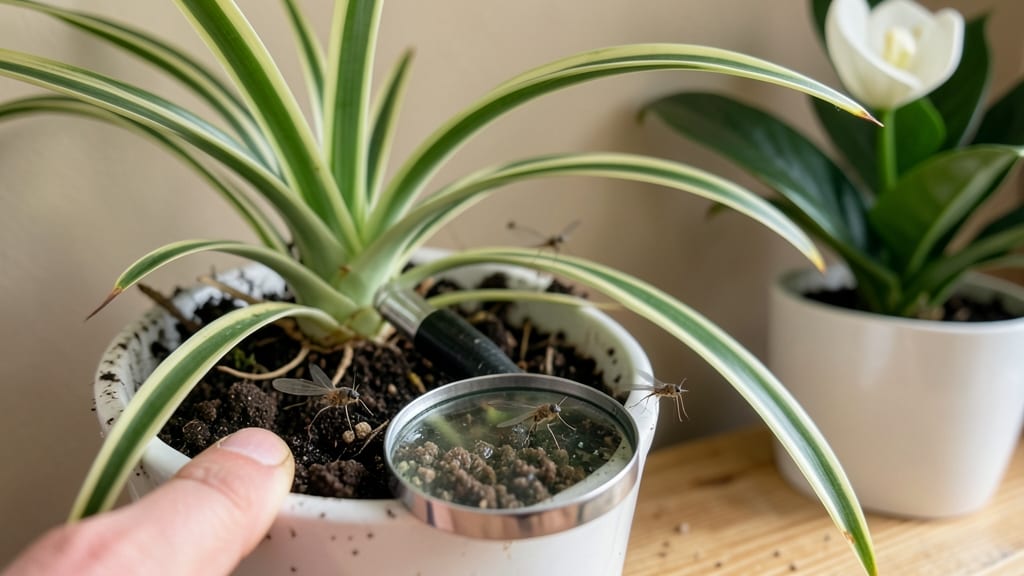
Those tiny, small flies on indoor plants aren’t just annoying—they’re fungus gnats, and they multiply faster than you can say "wilted leaves." 🌱 I’ve battled them in my own collection, and the key to stopping them lies in a simple organic spray that works within hours, not weeks.
The problem starts with overwatered soil and decaying organic matter, creating the perfect breeding ground. These flies don’t just annoy—they lay eggs in damp soil, and their larvae chew on roots, stunting growth.
But here’s the good news: a mix of soapy water, neem oil, and a splash of vinegar disrupts their life cycle immediately.
You’ll see fewer flies within 24 hours, and your plants will start recovering as the soil dries out. The spray is safe for most houseplants, non-toxic, and far more effective than store-bought chemicals that just mask the problem.
For long-term control, adjust your watering habits and add a thin layer of sand or perlite to the soil surface. Trust me—this method works, and it’s the last time you’ll panic over tiny flies.
Root Causes Of Tiny Plant Pests
If you’ve spotted small flies buzzing around your indoor plants, they’re likely fungus gnats or fruit flies—and their presence isn’t random. Understanding the why behind their arrival is the first step to stopping them.
Below, we break down the most common triggers, backed by science, so you can address the problem at its source.
Fungus gnats thrive in damp, decaying organic matter—think of your soil as their all-you-can-eat salad bar. These tiny black flies (or their larvae) love moist conditions because they feed on fungal growth and decomposing plant roots. Here’s how it happens:
- Poor drainage: If your pots lack drainage holes, excess water pools at the bottom, creating a soggy, anaerobic environment perfect for fungal blooms and gnat larvae.
- Overwatering frequency: Watering on a rigid schedule (e.g., every 2–3 days) without checking soil moisture keeps the top layer perpetually wet, signaling gnats to lay eggs.
- Peat-heavy or dense soil: Soils high in organic matter (like peat moss) retain moisture longer, extending the gnats’ dining window. Even "well-draining" mixes can become gnat magnets if compacted.
💡 Pro Tip: Stick your finger 1–2 inches into the soil before watering. If it’s damp, wait. If it’s bone-dry, water thoroughly—but never let saucers sit with standing water.
Fruit flies and fungus gnats are opportunistic feeders, and rotting plant debris is their favorite snack. This includes:
- Dead leaves or stems: Even small clippings left in the pot or soil surface decompose quickly, emitting odors that attract flies.
- Overripe fruit or fallen petals: If you’ve ever left a banana peel near your plants, you’ve essentially called a fruit fly convention.
- Compost or mulch in pots: While compost is great for gardens, it’s a gnat’s dream in containers. The microbial activity creates heat and moisture, accelerating decay.
Why it matters: As organic matter breaks down, it releases volatile organic compounds (VOCs)—essentially chemical signals that flies detect from yards away. A single rotting leaf can trigger a fly infestation within days.
Tiny flies don’t just appear magically—they often hitch a ride on plants, soil, or even your shoes. Here’s how they sneak in:
- New plants or soil: Potting mix from garden centers can harbor gnat eggs or larvae. Even "sterile" bags may contain microscopic contaminants.
- Open windows or doors: Fruit flies from compost bins, garbage, or neighboring gardens will fly indoors if they sense food (your plants).
- Outdoor tools or pots: Trowels, gloves, or outdoor containers can transfer eggs or larvae to your indoor setup.
🔥 Quick Fix: Quarantine new plants for 2–4 weeks in a separate, fly-proof space (like a mesh tent) before introducing them to your collection.
Fungus gnats and fruit flies reproduce fastest in warm (70–80°F) and humid environments. Here’s how your home might be unintentionally helping them:
- Central heating/AC vents: Warm air near radiators or drafty spots can create microclimates where flies thrive.
- High humidity (above 60%): Bathrooms, kitchens, or homes with indoor plants in clusters trap moisture, speeding up fungal growth and egg hatching.
- Grouped plants without airflow: Plants packed tightly together (e.g., on a shelf) create stagnant air, trapping heat and humidity at soil level.
Science Note: Fungus gnat larvae can develop from egg to adult in just 7–10 days under ideal conditions. That’s why a small issue can explode into an infestation overnight.
✨ Actionable Insight: Move plants away from vents, use a small fan to improve airflow, and aim for 40–50% humidity (a hygrometer helps!).
Quick Fixes for Tiny Plant Invaders
Got those pesky small flies buzzing around your indoor plants? 🪰 Don’t panic—these solutions are simple, effective, and most importantly, organic-friendly! Below, we’ve mapped out the best fixes based on the root cause of your fly problem, plus some pro tips to keep them from coming back.
If your plants are drowning in moisture, fungus gnats (those tiny black flies) will thrive in the damp soil. Here’s how to dry it out fast:
- 🔥 Stop Watering Immediately Let the top 1–2 inches of soil dry completely before watering again. Use your finger to test moisture—if it’s damp, wait!
- 🍳 Drain Excess Water Pour out any standing water in the saucer or tray underneath the pot. Stagnant water is a fly buffet!
- 👨🍳 Add Dry Materials Mix in perlite, sand, or coconut coir to improve drainage. This keeps soil aerated and less hospitable to gnats.
- ⏰ Give It Time It may take 3–5 days for the soil to dry enough to deter flies. Be patient!
💡 Pro Tip: If your plant is root-bound, repot it into a container with drainage holes—this prevents future soggy soil.
Fruit flies and fungus gnats love rotting organic matter. Here’s how to remove their favorite snacks:
- 🔪 Trim Dead Leaves & Debris Snip off yellowing, wilting, or fallen leaves. Compost them away from your plants—flies will follow the smell!
- 🥘 Replace Old Mulch If you use mulch (like bark or peat), refresh it with fresh, dry mulch or switch to gravel for a non-organic barrier.
- 🌡️ Boost Airflow Flies thrive in stagnant, humid spots. Use a small fan on low speed near your plants to keep the air moving.
✨ Bonus Fix: Sprinkle food-grade diatomaceous earth (DE) lightly on the soil surface. It’s a natural insecticide that dehydrates flies (but avoid inhaling it—wear a mask when applying).
If your soil looks moldy or has a white fuzzy film, fungus gnats (and their fungal food) are likely the culprits. Fight back with:
- 🍎 Hydrogen Peroxide Spray Mix 1 part 3% hydrogen peroxide with 4 parts water and spray the soil (avoid leaves). This kills fungus and larvae.
- 🌿 Neem Oil Solution Combine 1 tsp neem oil + 1 tsp mild soap + 1 quart water. Spray the soil and leaves (test on a small area first). Reapply every 5–7 days.
- 🔥 Baking Soda Dusting Sprinkle baking soda lightly on the soil surface. It disrupts the fungal environment flies rely on.
🎯 Prevention Tip: After treating, reduce humidity around your plants with a dehumidifier or air purifier.
Fruit flies are drawn to overripe produce, spills, or food residue. Cut off their access with these traps:
- 🍳 Apple Cider Vinegar Trap Fill a small bowl with apple cider vinegar + a drop of dish soap. Cover with plastic wrap, poke holes, and place near plants. Flies will enter but won’t escape!
- 🥘 Overripe Fruit Bait Place a sliced banana or apple in a sealed bag with a small hole. Flies will get trapped inside.
- 🧹 Clean Up Spills Immediately Wipe down counters, windowsills, and plant pots where sugary residue (like from honey or juice) might attract flies.
💡 Quick Win: Keep fruit away from houseplants—even a small piece of rotten fruit can trigger a fruit fly party.
Once you’ve kicked the flies out, these habits will keep them from crashing your plant party again:
- 📊 Water Only When Needed – Stick to a schedule (e.g., every 7–10 days for most tropical plants) and check soil moisture.
- 💪 Use Well-Draining Soil – Mix in orchid bark or perlite to prevent compacted, waterlogged soil.
- 🥗 Rotate Your Plants – Move them occasionally to improve airflow and reduce hidden moisture spots.
- 🍎 Store Food Properly – Keep fruits, veggies, and pet food in sealed containers away from plants.
- 🌡️ Monitor Humidity – Aim for 40–60% humidity—use a hygrometer to track levels.
Final Thought: Consistency is key! Flies can return if conditions stay favorable, so check your plants weekly for early signs of trouble. With these fixes, your indoor jungle will stay fly-free and thriving in no time! 🌿✨
Frequently asked questions
Why do I keep seeing these tiny flies around my indoor plants even after treating them?
New flies often appear because the larvae hidden in your soil continue developing. Adult flies can also fly in from nearby plants, compost, or even open windows. Break their life cycle by letting the top 2 inches of soil dry completely between waterings and using sticky traps to catch adults.
Are these small flies harmful to my plants?
While adult flies are mostly annoying, their larvae can damage roots by feeding on organic matter. Severe infestations may stunt plant growth, but most healthy plants recover once the flies are gone. Focus on drying soil and removing decaying debris to prevent future damage.
Can I use coffee grounds to get rid of these flies?
Yes! Sprinkle a thin layer of used coffee grounds on the soil surface—they repel flies and improve soil as they decompose. Just avoid overdoing it, as too much can compact the soil. For best results, mix with sand or perlite to maintain airflow.
How long does it take for these organic treatments to work?
You should see fewer flies within 24-48 hours with traps or sprays, but complete elimination takes 1-2 weeks as larvae mature. Consistency is key—reapply sprays every 5-7 days and maintain dry soil conditions. Patience pays off!
Will these methods work for all types of indoor plants?
Most organic treatments are safe for common houseplants, but always test sprays on a small leaf first. Avoid hydrogen peroxide on succulents or cacti, and use neem oil cautiously on sensitive plants like peace lilies. When in doubt, start with simple solutions like drying soil and traps.