
How To
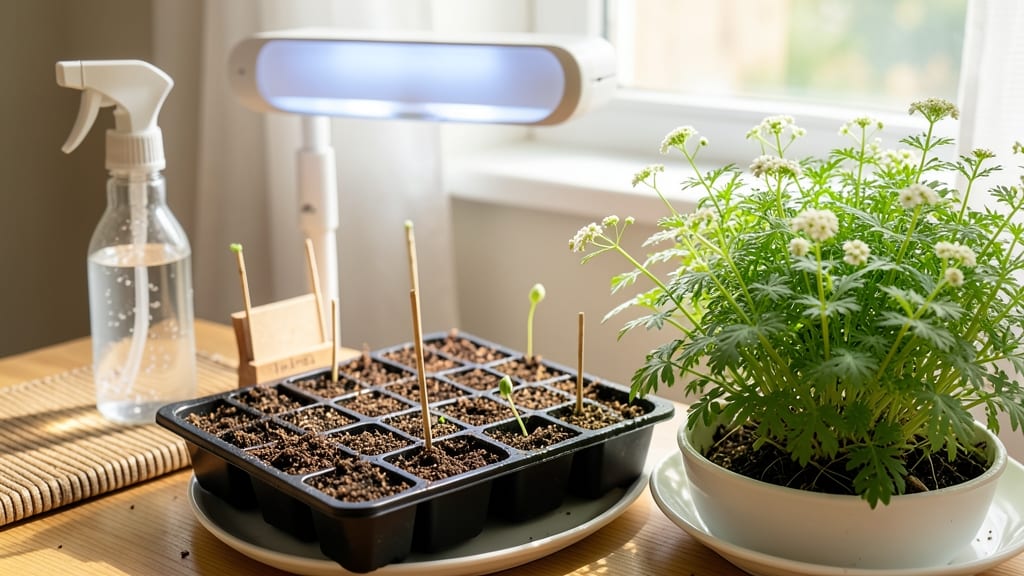
To start alyssum seeds indoors, aim for 6–8 weeks before your last frost date—this timing ensures sturdy seedlings ready for transplanting when spring arrives.
Picture this: you’ve got a tray of delicate 🌸 alyssum seedlings stretching toward the light, but you’re not sure if you’ve given them enough time. Too early, and they’ll get leggy; too late, and frost will nip them before they bloom.
In USDA Zone 6a, that means starting in early to mid-February for a mid-April transplant.
Why does this matter? Alyssum thrives when transplanted at the right size—about 2–3 inches tall—so timing isn’t just about avoiding frost. It’s about giving your plants the best shot at a vibrant, fragrant spring display.
Miss the window, and you’re left with either weak seedlings or no blooms at all.
Below, I’ll break down the exact weeks to start based on your frost date, plus how to adjust for early blooms or fall planting. No guesswork—just healthy, frost-resistant alyssum ready to take over your garden.
How to calculate alyssum indoor seed starting dates by frost dates
Determining the perfect time to start alyssum seeds indoors depends on two critical factors: your local last frost date and the plant's maturity timeline. Alyssum typically takes 60 days to reach transplant readiness, but this varies slightly by variety.
I’ll walk you through a foolproof method to calculate your ideal sowing window, tailored to your USDA hardiness zone.
First, locate your average last frost date using the USDA Plant Hardiness Zone Map. For example, in Zone 6a (like much of the Midwest), the last frost usually falls around April 15.
Subtract 6–8 weeks from this date to determine your indoor sowing window. This ensures seedlings are robust enough to handle outdoor conditions without shock.
For gardeners in warmer zones (7b–10), you can push sowing dates slightly later—4–6 weeks before the last frost—since milder climates allow for faster hardening off. Conversely, in colder zones (3–5), aim for 8–10 weeks before frost to account for slower growth and shorter growing seasons.
Here’s a customizable formula to calculate your exact sowing date: Last Frost Date – Days to Maturity (60) – Buffer Days (7–14) = Indoor Sowing Window. The buffer accounts for germination delays or unexpected setbacks.
Pro tip: Use a seedling heat mat if your home runs cool (65°F or below) to speed up germination. Alyssum seeds germinate best in 60–70°F soil, so a heat mat can shave off 3–5 days from your timeline. Adjust your sowing date accordingly if you’re using one.
Once you’ve nailed down your sowing window, mark your calendar for hardening off, which begins 10–14 days before transplanting. Hardening off—gradually exposing seedlings to outdoor conditions—prevents transplant shock and ensures your alyssum thrives after moving to the garden.
For fall-blooming alyssum, repeat the process in late summer, aiming for transplants 6–8 weeks before your first frost. This timing guarantees fragrant blooms during cooler months, adding color to your garden when many other plants fade.
Remember, light is non-negotiable for indoor seedlings. Place trays under grow lights or near a south-facing window for 12–16 hours of light daily. Without adequate light, seedlings stretch and weaken, delaying maturity and blooming.
By following this frost-date calculator method, you’ll avoid the heartbreak of leggy seedlings or frost-killed transplants. Happy growing, and enjoy your fragrant, low-maintenance alyssum blooms all season long! 🌸
Alyssum seed starting mistakes that kill seedlings (and how to avoid them)
Starting alyssum seeds indoors can be tricky—even experienced gardeners sometimes struggle with seedling health and transplant shock. The most common mistakes revolve around watering habits, light exposure, and temperature control.
These oversights often lead to weak, leggy seedlings that fail to thrive after moving outdoors. Let’s tackle the biggest pitfalls and how to avoid them.
First, overwatering is a silent killer of alyssum seedlings. Unlike mature plants, tiny sprouts have delicate roots that suffocate in soggy soil. I’ve seen entire trays of seedlings turn to mush because they were kept too wet.
Always use well-draining seed-starting mix and let the top inch dry out between waterings. A spray bottle or bottom-watering tray helps prevent drowning your seeds.
Another frequent mistake is insufficient light, which causes seedlings to stretch toward any available light source. This results in weak stems that snap easily during transplanting. Place your trays near a south-facing window or under grow lights for 12–14 hours daily.
If you notice seedlings leaning, rotate the tray daily to encourage even growth.
⚠️ callout warning ⚠️
Starting alyssum seeds too early (before January) risks outgrown seedlings by transplant time. Conversely, sowing too late (after March) may leave them vulnerable to late frosts. Aim for 6–8 weeks before last frost—typically February in most USDA zones. Use a frost-date calculator to adjust for your region.
Temperature swings are another enemy of alyssum seedlings. These cool-loving plants prefer 60–65°F for germination and 55–60°F afterward. A cold windowsill or drafty room can shock seeds into dormancy. Use a seedling heat mat (set to 70°F) until sprouts appear, then move to a stable, warm spot. Avoid placing trays near vents or doors that cause fluctuations.
Transplant shock often strikes when seedlings aren’t hardened off properly. Before moving alyssum outdoors, acclimate them gradually over 7–10 days. Start with 1–2 hours of outdoor exposure in partial shade, then increase daily.
Skip this step, and you’ll end up with wilted, stressed plants that struggle to recover. Watch for yellowing leaves or drooping stems—signs they’re not ready for the transition.
Finally, poor soil quality can stunt growth from the start. Alyssum thrives in light, airy mixes with added perlite or vermiculite. Heavy, compacted soil traps moisture and blocks roots. Mix your own blend with 50% peat moss, 30% perlite, and 20% compost for ideal drainage.
Sterilize the mix to prevent damping-off disease, a fungal killer of young seedlings.
By avoiding these common mistakes—overwatering, poor lighting, temperature swings, and rushed hardening—you’ll grow sturdy alyssum seedlings ready to bloom beautifully in your garden. With the right care, your tiny sprouts will become fragrant, pest-repelling powerhouses that last all season. 🌱