
Planting
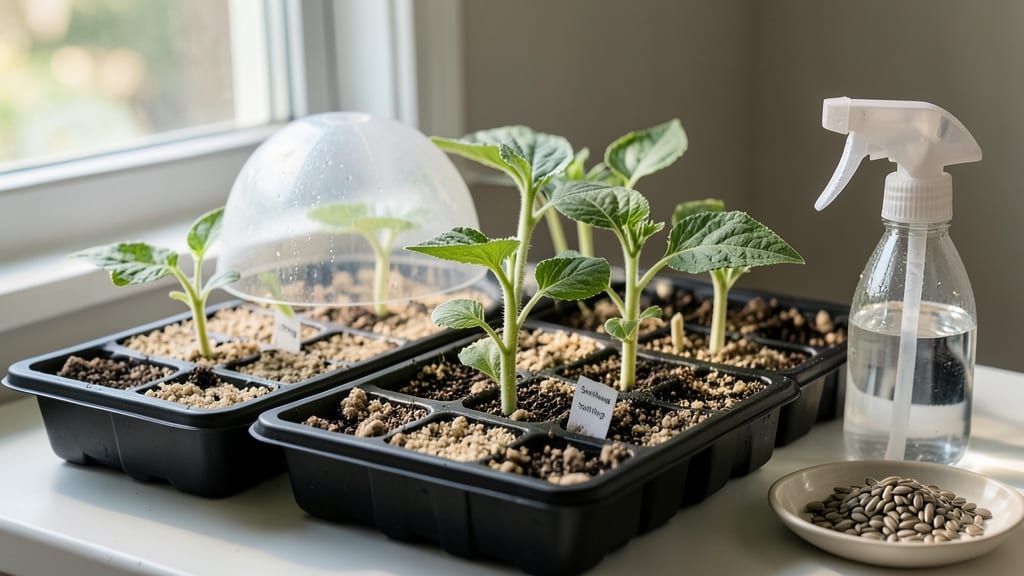
Starting sunflower seeds indoors gives you a 4-week head start for those towering stalks that steal the show in summer. 🌻 I learned the hard way that timing matters—plant too early, and seedlings get leggy; too late, and you miss the outdoor growing window.
The key is matching your last frost date to a 4-week countdown from when you pop those seeds in soil.
Most gardeners in the U.S. can start seeds indoors by late February to early March for summer blooms, but check your zone. Zone 5? Aim for March 1st. Zone 8?
Wait until mid-March. You’ll need a sunny windowsill or grow light, and those seeds germinate fastest in 70-75°F soil—so a heat mat helps in cool homes.
By transplanting outdoors 2-3 weeks after your last frost, you’ll have stocky, sturdy seedlings ready to take off. The payoff? Sunflowers that reach 10+ feet tall by midsummer, with blooms that attract pollinators and turn heads.
No more rushing to the nursery for sad, stunted plants—you’ll grow giants from seed.
Works for all sunflower varieties, from dwarf Teddy Bear to Mammoth giants. Just adjust your start date based on your climate, and you’re set for a season of sunflower drama. Here’s how to nail the timing!
Timing Mistakes That Stunt Growth
Sunflower seeds thrive when planted at the right moment, but misjudging their indoor start time can lead to weak, leggy, or underdeveloped plants. Understanding the underlying causes helps you avoid common pitfalls and ensure your sunflowers reach their full potential. Here’s why timing matters so much—and how to fix it.
Sunflowers (Helianthus annuus) are sensitive to cold temperatures, especially when young. Starting seeds too early—before your last frost date—can trigger several problems:
- Stunted Growth from Cold Soil: If your indoor environment (or seed-starting setup) is too cool (<60°F/15°C), seeds may germinate slowly or not at all. Even after sprouting, seedlings exposed to drafts or unheated spaces can develop blackened stems or yellowing leaves due to chilling injury.
This stress diverts energy away from root and stem development, leaving your sunflowers weak.
- Leggy Seedlings from Stretched Light: Sunflowers stretch toward any light source when deprived of sunlight. If you start seeds weeks before transplanting outdoors but your indoor setup lacks 12–16 hours of bright light daily, seedlings will grow tall and spindly (a condition called etiolation).
These "whip-like" stems are prone to snapping and struggle to support heavy flower heads later.
- Delayed Maturity: Sunflowers have a short growing season (60–90 days to maturity). Starting too early means they may bolt (flower prematurely) indoors or not reach full height before frost. This cuts their potential yield and beauty.
💡 Pro Tip: Use a heat mat (70–75°F/21–24°C) for germination and move seedlings to a sunny windowsill or grow lights once they sprout. Aim to transplant outdoors 2–3 weeks before the last frost for optimal growth.
Starting seeds too late in a warm environment can backfire if your indoor setup isn’t regulated. Sunflowers hate excessive heat (>85°F/29°C) and inconsistent moisture, which lead to:
- Damping Off: A fungal disease caused by overwatering in warm, humid conditions. Seedlings develop soft, mushy stems at the base and collapse. This is especially risky if your seed trays lack proper drainage or are kept in plastic bags without airflow.
- Slow Germination: While sunflowers love warmth, extreme heat (like a seedling heat mat left on too long) can dry out seeds before they sprout. The ideal soil temperature for germination is 70–75°F (21–24°C)—any hotter, and seeds may fail to absorb water properly.
- Nutrient Burn: Over-fertilizing or using high-salinity soil mixes (like cheap potting soil) can scorch young roots, stunting growth. Sunflowers need balanced nutrients, but seedlings are sensitive to excess salts.
💡 Pro Tip: Use a thermometer to monitor soil temps and bottom-water seedlings (place trays in a shallow dish of water) to avoid overwatering. Once seedlings have 2–3 true leaves, switch to a light, well-draining mix and fertilize lightly with a diluted seaweed solution.
Sunflowers are fast-growing but light-dependent. Skipping the right timing for indoor starts often means insufficient light, which triggers:
- Albinism (Pale, Yellow Leaves): Without enough blue and red spectrum light, seedlings produce chlorophyll-deficient leaves that can’t photosynthesize efficiently. This leads to weak stems and slow growth.
- Flopping Seedlings: Sunflowers need strong stems to support their weight. If they don’t get enough light early on, their cell walls weaken, causing them to bend or break when transplanted.
- Premature Flowering Indoors: Some sunflower varieties (like ‘Moulin Rouge’) may bolt indoors if they sense long daylight hours too early. This wastes energy and reduces outdoor performance.
💡 Pro Tip: Use full-spectrum LED grow lights 12–16 hours/day, keeping them 2–4 inches above seedlings. Rotate trays daily for even growth, and harden off seedlings (acclimate to outdoor conditions) 1 week before transplanting to prevent shock.
Sunflowers are warm-season plants and cannot tolerate frost. Planting indoors too late means:
- Shortened Growing Season: If you wait until after your last frost date to start seeds indoors, they may not mature before fall. Sunflowers need 60–90 days to flower, so late starts = small blooms (or none).
- Transplant Shock: Seedlings started too late may be overcrowded in indoor trays, leading to competing roots and weakened plants. When moved outdoors, they struggle to adapt to soil microbes, wind, and direct sun, often wilting or stalling.
- Pest Vulnerability: Late-started sunflowers may lag behind in growth, making them more susceptible to slugs, cutworms, and aphids once outdoors.
💡 Pro Tip: Check your USDA Hardiness Zone and average last frost date (use the [Old Farmer’s Almanac](https://www.almanac.com/) as a guide). For most zones, start seeds 4–6 weeks before the last frost for tall varieties (like ‘Russian Giant’) and 2–3 weeks before for shorter types (like ‘Teddy Bear’).
Fixing Common Indoor Sunflower Mistakes
Growing sunflower seeds indoors can feel like a race against time—especially when things go wrong. But don’t worry! Most issues have simple fixes, and with the right adjustments, your sunflowers will reach for the sky in no time.
Below, we’ll tackle the most common problems and show you how to turn them around, plus how to prevent them from happening again.
Cause: Too cold, too dry, or planted too deep. Fix It:
- 🔥 Warm Them Up: Sunflower seeds need warmth (70–75°F) to sprout. Place your seed trays on a heat mat or near a sunny window.
- 💧 Keep Moist (But Not Soggy): Mist the soil lightly every 1–2 days. A humidity dome or plastic wrap can help retain moisture.
- 📏 Plant at the Right Depth: Press seeds just ½ inch deep—no deeper! Use your finger to mark the spot if needed.
Prevention Tip: 🌡️ Pre-soak seeds overnight in warm water before planting to kickstart germination.
Cause: Not enough light or overcrowding. Fix It:
- 🔦 Move Them Closer to Light: Sunflowers need 12–16 hours of bright light daily. Use a grow light if natural light is dim.
- 🌱 Thin Them Out: If seedlings are too close (less than 2 inches apart), snip the weakest ones at the base to give the strongest one room to grow.
Prevention Tip: 🎯 Start with 2–3 seeds per pot—this ensures you don’t waste time thinning later.
Cause: Overwatering, poor drainage, or nutrient deficiency. Fix It:
- 💧 Check Your Watering Routine: Let the top inch of soil dry out between waterings. Yellow leaves often mean too much water!
- 🚰 Improve Drainage: Ensure pots have drainage holes and use a well-draining mix (50% potting soil, 50% perlite or vermiculite).
- 🍽️ Feed Them Lightly: After 2–3 weeks, use a balanced fertilizer (like 10-10-10) diluted to half strength.
Prevention Tip: ✨ Use a moisture meter to avoid guesswork—sunflowers hate soggy roots!
Cause: Insufficient nutrients, root-bound pots, or temperature swings. Fix It:
- 🌱 Upgrade Their Home: If roots are circling the pot, transplant into a larger container (at least 12 inches deep).
- 🌡️ Keep Temps Steady: Sunflowers thrive in 65–75°F. Avoid drafts or cold windowsills.
- 💪 Boost Nutrients: Switch to a phosphorus-rich fertilizer (like 5-10-5) to encourage strong stems.
Prevention Tip: 🔥 Start with nutrient-rich soil—add compost or worm castings at planting time.
Cause: High humidity or infestations (like aphids or fungus gnats). Fix It: - 🐛 Inspect Regularly: Check leaves for tiny bugs or webbing.
Spray with neem oil if needed. - 🌬️ Improve Airflow: Space pots apart and use a small fan to reduce humidity. - 🧼 Clean Tools: Sterilize scissors or shears with rubbing alcohol to prevent mold spread.
Prevention Tip: 💡 Use a fan on low for 10 minutes daily to keep humidity in check.
Before your sunflowers head outdoors (after 4–6 weeks), run through this quick list: ✅ Light: 12+ hours of bright light daily. ✅ Water: Only when the top inch is dry. ✅ Space: At least 6 inches between seedlings. ✅ Nutrients: Fertilized weekly after 3 weeks. ✅ Hardening Off: Gradually expose to outdoor conditions for 1–2 weeks before transplanting.
With these fixes, your sunflowers will grow tall, strong, and ready to shine! 🌻✨
Frequently asked questions
What's the best soil temperature for sunflower seed germination?
Sunflower seeds need warm soil to sprout quickly—aim for 70-75°F (21-24°C). Use a seedling heat mat if your home stays cooler than this. The seeds may take longer to germinate or even rot if soil temps drop below 60°F (15°C). A thermometer helps monitor conditions perfectly.
How do I know when my sunflower seedlings are ready to transplant?
Seedlings are ready when they have 2-3 true leaves and are at least 4-6 inches tall. Check for sturdy stems and vibrant green leaves before moving them outdoors. Harden them off first by placing outside for 2-3 hours daily over a week before full transplant.
Can I start sunflower seeds in paper towels instead of soil?
Yes! Place seeds between damp paper towels in a sealed container for 2-3 days until sprouts appear. Once roots form (about ¼ inch long), transfer carefully to soil. This speeds up germination and gives you a head start. Just be gentle when transplanting to avoid damaging delicate roots.
What's the difference between starting sunflowers indoors vs. direct sowing?
Indoor starting gives you a 4-week head start for taller varieties, while direct sowing works for short-season zones or small plants. Indoor starts avoid frost damage and give stronger seedlings, but direct sowing is easier and saves space. For giant varieties like 'Russian Giant', indoor starting is best.
How long do sunflower seeds take to germinate indoors?
With ideal conditions (70-75°F soil and consistent moisture), sunflower seeds typically sprout in 7-14 days. Some fast varieties may appear in just 5 days, while slower ones can take up to 3 weeks. Keep soil moist but not soggy during this period for best results.