
Planting
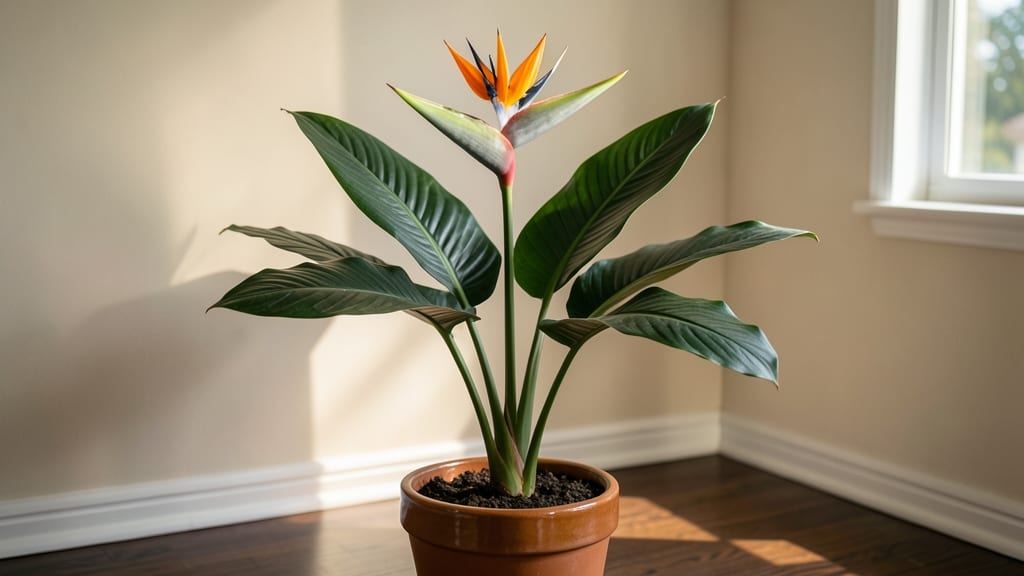
Growing a birds of paradise plant indoors brings jungle drama to your living room—those striking orange-and-blue blooms make it worth every effort. 🌿 I’ve wrestled with mine through winter’s dim light, and now it thrives where most tropicals would sulk, proving this plant is tougher than it looks.
The secret? Mimicking its South African savanna roots with smart light hacks, precise watering, and a humidity boost that keeps it happy year-round.
You’ll need a bright spot (even artificial light works) and a pot with drainage—terracotta helps wick away excess moisture. This plant hates soggy roots but loves deep watering when the top inch feels dry.
A humidity tray or occasional misting keeps those dramatic leaves from crisping at the edges, while a balanced fertilizer in spring and summer fuels its showstopping growth.
By summer’s end, you’ll be rewarded with 3-foot-tall blooms that look like exotic birds in flight. The plant even tolerates occasional neglect, though it’ll reward consistency with lush foliage and those jaw-dropping flowers.
Repot every 2-3 years when roots crowd the container, and watch it bounce back from pruning mistakes like a champ.
Perfect for apartments, offices, or sunrooms—just avoid drafty corners. With these adjustments, your birds of paradise will outshine store-bought bouquets and last for decades. Let’s get yours thriving!
📚 In This Guide
- What you need
- Instructions
- Tips and common mistakes
- Wrapping up and next steps
What you need
- ● Birds of Paradise plant: Choose a healthy young plant (3–4 ft tall) from a nursery or online retailer. Pro tip: Look for lush green foliage and sturdy stems!
- ● Large, well-draining pot: A container 12–18 inches in diameter with drainage holes (ceramic or terracotta works best).
- ● High-quality potting mix: A blend of 50% peat-based soil, 30% perlite or orchid bark, and 20% coarse sand for aeration.
- ● Slow-release fertilizer: A balanced 10-10-10 or 20-20-20 formula to kickstart growth.
- ● Watering can with a narrow spout: For precise hydration without over-saturating the soil.
- ● Pruning shears or sharp scissors: For trimming dead leaves or shaping the plant.
- ○ Gloves (optional): To protect your hands from soil or sharp leaf edges.
- ● Bright, indirect light source: A south- or east-facing window or a grow light (LED or fluorescent) for low-light spaces.
- ● Humidity tray or pebble tray: To maintain 40–60% humidity (especially in dry climates).
- ○ Misting bottle (optional): For occasional leaf misting to boost humidity.
Step-by-step guide to growing birds of paradise indoors
Bringing this striking tropical plant indoors is easier than you think—just follow these steps for lush, vibrant growth.
🪴 Step 1: Select the Right Container and Drainage
Choose a pot that’s at least 12 inches wide with drainage holes—birds of paradise hate soggy roots. I prefer terracotta because it breathes and helps prevent root rot. If your pot lacks drainage, add a layer of ½-inch pebbles or broken pottery at the bottom before filling with soil.
The container should be slightly larger than the plant’s root ball but no more than 2-3 inches wider—too much space encourages overwatering. Place a saucer underneath to catch excess water, but always empty it after 15 minutes to avoid moisture buildup.
🌿 Step 2: Use Well-Draining Soil and Plant Properly
Birds of paradise thrive in a mix that drains quickly but retains some moisture. Combine 2 parts potting soil with 1 part perlite or orchid bark for aeration. Avoid garden soil—it compacts and suffocates roots.
Remove the plant from its nursery pot and gently loosen the roots if they’re circling. Place it in the new container so the top of the root ball sits ½ inch below the rim. Fill around the edges with your soil mix, pressing lightly to eliminate air pockets. Water thoroughly until moisture runs out the drainage holes.
☀️ Step 3: Position in Bright, Indirect Light
This plant loves light but can’t handle harsh midday sun. Place it near an east- or west-facing window where it gets 4-6 hours of bright, indirect light daily. If leaves start yellowing or stretching toward the light, your spot isn’t bright enough—move it closer or supplement with a grow light.
Rotate the pot a quarter turn every 2 weeks so the plant grows evenly. You’ll notice new leaves emerging on all sides, not just one direction. Avoid cold drafts—birds of paradise prefer temperatures between 65-80°F.
💧 Step 4: Water Deeply but Infrequently
Water only when the top 2 inches of soil feel dry—stick your finger in to check. When you water, soak the soil until water drains out the bottom. Let the saucer empty completely before adding more water. Overwatering is the #1 killer of indoor birds of paradise.
Reduce watering in winter when growth slows. Yellow leaves often signal overwatering, while crispy brown edges mean the air is too dry. Mist the leaves occasionally or place the pot on a tray of pebbles with water to increase humidity.
✂️ Step 5: Fertilize and Prune for Long-Term Health
Feed your plant every 4-6 weeks in spring and summer with a balanced, water-soluble fertilizer diluted to half strength. Stop fertilizing in fall and winter—this plant rests during cooler months. You’ll see new growth within 2-3 weeks of fertilizing if conditions are right.
Remove dead or yellowing leaves by cutting them at the base with clean, sharp scissors. If the plant becomes top-heavy, prune leggy stems back to a healthy node. This encourages bushier growth and prevents the plant from tipping over.
Tips & tricks for thriving indoor birds of paradise
Here's what I've learned after watching these dramatic plants transform my space—avoid these common pitfalls for lush, vibrant growth.
Container Selection: The 12-inch minimum pot size matters because birds of paradise need room to establish their extensive root systems. I've seen them struggle in smaller pots where roots become root-bound within months. If you're repotting, choose a container that's only 2-3 inches wider than the root ball—this prevents overwatering by reducing the soil volume that needs moisture. The 15-minute drainage window after watering is critical: I've learned the hard way that leaving water in saucers creates the perfect environment for fungal growth.
Soil Mix Secrets: That 2:1 ratio of potting soil to perlite/orchid bark creates the perfect balance between moisture retention and aeration. I've experimented with adding a handful of coconut coir to the mix for extra moisture retention during dry winter months. When planting, make sure the root ball sits ½ inch below the rim—this prevents soil from spilling out while allowing proper drainage. The key is to press the soil lightly around the edges to eliminate air pockets without compacting it too much.
Lighting Strategy: Those 4-6 hours of bright, indirect light are non-negotiable—this plant is tropical and needs consistent light exposure. I've found that east-facing windows provide the perfect balance, while south-facing windows can be too intense. The quarter-turn rotation every two weeks ensures even growth, which prevents that lopsided look many indoor plants develop. If your space lacks natural light, a simple LED grow light on a timer can work wonders—just make sure it's 6-12 inches above the plant.
Seasonal Adjustments: The 65-80°F temperature range is ideal, but winter presents unique challenges. I've noticed that indoor heating systems often create dry air, which causes those crispy brown edges. Placing the pot on a tray of pebbles with water creates a natural humidifier—just make sure the pot isn't sitting directly in water. In winter, reduce watering frequency as growth naturally slows down, but never let the soil dry out completely between waterings.
Pro Tips for Birds Of Paradise Plant Indoor
- Here's what I've learned after watching these dramatic plants transform my space—avoid these common pitfalls for lush, vibrant growth.
- Container Selection: The 12-inch minimum pot size matters because birds of paradise need room to establish their extensive root systems.
- Soil Mix Secrets: That 2:1 ratio of potting soil to perlite/orchid bark creates the perfect balance between moisture retention and aeration.
Frequently asked questions
How much light does an indoor Birds of Paradise really need?
While they love bright, indirect light, Strelitzia nicolai can adapt to low-light spaces—just expect slower growth. Place it near a north- or east-facing window, or supplement with a grow light (12–14 hours/day) if leaves start yellowing. Pro tip: Rotate the pot every few weeks for even growth!
Why are my plant’s leaves turning brown or crispy?
Brown edges usually mean underwatering (or overwatering—check soil moisture first!). These tropical divas prefer consistently moist (but not soggy) soil. Adjust your watering schedule: let the top 1–2 inches dry out between waterings. Humidity matters too—mist leaves or use a pebble tray in dry climates.
How fast does an indoor Birds of Paradise grow?
Growth speed depends on light, care, and patience! Under ideal conditions (bright light, warmth, and humidity), expect 1–2 feet per year. In low-light spaces, growth may slow to 6–12 inches annually. Patience pays off: Mature plants can reach 6+ feet indoors with proper care!
Can I grow Birds of Paradise from cuttings or seeds?
While possible, it’s tricky! Cuttings (from mature stems) root slowly and often fail. Seeds take years to bloom—best for patient gardeners. Instead, opt for a healthy nursery plant (look for vibrant leaves and sturdy stems). Pro move: Repot every 2–3 years for fresh soil and space!
What pests should I watch for on indoor Birds of Paradise?
Keep an eye out for spider mites (tiny webs on undersides of leaves) or scale insects (bumpy brown spots). Treat early with neem oil or insecticidal soap. Prevention tip: Wipe leaves with a damp cloth weekly to deter pests and dust buildup.
What’s the ideal temperature for indoor Birds of Paradise?
These tropical beauties thrive in 65–80°F during the day and never below 50°F. Avoid drafts (like AC vents or cold windows) and keep them away from heaters. Bonus: A warm bathroom or sunroom can be a great spot!
Wrapping up and next steps
Bringing the Birds of Paradise plant indoors is a fantastic way to infuse your space with tropical charm—even in low-light areas! 🌿 With the right care, this stunning plant thrives as a statement piece, offering bold foliage and occasional blooms that feel like a vacation in a pot.
Whether you’re a plant novice or a seasoned green thumb, its adaptability makes it a rewarding addition to any home.
Ready to transform your space? Start by selecting the perfect pot and location, then follow the care tips shared here. Before you know it, your indoor jungle will be flourishing—and so will your confidence as a plant parent! 🌟