
Pests
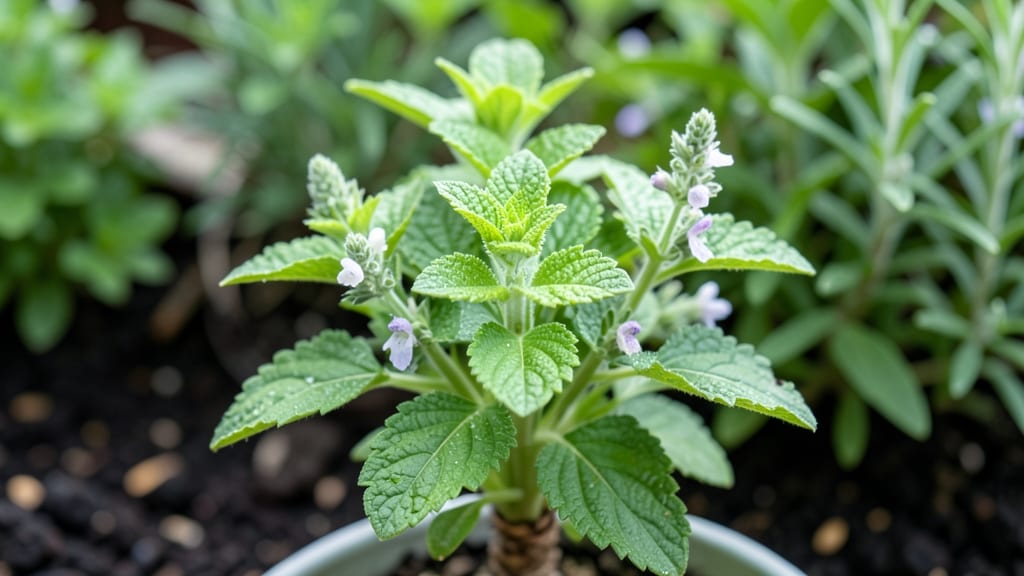
The best bug-repellent indoor plants—my citronella and lavender trio—keep mosquitoes and flies away without chemicals. 🌿 These powerhouse plants work by masking scents that attract pests, creating a natural barrier right in your home. The secret lies in their strong fragrances, which disrupt bugs' ability to locate food sources like you. Placement matters most: position citronella near windows and doors, while lavender thrives on sunny windowsills. Keep soil consistently moist but not soggy, and prune regularly to encourage dense growth. Within weeks, you'll notice fewer buzzing interruptions during summer evenings. The payoff is immediate: fewer bites, cleaner air, and plants that double as living decor. Even my black thumb can't kill these—just remember they need bright light to stay potent. For stubborn pests, add a few basil plants nearby for extra protection. These plants work best when combined with good airflow—open windows during the day help their scents disperse. If bugs still linger, check for hidden moisture sources like leaky pipes or overwatered houseplants nearby. The trio thrives in standard potting mix and only needs watering when the top inch feels dry. For maximum effectiveness, rotate plants seasonally—lavender loves summer sun but needs cooler temps in winter. Store them in a bright spot during darker months to maintain their pest-repelling strength. The result? A home that smells amazing and stays bug-free naturally.
Nature’s Hidden Pest Magnet
Indoor plants act like silent bug repellents—but why do certain pests get drawn to them while others stay away? The answer lies in a mix of chemical signals, environmental cues, and plant biology that create an invisible welcome mat for some insects while keeping others at bay.
Let’s break down the science behind why bugs are either attracted to or repelled by your leafy companions.
Plants emit volatile organic compounds (VOCs)—natural chemicals released into the air that act like invisible messages. Some bugs are drawn to these scents because they signal food, shelter, or even mating opportunities. Others? They’re the equivalent of a neon "DO NOT ENTER" sign.
- Attractive VOCs:
- Citronella (in lemongrass) might repel mosquitoes outdoors, but its citrusy scent can attract certain beetles or aphids indoors, which mistake it for a food source.
- Lavender’s linalool and linalyl acetate are mosquito deterrents, but they can also lure pollen-eating insects like bees or moths if the plant is in bloom.
- Sweet-smelling plants (e.g., basil, mint) produce monoterpenes, which some fruit flies and fungus gnats find irresistible—like a buffet invitation.
- Repellent VOCs:
- Geraniol (in roses and geraniums) disrupts insects’ olfactory receptors, making it hard for them to detect hosts like you or your pets.
- Eugenol (in cloves and some basil varieties) interferes with pests’ neurological pathways, causing confusion or avoidance.
- Pyrethrins (in chrysanthemums) are natural insecticides that overstimulate pests’ nervous systems, leading to paralysis or death.
Pro Tip: 💡 If you notice bugs clustering on one plant, it’s likely emitting VOCs they love—try rotating plants or adding a repellent neighbor (like a peppermint plant near your basil) to break the cycle.
Indoor plants create tiny ecosystems with humidity, temperature, and airflow that some pests adore. For example:
| Factor | Why Bugs Love It | How to Fix It |
|---|---|---|
| 💦 High Humidity | Fungus gnats and spider mites thrive in moist soil and air—like a tropical spa for them. | Use a well-draining pot and let the top inch of soil dry between waterings. |
| 🌡️ Warm Leaf Surfaces | Mealybugs and scale insects prefer warmth (75–85°F), which speeds up their reproduction. | Wipe leaves with neem oil or increase airflow with a small fan. |
| 🌬️ Stagnant Air | Pests like whiteflies avoid drafts but love still air, where their eggs and larvae go undisturbed. | Place plants near open windows or use a gentle oscillating fan. |
Pro Tip: 🌡️ Monitor your plant’s microclimate with a hygrometer—aim for 40–60% humidity to deter most pests without inviting them in.
Bugs don’t just show up randomly—they’re following a life cycle tied to your plant’s health. Here’s how it works:
- Stressed Plants = Bug Buffet
- When plants are underwatered, overwatered, or nutrient-deficient, their phloem sap (the plant’s "blood") becomes sweeter and more appealing to aphids, whiteflies, and spider mites.
- Yellowing leaves (a sign of nitrogen deficiency) can attract thrips, which feed on damaged tissue.
- New Growth = Bug Party
- Soft, new leaves are high in water and sugars, making them a magnet for caterpillars, slugs, and beetles.
- Prune overly lush growth to reduce temptation—or introduce predatory bugs like ladybugs to eat the pests.
- Seasonal Shifts
- In spring/summer, warm air increases mosquito and gnat activity, while winter brings scale insects seeking warmth near heat sources (like your plants).
- Adjust your plant rotation: Move repellent plants (like lavender) closer to windows in winter to disrupt pest pathways.
Pro Tip: ✨ Quarantine new plants for 2–4 weeks before adding them to your collection—this stops hitchhiking pests from crashing your bug-free party.
Understanding these triggers lets you outsmart pests instead of just reacting to them. Next, we’ll explore how to turn these science-backed insights into action with the right plant pairings!
Quick Fixes for Bug Issues
When bugs invade your indoor space, your natural bug-repelling plants can be your first line of defense—but sometimes, they need a little help. Below are practical, step-by-step solutions tailored to common pest problems, along with prevention tips to keep your home bug-free long-term.
---
Ants are drawn to sweet scents, but your citronella and lavender can still deter them—if you use them strategically.
✅ Fix It: 1. 🌿 Place plants near entry points – Position citronella and lavender near windows, doors, and cracks where ants might sneak in. 2. 🍋 Boost the scent – Crush a few citronella leaves or lavender buds near problem areas to release a stronger repellent aroma. 3. 🧹 Keep surfaces clean – Wipe down counters and floors with vinegar or lemon juice (ants hate these smells!). 4. 🚪 Seal entryways – Use caulk or weather stripping to block tiny gaps where ants enter.
💡 Prevention Tip: Store food in airtight containers—ants are less likely to scout if they can’t detect food sources.
---
Spiders avoid strong fragrances, so your lavender and citronella can help—but they need backup for stubborn webs.
✅ Fix It: 1. 🕸️ Disrupt their webs – Gently remove webs with a damp cloth or vacuum (spiders dislike vibrations). 2. 🌸 Place plants in corners – Lavender’s scent deters spiders, so keep it near baseboards and dark corners. 3. 🌞 Increase airflow – Spiders love stagnant air; open windows occasionally to discourage them. 4. 🧼 Use natural sprays – Mix water + peppermint oil in a spray bottle and lightly mist spider-prone areas.
💡 Prevention Tip: Keep your home well-lit at night—spiders prefer dim, hidden spots.
---
Citronella is famous for repelling mosquitoes, but if they’re already inside, you’ll need a two-pronged approach.
✅ Fix It: 1. 🌿 Maximize plant placement – Place citronella pots near seating areas, windows, and doors. 2. 💨 Use a fan – Mosquitoes are weak fliers; a gentle breeze keeps them away from you. 3. 🚪 Check for standing water – Empty trays under plants, vases, and pet bowls—mosquitoes breed in stagnant water. 4. 🌿 Make a DIY repellent spray – Blend citronella leaves + water, strain, and spray around entry points.
💡 Prevention Tip: If mosquitoes are persistent, grow basil or marigolds near windows—they also repel flying pests!
---
These tiny pests love humidity and organic matter—your plants can help, but you’ll need extra hygiene steps.
✅ Fix It: 1. 🌿 Keep plants healthy – Overwatered soil attracts gnats; let the top inch dry out between waterings. 2. 🧼 Wash plant leaves – Gnats hide under leaves; spray with neem oil solution (1 tsp neem oil + 1 quart water). 3. 🪟 Vacuum regularly – Fleas hide in carpets and furniture; vacuum weekly with a HEPA filter. 4. 🍋 Use apple cider vinegar – Place a shallow dish of ACV + water near plants to trap gnats.
💡 Prevention Tip: If fleas are a recurring issue, wash pet bedding in hot water and use diatomaceous earth (food-grade) in cracks.
---
Even with repellent plants, proactive care keeps pests at bay.
| Problem | Solution | Prevention | |----------------------|---------------------------------------|------------------------------------| | Dust & debris | Wipe leaves with a damp cloth | Dust plants weekly | | Weak plant scent | Crush leaves or use essential oils | Rotate plants seasonally | | Overcrowded plants | Thin out foliage if needed | Avoid overpotting | | Dry air | Use a humidifier near plants | Group plants together for moisture |
🌟 Bonus Tip: Rotate your plants every few weeks—this keeps their scents fresh and maximizes repellent power!
--- By combining smart plant placement, natural remedies, and good hygiene, you’ll create a home that bugs hate—without harsh chemicals. 🚫🐜✨
Frequently asked questions
Which bug-repelling plants work best for flying insects like mosquitoes?
Citronella and lavender are your top choices! Citronella's strong citrus scent masks attractants that draw mosquitoes, while lavender's floral aroma disrupts their ability to locate hosts. Place citronella near seating areas and windows, and lavender on sunny windowsills for maximum effect.
Can I use these plants to repel crawling pests like ants and spiders?
Lavender and peppermint are excellent for spiders, while basil and lemongrass deter ants. Crush a few leaves occasionally to release stronger scents. For stubborn ants, place plants near entry points and wipe surfaces with vinegar to eliminate scent trails.
How often should I rotate my bug-repelling plants for best results?
Every 4-6 weeks is ideal! Rotating plants ensures their repellent scents stay potent by preventing scent fatigue. Move them between windowsills, near doors, or to different corners of the room. This also helps maintain balanced airflow around your home.
What should I do if bugs still appear despite having repellent plants?
Check for hidden moisture sources first! Overwatered plants attract fungus gnats, while standing water breeds mosquitoes. Empty plant trays regularly, use well-draining pots, and consider adding a small fan to improve airflow. For persistent issues, combine plants with natural sprays like neem oil or peppermint solution.
Are there any plants I should avoid mixing with my bug-repelling trio?
Yes! Avoid mixing strong-smelling plants like rosemary with your citronella and lavender, as competing scents can reduce effectiveness. Also keep repellent plants away from plants that attract pests (like sweet-smelling jasmine or hibiscus), which might create a pest magnet instead of a deterrent.