
Light Requirements
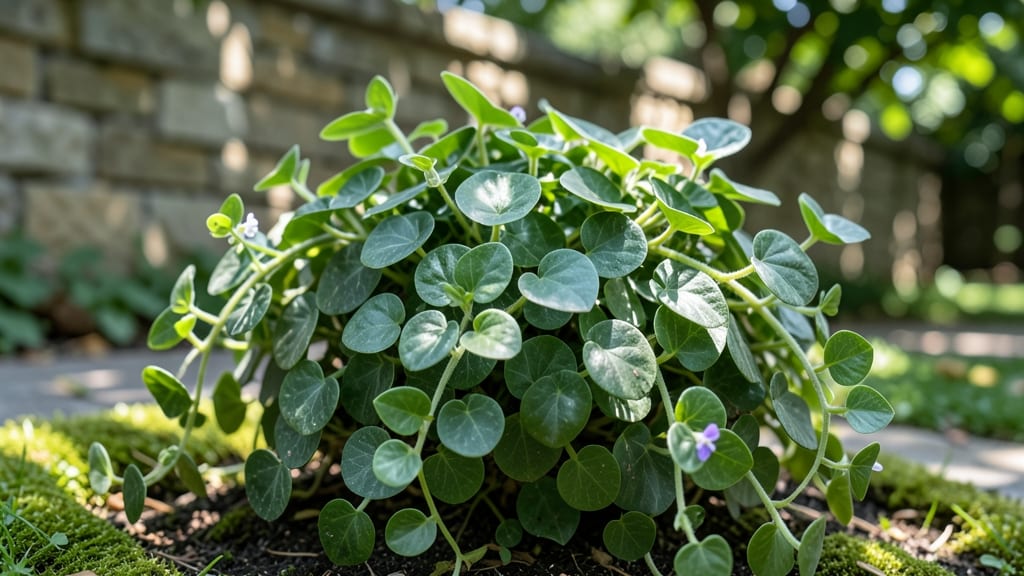
Growing Swedish ivy indoors or outdoors is like having a lush green carpet that thrives in almost any light. 🌿 I’ve turned my dim corner into a thriving vine jungle with just this plant—no fancy setups, no special skills.
The secret lies in its adaptability, whether you’re hanging it near a window or letting it spill over a patio edge.
This plant handles neglect better than most—low light, infrequent watering, and minimal fuss. My Swedish ivy has survived under fluorescent lights, in bright indirect sunlight, and even in a shady patio nook.
The key is well-draining soil and occasional pruning to keep it bushy. It’s the perfect plant for busy gardeners or anyone with less-than-ideal growing conditions.
By summer’s end, you’ll have a trailing cascade of glossy leaves that stay vibrant all year. The best part? It’s pet-friendly—unlike many houseplants. Just keep it away from curious cats who might nibble (though it’s non-toxic).
Whether you’re decorating a windowsill or adding greenery to a balcony, this plant delivers effortless beauty.
Start with a small pot, let it trail, and watch it fill gaps—no green thumb required. The only challenge is resisting the urge to overwater. I’ve killed more plants that way than anything else. But Swedish ivy forgives mistakes, making it the ultimate low-maintenance vine for every space.
📚 In This Guide
- What you need
- Instructions
- Tips and common mistakes
- Wrapping up and next steps
What you need
- ● Swedish Ivy Plant: 1 healthy cutting (4–6 inches long) or a potted plant (4–6 inches in diameter)
- ● Tip: Look for vibrant green leaves with no brown spots!
- ● Growing Containers: 1–2 drainage holes (required for both indoor and outdoor pots)
- ● Size: 6–8 inches in diameter (for a single plant) or 10+ inches (for multiple plants)
- ● Material: Terracotta, ceramic, or plastic (terracotta helps prevent root rot)
- ● Potting Mix: 1 bag well-draining potting soil (mix with 20–30% perlite or orchid bark for aeration)
- ● Pro Tip: Avoid heavy garden soil—it retains too much moisture!
- ● Tools: 1 pair pruning shears (sterilized with rubbing alcohol)
- ● 1 spoon or small trowel (for transplanting)
- ○ 1 misting bottle (optional but helpful for humidity control)
- ● Location: Partial shade to bright indirect light (e.g., under a tree or on a shaded patio)
- ● Avoid direct afternoon sun (can scorch leaves)
- ● Seasonal Care: In winter, move pots to a sheltered spot (if temps drop below 40°F)
- ○ 1 layer of mulch (optional, to protect roots in cold climates)
- ● Light Source: Low to bright indirect light (e.g., near an east- or north-facing window)
- ○ Grow lights (optional): LED or fluorescent (5000–6500K) for 6–8 hours/day if natural light is limited
- ○ Humidity Boosters (Optional): 1 pebble tray with water
- ● 1 humidifier (if your home is very dry)
How to grow Swedish ivy indoors or outdoors with ease
This resilient vine thrives almost anywhere—here's how to coax its lush growth all year long.
🌱 Step 1: Choose Your Planting Location
Swedish ivy adapts beautifully to both indoor and outdoor spaces. For outdoor planting, select a spot with partial shade—morning sun is ideal, while harsh afternoon rays can scorch delicate leaves. I always test the area first by placing the plant there for a few hours; if leaves show no stress after 24 hours, it's a good fit.
Indoors, place your Swedish ivy near a north- or east-facing window where it receives bright, indirect light. If you notice leaves stretching toward the light or turning pale, move it closer to the window. A grow light works well too—just position it 12-18 inches away and keep it on for 12-14 hours daily.
🪴 Step 2: Prepare the Soil and Pot
Swedish ivy prefers well-draining soil that stays slightly moist but never soggy. Mix 2 parts potting soil with 1 part perlite or sand to improve aeration. For outdoor planting, amend garden soil with compost to enrich it without compacting the roots. I like to add a handful of orchid bark for extra drainage—this plant hates wet feet.
Use a container with drainage holes if growing indoors, and ensure it’s at least 6 inches deep for mature vines. For outdoor beds, space plants 12-18 inches apart to allow their trailing stems room to spread. If repotting, choose a pot 2-3 inches wider than the current one—just enough to encourage root growth without overwhelming the plant.
☀️ Step 3: Water and Fertilize for Healthy Growth
Water your Swedish ivy when the top inch of soil feels dry to the touch. Stick your finger in the soil—if it’s damp, wait another day. Overwatering is the fastest way to kill this plant, so always check before adding more moisture. I water mine every 5-7 days in summer and every 10-14 days in winter, adjusting based on humidity levels in my home.
Feed with a balanced liquid fertilizer (10-10-10) once a month during spring and summer. Cut back to every 6-8 weeks in fall and winter when growth slows. You’ll notice new leaves emerging within a week of fertilizing—that’s your signal everything is working. If leaves yellow or drop, you’re likely overwatering or over-fertilizing.
✂️ Step 4: Prune and Train for Bushier Vines
Pruning encourages fuller growth and prevents leggy stems. Pinch back the tips of new growth in early spring to promote branching. I use clean, sharp scissors to trim just above a leaf node—this is where new shoots will sprout. For outdoor plants, prune after flowering to keep vines tidy and encourage more foliage.
Train vines to climb or trail by gently tying them to a trellis, wall hook, or hanging basket. Swedish ivy grows 6-12 inches per year, so regular pruning keeps it manageable. If a vine looks sparse, cut it back by one-third in late winter—this jumpstarts fresh growth when spring arrives. Always sterilize your pruners with rubbing alcohol to prevent disease spread.
🌿 Step 5: Monitor for Pests and Adjust Care
Swedish ivy is generally pest-resistant, but spider mites and mealybugs can appear if the air is too dry. Wipe leaves with a damp cloth weekly to remove dust and deter pests. If you spot tiny webs or cottony clusters, treat with neem oil or insecticidal soap—spray in the evening to avoid burning leaves in direct sunlight.
Watch for leaf drop in winter—a normal response to lower light. If it happens indoors, move the plant to a warmer spot (ideal temperature is 60-75°F). Outdoor plants may need light winter protection in colder climates, like wrapping the pot in burlap or moving it to a sheltered porch. With minimal adjustments, your Swedish ivy will stay lush and vibrant year-round.
Tips & tricks for perfect Swedish ivy growth
Between us, Swedish ivy is one of those plants that rewards patience with minimal effort. Here’s how to turn that patience into a thriving vine every time.
Light Testing Trick: The 24-hour test for outdoor placement is your best friend. I’ve seen people skip this and end up with sunburned leaves that take weeks to recover. Place your plant in the spot for a full day first—if leaves look crispy or yellow after 24 hours, move it to a shadier area. Morning sun is ideal because it’s gentle, while afternoon rays pack enough heat to damage those delicate leaves.
Soil Mix Secret: That 2 parts potting soil to 1 part perlite ratio makes all the difference. I’ve found that adding a handful of orchid bark (about ¼ cup) to the mix gives even better drainage without compacting the roots. This prevents the dreaded "wet feet" that can rot roots overnight. If you’re using garden soil outdoors, mix in compost but avoid heavy clay—it can suffocate the roots.
Watering Hack: The finger test is non-negotiable. I’ve ruined more plants than I’d like to admit by guessing when they needed water. Stick your finger about an inch deep—if it comes out dry, water thoroughly. If it’s damp, wait another day. In summer, I set a reminder every 5-7 days, but in winter, I space it to every 10-14 days. Overwatering is the silent killer of Swedish ivy, so err on the side of caution.
Pruning Timing: That late-winter one-third trim is a game-changer. I do it in February, just before spring growth kicks in. Cutting back by a third might sound drastic, but it forces the plant to put energy into new shoots rather than maintaining old ones. Sterilize your scissors with rubbing alcohol first—it’s a small step that prevents fungal infections from spreading.
Pro Tips for Swedish Ivy Indoor Or Outdoor
- Between us, Swedish ivy is one of those plants that rewards patience with minimal effort.
- Light Testing Trick: The 24-hour test for outdoor placement is your best friend.
- Soil Mix Secret: That 2 parts potting soil to 1 part perlite ratio makes all the difference.
Frequently asked questions
Can Swedish ivy survive indoors year-round with just artificial light?
Yes! Swedish ivy thrives under fluorescent or LED grow lights (6–8 hours daily) since it tolerates low light. Place it 6–12 inches from the bulb for best results. Rotate the pot weekly to prevent lopsided growth. Pro tip: A simple LED desk lamp (like a full-spectrum bulb) works wonders for small setups!
How do I transition Swedish ivy from outdoor to indoor (or vice versa) without shock?
Gradual acclimation is key! Over 7–10 days, move the plant to a shaded spot near its new location (indoor: bright indirect light; outdoor: partial shade). Avoid direct sun or drafts during this time. Water lightly to reduce stress. Outdoor-to-indoor? Watch for pests (like spider mites) before bringing it inside.
Why is my Swedish ivy’s growth slowing down or turning yellow?
Yellow leaves usually signal overwatering or root rot—let the top inch of soil dry out between waterings. Slow growth? It might need more light or fertilizer (use a balanced liquid feed every 4–6 weeks in spring/summer). Brown tips? Low humidity—mist leaves or place a pebble tray nearby.
Is Swedish ivy pet-safe, and what’s a good alternative if I have cats/dogs?
Nope—Swedish ivy is toxic to pets if ingested (can cause drooling, vomiting). For pet owners, try non-toxic vines like:
- String of Hearts (Ceropegia woodii) – Safe and trailing!
- Boston Fern (Nephrolepis exaltata) – Pet-friendly and lush.
- Parlor Palm (Chamaedorea elegans) – Low-light tolerant.
Can Swedish ivy handle winter outdoors in cold climates?
Not without protection! Swedish ivy is tender perennials (USDA zones 10–11). In colder areas, grow it as an annual or bring pots indoors before temps drop below 40°F (4°C). For outdoor winter interest, mulch heavily or cover with frost cloth. Bonus: Prune leggy growth in early spring to encourage bushier regrowth!
Wrapping up and next steps
Swedish ivy is a versatile, low-maintenance plant that thrives both indoors and outdoors, making it perfect for busy plant lovers or beginners! Whether you’re brightening up a dim corner or adding greenery to your patio, its minimal light needs and hardy nature make it a winner.
With the right care—like proper watering, occasional pruning, and the occasional nutrient boost—you’ll enjoy lush, trailing vines year-round.
Ready to grow your own? Start small—pick a pot, grab some Swedish ivy, and let nature do the rest! 🌿✨ Your space (and future plant babies) will thank you!